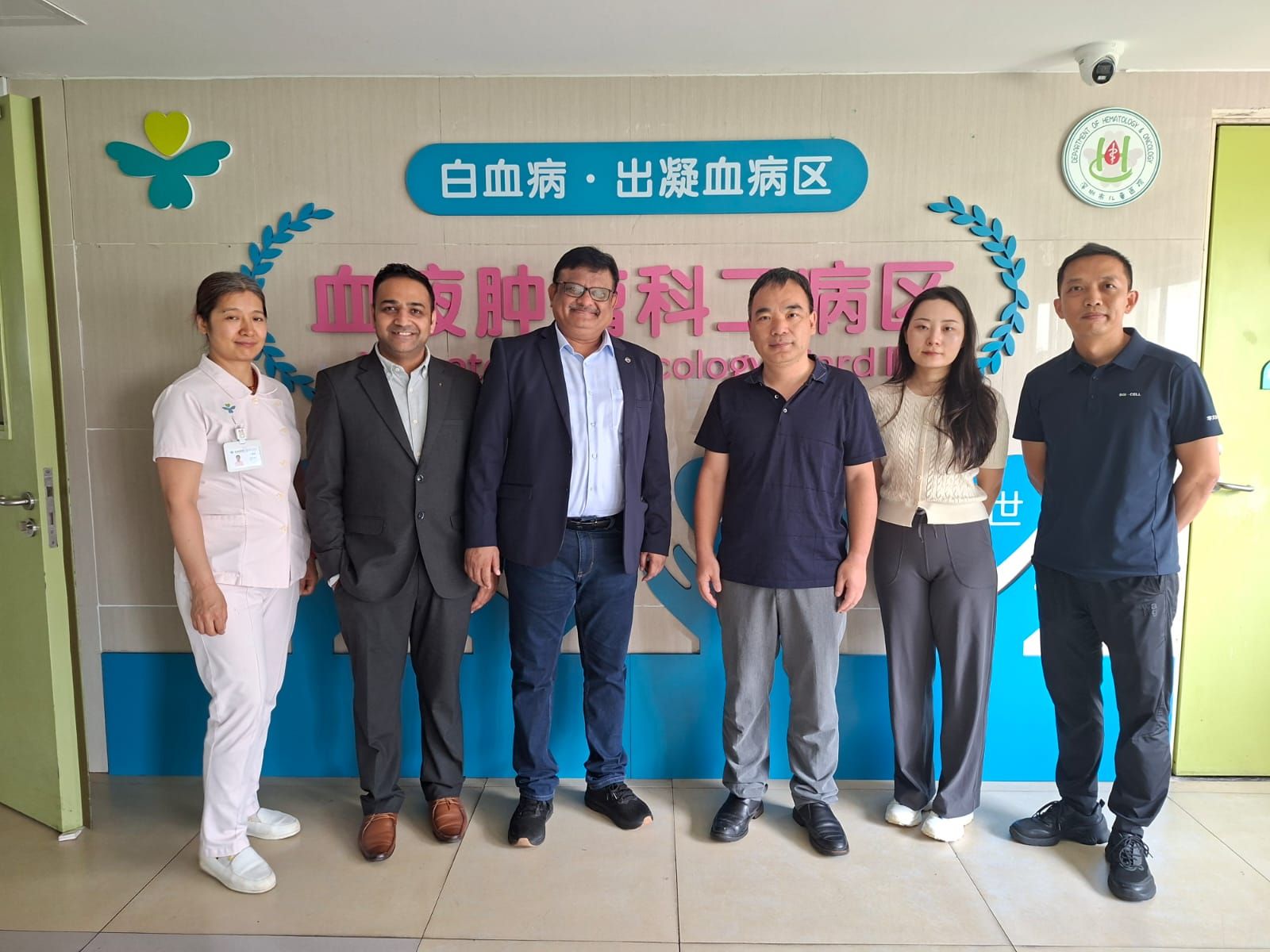
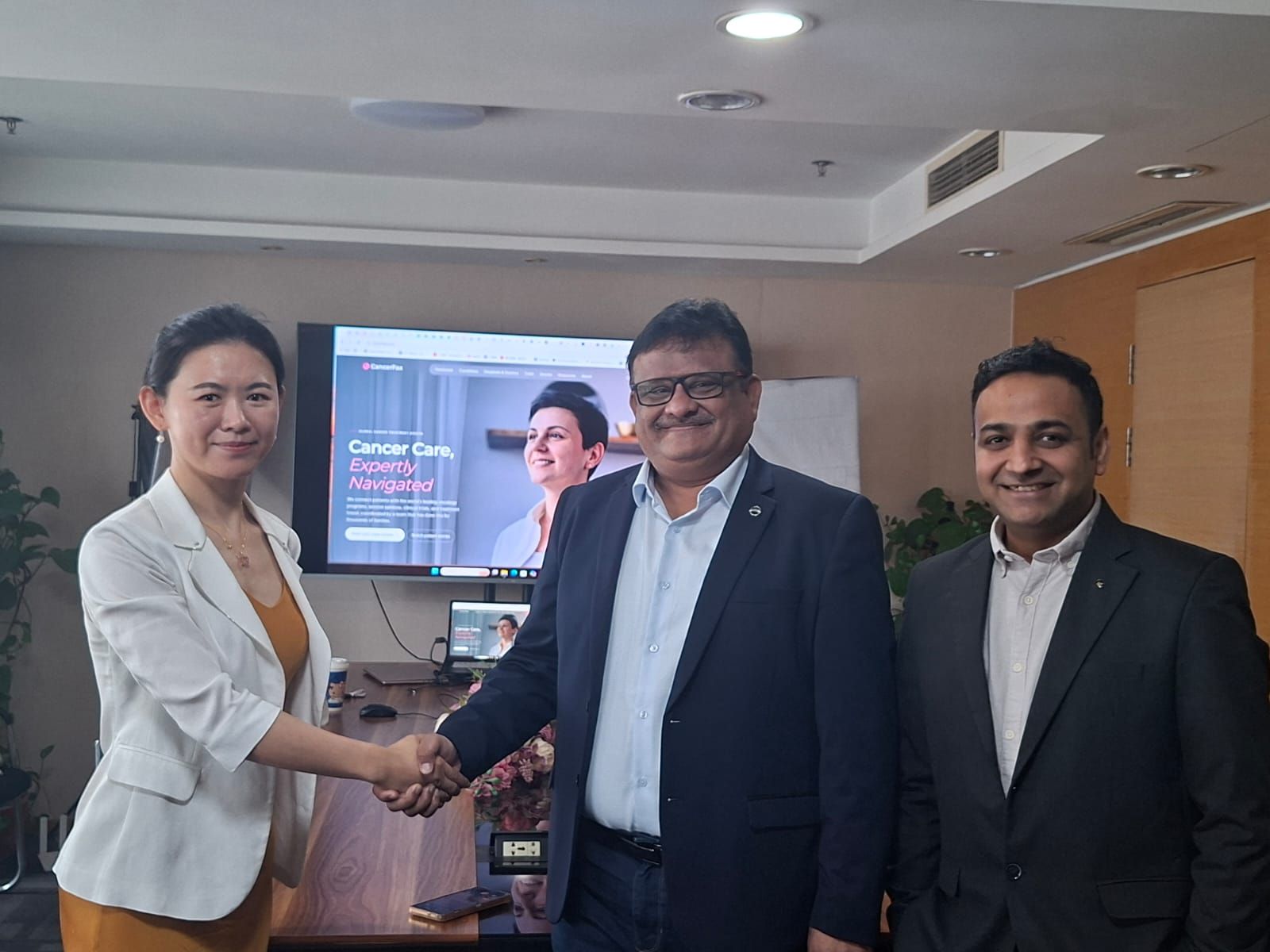
VectorGene Biotech, Parent of CancerFax, Partners with the Chinese National Human Genome Center, Beijing
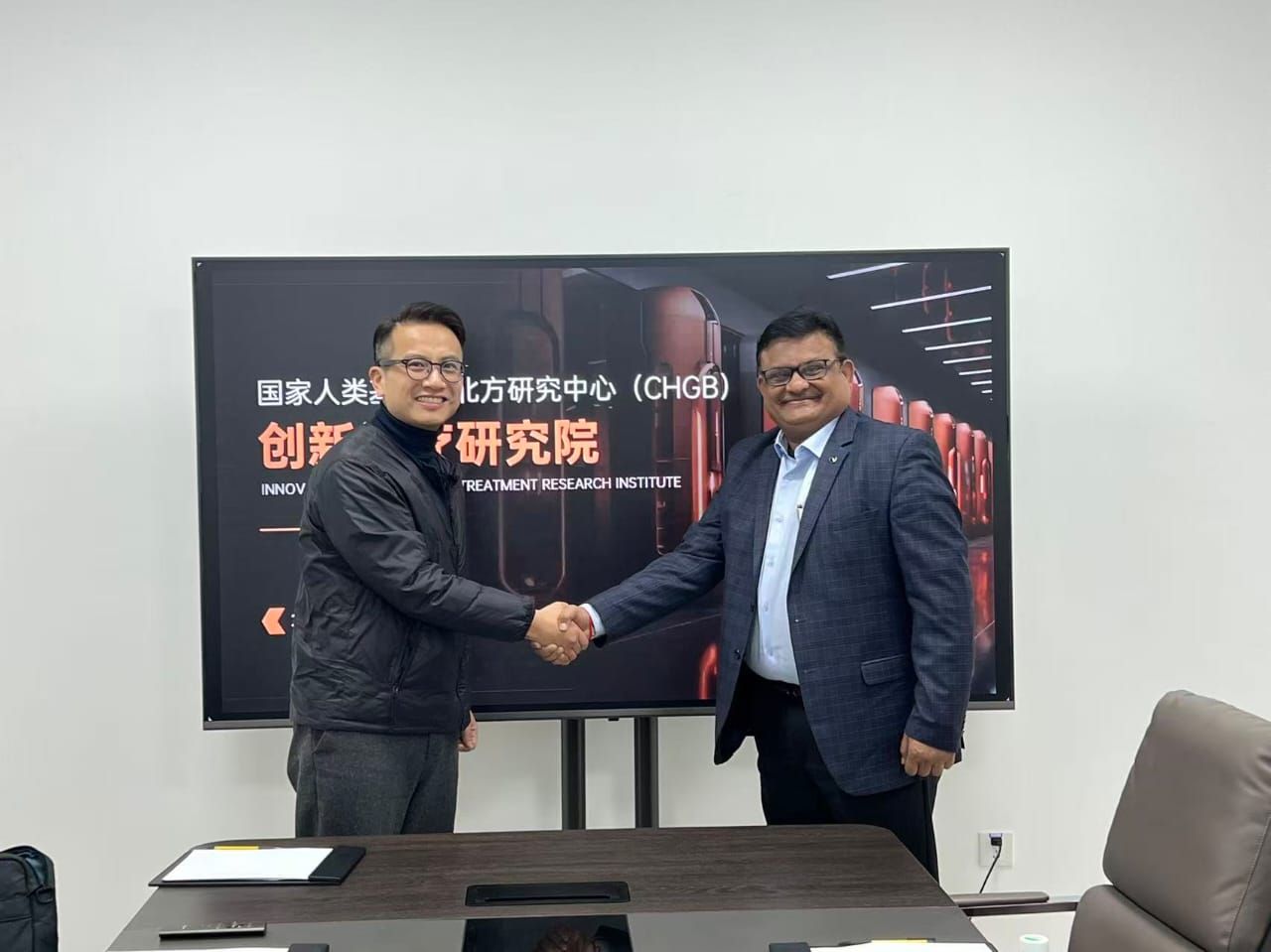
VectorGene Biotech, Parent Company of CancerFax, Partners with the Chinese National Human Genome Center, Beijing
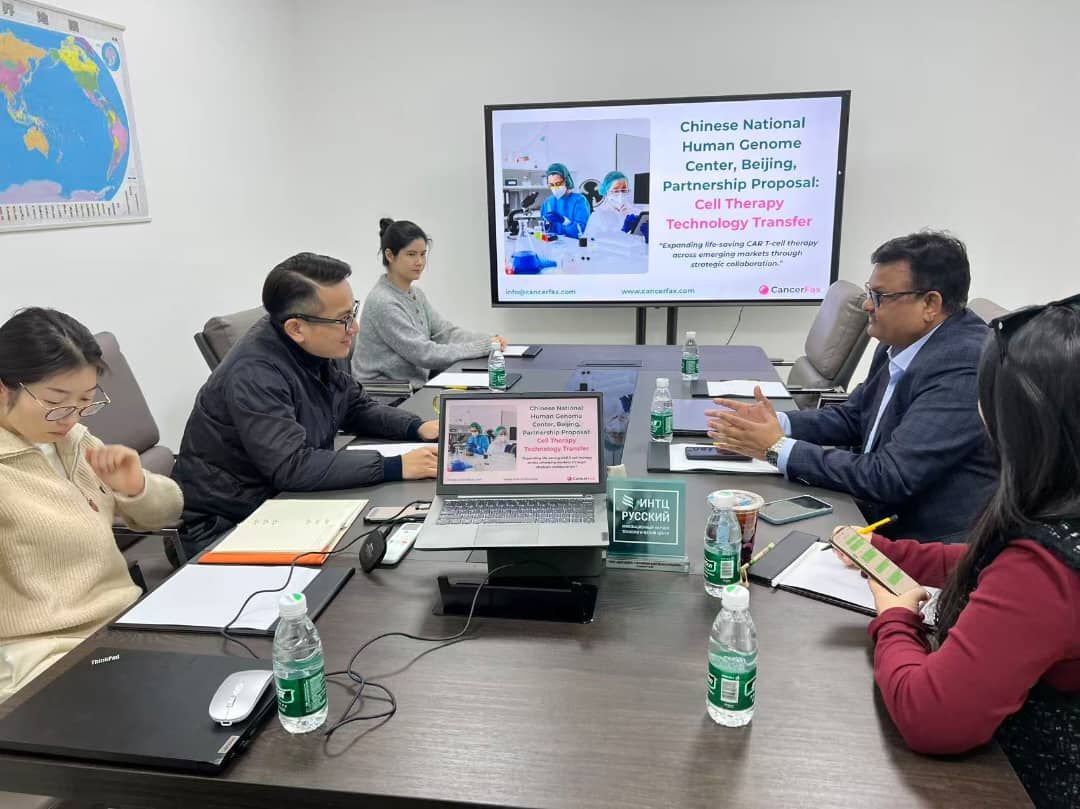
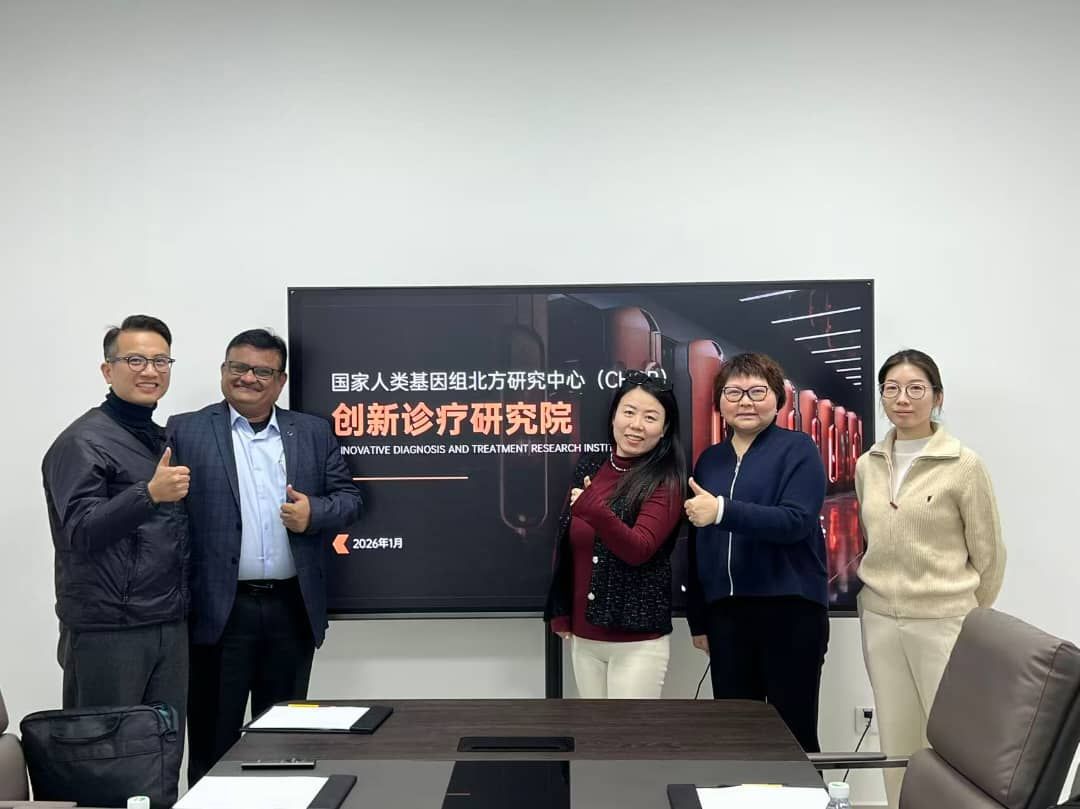
VectorGene Biotech Limited, the Hong Kong based parent company of CancerFax, has entered into a collaboration with the Chinese National Human Genome Center, Beijing (CHGB) and its translational arm, the Innovative Diagnosis and Treatment Research Institute (IDTRI).
Under this collaboration, VectorGene and CancerFax will support CHGB and IDTRI in taking their technology transfer programs, professional training, and laboratory and clinical service products to hospitals, research institutions, and healthcare partners outside China. The goal is simple. Advanced genomic, diagnostic, and cell therapy capabilities that have been built and validated in China should be easier for serious clinical and research partners around the world to access, evaluate, and adopt responsibly.
This update explains who CHGB and IDTRI are, what they offer, and how CancerFax and VectorGene fit into the picture for international partners and patients.
What This Collaboration Covers
CHGB is one of China's national genome research bases, with decades of work in genomics, molecular diagnostics, and translational research. IDTRI is the institute it created to move that research into real clinical and industrial use, organized around three tasks: achievement transformation, technology transfer, and industrial implementation.
VectorGene Biotech and CancerFax will act as the international commercialization and outreach partner for these programs. In practice this means helping qualified hospitals, diagnostic laboratories, biotechnology companies, and research centers outside China explore three things:
- Technology transfer of validated platforms in genomics, molecular diagnostics, and cell and gene therapy
- Training and capacity building for laboratory teams, clinical researchers, and technical staff
- Service products, including next generation sequencing (NGS), early cancer detection, pathogen detection, immune profiling, organoid based drug screening, and advanced cellular therapy preparation
VectorGene is positioned as a biotechnology and technology transfer company, not a treatment provider. CancerFax continues in its established role as a patient navigation and advanced cancer treatment access platform.
About the Chinese National Human Genome Center, Beijing (CHGB)
CHGB was established in 1998 with approval from China's Ministry of Science and Technology, as a national base for human genome research. It was organized with the involvement of leading scientific institutions, including Peking Union Medical College Hospital, Peking University, the Chinese Academy of Medical Sciences, the Chinese Academy of Sciences, and the Academy of Military Medical Sciences, under the oversight of the Beijing Municipal Science and Technology Commission.
In 1999, CHGB joined the international Human Genome Project, contributing to China's part of the global sequencing effort. Its founding scientific leadership included senior academicians who served on national science programs and took part in that international sequencing work.
Over the years CHGB has built a strong research and quality record:
- More than one hundred national and Beijing level key research projects across genomics, cell biology, proteomics, microbiomics, gene function, and drug development
- More than two hundred domestic and international patent applications
- A substantial body of peer reviewed publications in international journals
- National and academic science and technology awards
CHGB has also developed formal laboratory accreditations and biosafety capabilities over time, and in 2024 it established IDTRI as a dedicated achievement transformation and technology transfer platform, alongside a regional cell and gene therapy proof of concept platform.
Note for review: the historical details above are drawn from the IDTRI introduction deck and should be confirmed against CHGB's own official materials and current accreditation certificates before publication.
About the Innovative Diagnosis and Treatment Research Institute (IDTRI)
IDTRI was created to connect CHGB's research with clinical institutions, universities, and industry, and to help move scientific results into practical use. Its stated mission is to become an integrated research, education, industry, and application platform that is based in Beijing, works across China, and aims for international relevance.
IDTRI's functions include strategic planning, scientific research and technology innovation, talent development and research team building, multi platform development and transfer of results, technical consulting and services, bioinformatics data management and security, standards research, key project organization, and international exchange and cooperation.
To support this work, IDTRI operates a network of specialized laboratory modules, which include:
- Central clinical and molecular testing laboratories in Beijing and Hefei
- Cell therapy laboratories and biobanks in Beijing, Jinan, and Fuzhou, including organoid capabilities
- Microecology and gut microbiome laboratories
- A drug research and development and proof of concept laboratory with molecular, GMP like cell, and animal study capabilities
- A regenerative medicine and rehabilitation research laboratory, medical device laboratories, and a GMP production workshop with a design and innovation center
The CHGB and IDTRI Service and Technology Portfolio
The following is an overview of the service and technology products that CHGB and IDTRI offer. CancerFax and VectorGene will help present these to international partners. Many of these are advanced or investigational and are intended for use within appropriate clinical, research, or regulatory settings. Availability, approval status, and suitability differ by country and must be reviewed locally.
Cancer Genomic and Molecular Testing (NGS)
- More than one thousand tumor related genetic tests that assess treatment relevant targets, including markers for targeted therapy, immunotherapy, and chemotherapy
- Analysis of genomic variations, microsatellite instability (MSI), tumor mutational burden (TMB), and HLA typing
- Comprehensive molecular profiling to support precision oncology decisions made by treating specialists
Early Cancer Detection
- Blood based gene methylation testing for early cancer detection, reported in the source materials to offer sensitivity several times higher than traditional tumor markers, with applications in lung, thyroid, liver, colorectal, gastric, and esophageal cancer
- VEGF based detection technology used across the cancer care pathway, from screening to treatment response evaluation and recurrence monitoring
Hereditary Disease and Reproductive Genomics
- More than one thousand disease specific panels for birth defect prevention and genetic disorder diagnosis
- Premarital and preconception screening, carrier screening, preimplantation genetic diagnosis (PGD), prenatal diagnosis including noninvasive testing, and newborn genetic screening
- Pre symptomatic, polygenic risk, and common disease testing, with a focus on building genetic counseling capacity
Pathogen and Infection Detection
- Metagenomic next generation sequencing (mNGS) and targeted next generation sequencing (tNGS) for infectious disease diagnosis
- Broad pathogen coverage across bacteria, fungi, DNA and RNA viruses, parasites, and antimicrobial resistance genes
- Nanopore based metagenomic and targeted detection panels
Cell and Gene Therapy and Advanced Cellular Therapies
This is a core area of CHGB and IDTRI capability, supported by a dedicated cell and gene therapy proof of concept platform and GMP like preparation facilities. Capabilities include the preparation of:
- Immune cell therapies, including Chimeric Antigen Receptor T cell (CAR-T) therapy, Tumor Infiltrating Lymphocytes (TIL), Cytokine Induced Killer (CIK) cells, DC-CIK, Natural Killer (NK) cells, gamma delta T cells, and NKT cells
- Stem cells, including human umbilical cord mesenchymal stem cells (hUC-MSCs), amniotic stem cells, vascular endothelial cells, neural stem cells, adipose derived stem cells, and fibroblasts
- Cellular derivatives, including stem cell and immune cell exosomes
IDTRI has run clinical research collaborations with hospitals in China on CAR-T cell therapy for relapsed or refractory blood cancers, and has supported partner laboratories in producing cells such as MSCs, DC, CIK, TIL, NK, and DC-CIK for clinical research use. These remain research and clinical research activities. CAR-T, TIL, CIK, and NK cell therapies are not approved for every cancer type, every country, or every patient, and patient eligibility always depends on specialist evaluation.
Organoid Models and Drug Screening
- Patient relevant organoid models and databases across kidney, liver, lung, colorectal, gastric, breast, and esophageal cancers
- Screening capabilities for more than one hundred targeted drugs, supporting research into treatment selection
Microbiome, FMT, and Probiotics
- Gut microbiome analysis using 16S rRNA and metagenomic sequencing across more than two hundred assessment items
- Functional probiotic product development based on specific bacterial strains
- Fecal microbiota transplantation (FMT) products, where clinically appropriate and guideline supported
Immune Profiling, Neurological Biomarkers, and Health Risk Assessment
- Detailed immune cell subpopulation assessment covering T cells, NK cells, gamma delta T cells, and B cells
- Mass spectrometry based early screening biomarkers for Alzheimer's disease, including the Abeta1-42 to Abeta1-40 ratio and p-tau217
- Broad health risk and wellness assessment panels, including cancer risk, metabolic, cardiovascular, autoimmune, and age related risk assessments
Technology Transfer, Training, and Clinical Research Collaboration
For international hospitals, laboratories, and biotech partners, the most distinctive offering is the ability to transfer and localize these capabilities. CHGB and IDTRI have a track record of helping partner institutions in China build innovative diagnosis and treatment centers, set up laboratories, establish quality systems, and train technical and clinical teams. This is the program CancerFax and VectorGene will help extend to qualified partners outside China.
The Role of VectorGene Biotech and CancerFax
VectorGene Biotech Limited will lead the biotechnology and technology transfer side of the relationship. This includes international outreach, partner identification, structuring of technology transfer and training engagements, and support for cross border collaboration and commercialization.
CancerFax brings its experience in advanced oncology access and cross border coordination, especially along the China corridor. CancerFax can help patients and referring doctors understand which of these advanced diagnostics and therapies may be relevant to a specific case, and how access works through proper medical review.
Neither VectorGene nor CancerFax provides treatment directly. Their role is to connect, coordinate, and support, while clinical decisions stay with qualified specialists and the institutions delivering care.
Who Can Benefit
This collaboration is designed to be useful to several groups:
- Hospitals and laboratories that want to introduce advanced NGS, early cancer detection, pathogen detection, or cell therapy preparation capabilities through technology transfer and training
- Biotechnology companies and research centers exploring partnerships, platforms, or co development in genomics and cell and gene therapy
- Doctors and oncology teams looking for advanced molecular profiling or research informed treatment options for complex cases
Patients and families, especially those with relapsed, refractory, or hard to treat cancers, who may benefit from advanced diagnostics or international evaluation when local options are limited
What This Means for Patients
For patients, the practical value is access. Advanced testing such as comprehensive tumor NGS, methylation based early detection, and immune profiling can give a clearer picture of a specific cancer. Advanced cellular therapies and clinical research programs may offer additional options for some patients when standard treatment has stopped working.
These are possibilities to be evaluated, not guarantees. The right pathway depends on the cancer type, stage, biomarkers, prior treatment, overall health, and specialist review. CancerFax can help patients and families gather the right information, arrange case review, and understand what is realistic for their situation.
Conclusion
This collaboration brings together a national genome research center with deep scientific credentials, a translational institute built specifically to move that science into practice, and an international partner in VectorGene and CancerFax that understands both the biotechnology and the patient side of advanced cancer care.
For partners outside China, it opens a structured path to evaluate and adopt advanced genomic and cell therapy capabilities. For patients, it strengthens CancerFax's ability to help people explore advanced options with honesty and care. The work ahead is to do this responsibly, with proper review at every step.
Frequently Asked Questions
What is the Chinese National Human Genome Center, Beijing? It is one of China's national genome research bases, established in 1998 with approval from the Ministry of Science and Technology. It works in genomics, molecular diagnostics, and translational research, and created IDTRI to move research results into clinical and industrial use.
What is VectorGene Biotech's role in this collaboration? VectorGene Biotech, the parent company of CancerFax, will help CHGB and IDTRI bring their technology transfer programs, training, and service products to qualified partners outside China. VectorGene is a biotechnology and technology transfer company, not a treatment provider.
Which cancer related services are part of this? The portfolio includes tumor NGS and molecular profiling, methylation based early cancer detection, advanced cellular therapies such as CAR-T, TIL, CIK, DC-CIK, and NK cells, organoid based drug screening, and immune profiling, among others.
Are these therapies approved and available everywhere? No. Many of these are advanced or investigational, and approval and availability differ by country. Cell therapies such as CAR-T, TIL, CIK, and NK are not suitable for every cancer or every patient, and eligibility depends on specialist evaluation.
Can international patients access these services? In many cases, yes, through proper medical review and coordination. CancerFax can help patients and doctors understand which options may be relevant and how access works.
How can CancerFax help me? CancerFax can review your medical reports, arrange a second opinion with cancer specialists, help identify advanced diagnostic or treatment options, and coordinate cross border care where appropriate.
Work with CancerFax
Patients and caregivers can share their medical reports with CancerFax to explore whether advanced diagnostics, cellular therapies, or clinical research options may be suitable, with guidance from oncology specialists.
Hospitals, laboratories, and biotechnology partners interested in technology transfer, training, or service collaboration can contact VectorGene Biotech and CancerFax to learn more.
Email: [email protected] | WhatsApp / WeChat: +86 182 1759 2149
Sources
- VectorGene Biotech Limited — official site
- Chinese National Human Genome Center, Beijing (CHGB) — official site
- ClinicalTrials.gov — CAR-T and cell therapy trials in China
- National Medical Products Administration (NMPA), China
- U.S. FDA — Cellular and Gene Therapy Products
Disclaimer
This information is for educational purposes only and should not be considered medical advice. Cancer treatment decisions must be made after consultation with a qualified oncology specialist. Several of the technologies and therapies described are advanced or investigational, and their approval status, availability, and suitability vary by country and by individual patient.