
TUMOR TREATING FIELDS THERAPY FOR
GLIOBLASTOMA & SELECT ADVANCED CANCERS
A non-invasive, wearable device that delivers low-intensity alternating electric fields to disrupt cancer cell division. Phase III evidence in glioblastoma; whole-life device cost of approximately $75,000 USD in China.
analyticsAt a Glance
- check_circleLow-intensity alternating electric fields disrupt cancer cell division
- check_circleFDA approved for glioblastoma and malignant pleural mesothelioma
- check_circleWorn as a wearable device — compatible with chemotherapy and daily activities
- check_circleContinuous use (>18 hours/day) correlates with improved outcomes in GBM
What Is Tumor Treating Fields Therapy?
TTFields therapy is a device-based cancer treatment that uses low-intensity alternating electric fields delivered through adhesive arrays on the skin to interfere with how cancer cells divide. It is most established in glioblastoma, where it is used alongside surgery, radiotherapy, and temozolomide.
“TTF does not burn, cut, or poison cancer cells — it creates an electrical environment that disrupts cancer cell division while sparing non-dividing healthy cells.”
Tumor Treating Fields therapy, abbreviated as TTF or TTFields, is a relatively new device-based cancer treatment. It uses low-intensity, alternating electric fields delivered through adhesive pads on the skin to interfere with how cancer cells divide. Unlike surgery, radiotherapy, or chemotherapy, TTF does not cut tissue, deliver radiation, or release chemical drugs into the body. Patients wear a portable device that runs throughout most of the day and night.
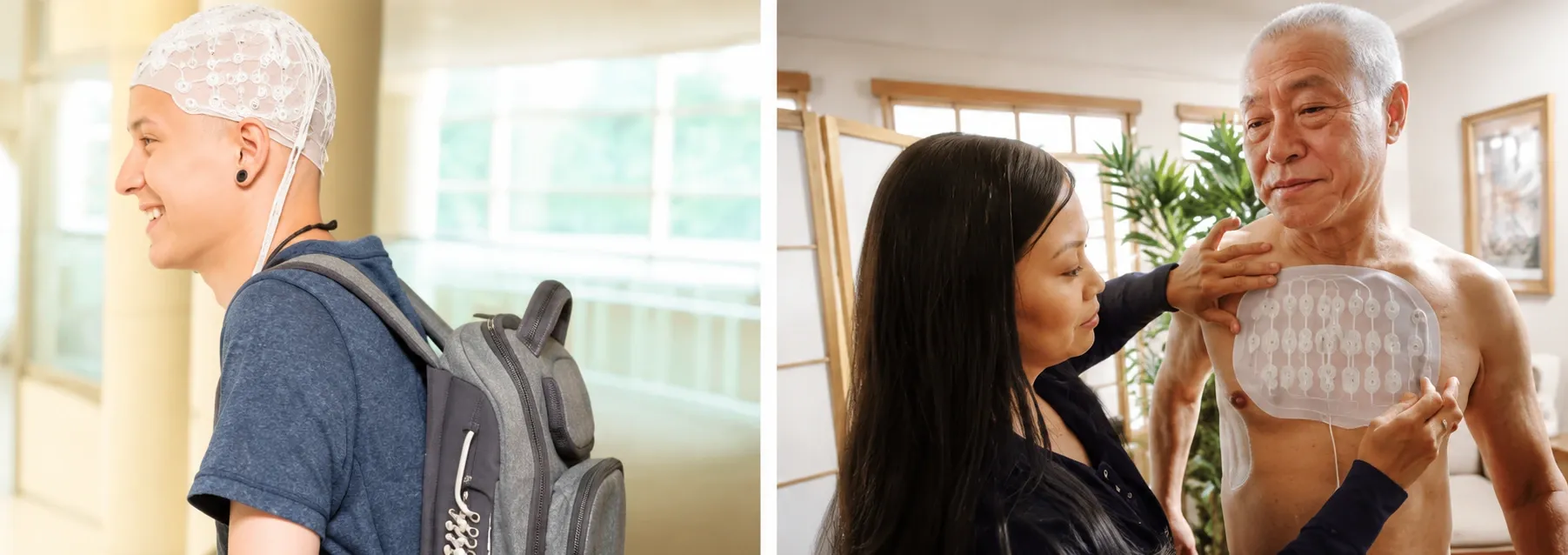
TTF is best understood as a complementary therapy that fits into a broader treatment plan. In most cases it is used after surgery and radiotherapy and alongside oral chemotherapy such as temozolomide. It is not a stand-alone cure. For patients with glioblastoma, the most aggressive form of primary brain cancer, TTF is one of the few innovations in the last decade with positive Phase III evidence and global regulatory approval.
A Complementary Therapy, Not a Cure
TTF fits into a broader treatment plan. In glioblastoma it is added after surgery and radiotherapy, alongside oral chemotherapy. Realistic goal: extend survival and disease control in selected patients.
Class III Medical Device
The device is portable and worn for 18+ hours per day. Patients can sleep, work, walk, and travel with it. Globally associated with the Optune brand from Novocure.
How TTF Compares With Other Cancer Treatments
TTF works through a fundamentally different mechanism from surgery, radiotherapy, or chemotherapy. The comparison below shows where each fits.
| Treatment | How It Works | Common Use | Main Side Effects |
|---|---|---|---|
| Surgery | Physically removes tumor tissue | Initial step in most solid tumors | Wound healing, infection, neurological effects |
| Radiotherapy | High-energy beams damage tumor DNA | Locoregional control after surgery | Fatigue, skin reaction, brain swelling |
| Chemotherapy | Drugs kill rapidly dividing cells | Systemic, often combined with other treatments | Nausea, hair loss, low blood counts, infection |
| TTF Therapy | Alternating electric fields disrupt cell division | Maintenance after surgery + radiotherapy | Scalp irritation, daily wear-time burden |
How TTF Therapy Works at the Cellular Level
The device delivers alternating electric fields at a tuned frequency (around 200 kHz for brain tumors) through four transducer arrays placed on the scalp. The fields disrupt mitosis in actively dividing tumor cells.
- 1
Field Tuning by Tumor Type
Frequency tuned to the target tumor — around 200 kHz for glioblastoma; different frequencies for mesothelioma and NSCLC.
- 2
Microtubule Disruption
Polar protein subunits in dividing cells respond to the fields, preventing proper assembly of the mitotic machinery.
- 3
Abnormal Division and Cell Death
Cancer cells fail to complete division or divide abnormally and die. Non-dividing healthy cells are largely unaffected.
- 4
Acts Beyond the Blood-Brain Barrier
Unlike systemic drugs, electric fields act on residual tumor cells throughout a defined brain region regardless of the blood-brain barrier.
- 5
Possible Additional Effects
Research suggests effects on membrane permeability, DNA damage repair, and immune recognition — supporting synergy with chemotherapy and radiotherapy.
- 6
Wearable Device Delivery
Patient wears a soft cap with four arrays connected to a small portable, rechargeable device carried in a shoulder bag or backpack.
- 7
Continuous Daily Use
18+ hours per day for best results. Patients can sleep, work, walk, read, and travel with the device on.
- 8
Array Replacement and Scalp Care
Arrays replaced every few days; scalp re-shaved at the same intervals for good contact. Patient and caregiver are trained for both.
Approved & Investigational Indications
TTF is most established in glioblastoma. Approval has been extended to other indications in selected jurisdictions; several other cancers are under active study.
| Indication | Status | Pivotal Evidence |
|---|---|---|
| Newly diagnosed glioblastoma | Approved (combined with temozolomide) | EF-14 Phase III: median OS 20.9 vs 16.0 mo |
| Recurrent glioblastoma | Approved (monotherapy or combined) | EF-11: similar OS to chemo, better quality of life |
| Pleural mesothelioma | Approved in selected jurisdictions (2019) | STELLAR with pemetrexed + platinum |
| Metastatic NSCLC after platinum | Approved in selected jurisdictions (2024) | LUNAR Phase III: improved OS vs standard alone |
| Brain metastases from NSCLC | Investigational | METIS after stereotactic radiosurgery |
| Pancreatic cancer | Investigational | Phase II/III trials with standard chemotherapy |
| Ovarian cancer (recurrent) | Investigational | Clinical trial data emerging |
EF-14 Trial: TTF + Temozolomide vs Temozolomide Alone
The pivotal EF-14 Phase III trial in newly diagnosed glioblastoma compared maintenance temozolomide alone with maintenance temozolomide combined with TTF. Outcomes shown are modified intent-to-treat.
Median Overall Survival (months)
Median OS benefit of ~5 months; difference statistically significant
5-Year Overall Survival
2-Year Overall Survival
Key Numbers at a Glance
The headline figures most relevant to glioblastoma patients and families.
- 20.9 moMedian OS (TTF + TMZ)EF-14 trial, newly diagnosed glioblastoma.
- 13%5-Year SurvivalTTF + temozolomide vs ~5% with temozolomide alone.
- ≥18 hrsDaily Wear TimeThreshold most strongly associated with benefit.
- 60,000 RMBWhole-Life Device Cost in ChinaOne-time fee; hospital + accessories billed separately.
Key Clinical Trials Supporting TTF Therapy
Pivotal studies that shaped current practice. Trial results describe population averages, not guaranteed outcomes for individual patients.
| Trial | Setting | Key Finding |
|---|---|---|
| EF-11 | Recurrent glioblastoma | TTF monotherapy similar OS to physician's choice chemo, better quality of life. Supported 2011 approval. |
| EF-14 | Newly diagnosed glioblastoma | TTF + TMZ: median OS 20.9 vs 16.0 mo; 5-yr OS ~13% vs ~5%. |
| STELLAR | Pleural mesothelioma | TTF with pemetrexed + platinum: encouraging OS supporting approval. |
| LUNAR | Metastatic NSCLC after platinum failure | TTF added to standard therapy improved OS; new approvals in selected jurisdictions. |
| METIS | Brain metastases from NSCLC | TTF after SRS delayed intracranial progression. |
Cost of TTF Therapy in China: Whole-Life Device Model
China uses a one-time, whole-life device cost of approximately $75,000 USD. Hospital fees, imaging, medicines, and accessories are quoted separately and up front so families can plan accurately.
| Cost Item | Included or Separate | Notes |
|---|---|---|
| TTF device (whole-life use) | Included in 75,000 USD | One-time payment, no recurring rental |
| Transducer arrays (consumables) | Separate | Replaced every few days during active treatment |
| Hospital consultation and admission | Separate | Quoted by the treating centre |
| MRI and follow-up imaging | Separate | Required before and during therapy |
| Temozolomide and other medicines | Separate | Depends on regimen and duration |
| Travel, accommodation, interpreter | Separate | CancerFax can help estimate |
| Follow-up scans after return home | Separate | Performed locally, reviewed with treating team |
Who May Be Eligible — and Who May Not
TTF is not appropriate for every patient. Final decisions rest with the treating physician after full case review.
Generally Considered Suitable
- Histologically confirmed glioblastomaOr another diagnosis under specialist review.
- Completed surgery and chemoradiationReady to start or already on maintenance temozolomide.
- Reasonable performance status (KPS ≥ 60)
- Can wear the device ≥18 hours daily
- Family or caregiver support availableFor scalp care, array placement, battery management.
- Healthy or manageable scalp skin
- Realistic understanding of benefit and daily commitment
May Not Be Suitable
- Significant cognitive impairmentPrevents safe daily device management.
- Severe or active scalp skin conditionsPrevent array placement.
- Implanted electrical devices in array areaSpecialist review required.
- Cannot maintain ≥18 hours daily wear time
- Priority on urgent systemic or palliative care
- PregnancyTTF use during pregnancy not adequately studied.
Side Effects and Daily Challenges
Side effects from TTF itself are largely local to the scalp. The bigger challenge is the daily commitment to continuous wear, scalp care, and array replacement.
| Issue | What Patients & Families Should Know |
|---|---|
| Scalp irritation, redness, itching | Most common local effect under the arrays. Managed with skin care and topical creams. |
| Contact dermatitis | May require topical treatment or array repositioning. |
| Skin breakdown | Occasional with long continuous wear. Brief supervised breaks may help. |
| Mild warmth or tingling | Common in first few days; usually settles with time. |
| Scalp shaving every few days | Required for array contact; can feel emotionally heavy initially. |
| Daily wear of ≥18 hours | During sleep, work, travel. Caregiver involvement often needed. |
| Battery and charging routine | Multiple battery packs rotated; charging built into daily life. |
| Visible arrays and cables | Some patients find this socially or emotionally adjusting; support helps. |
TTF in Newly Diagnosed Glioblastoma: Treatment Sequence
TTF enters the picture after surgery and chemoradiation, alongside maintenance temozolomide. Patients may continue for many months or even years.
- 1
Surgery
Maximal safe resection by neurosurgery. Pathology and molecular profile (IDH, MGMT, TERT, EGFR) confirmed.
- 2
Chemoradiation
Daily radiotherapy for ~6 weeks with concurrent oral temozolomide. Family adapts to routine.
- 3
Add TTF
TTF device added to maintenance temozolomide. Training on device, scalp shaving, array placement, daily routine.
- 4
Maintenance Phase
Continued TTF with TMZ cycles. MRI follow-up every 2-3 months; device usage reviewed regularly.
- 5
Long-Term Continuation
TTF continues as long as tolerated and effective. Reassessed at relapse or significant side effect.
Combination Strategies: TTF With Standard and Emerging Treatments
TTF is rarely used alone. The established approach in glioblastoma combines TTF with maintenance temozolomide. Research is exploring combinations with checkpoint inhibitors, targeted therapies, and novel agents.
Established Combinations
TTF + maintenance TMZ in newly diagnosed glioblastoma; TTF + bevacizumab in selected recurrence; TTF after re-irradiation or re-operation; TTF + pemetrexed/platinum in mesothelioma.
Active Research
TTF + PD-1/PD-L1 immune checkpoint inhibitors; TTF + targeted therapies matched to molecular profile. Several Chinese centres run combination studies.
Your TTF Treatment Journey With CancerFax
From first contact to follow-up coordination after return home. Each step is supported by the CancerFax navigation team.
- 1
Share Reports with CancerFax
MRI, histopathology, surgery notes, radiotherapy summary, chemotherapy history. No cost for initial review.
- 2
Medical Record Review
Team reviews reports, identifies gaps, prepares summary for the receiving neuro-oncology team, arranges translations.
- 3
Neuro-Oncology Opinion
Treating centre provides remote opinion on whether TTF is appropriate at this stage, alone or combined.
- 4
Eligibility Confirmation & Plan
Itemised treatment plan and timeline: device cost (60,000 RMB), hospital fees, accessories, travel and accommodation estimate.
- 5
Travel and Arrival
Visa documentation, airport pickup, hotel booking, hospital admission, interpreter support.
- 6
Hospital Appointment & Device Initiation
Patient assessed at hospital. Scalp shaved, arrays placed, device initiated, correct usage confirmed.
- 7
Patient and Caregiver Training
Both trained in array placement, daily routine, battery management, scalp care, signs to monitor.
- 8
Follow-Up and MRI Review
Local MRI follow-up with image review by treating team. Plan adjustments coordinated with home oncologist.
Why China Has Become a Practical TTF Destination
Several factors make China a workable destination for international glioblastoma patients exploring TTF — coordinated multidisciplinary care, predictable pricing, and active trial portfolios.
Coordinated Single-Roof Care
TTF, temozolomide, radiation, neurosurgery, and clinical trials available in the same centre. Mature neuro-oncology programmes experienced with international patients.
Predictable One-Time Pricing
Whole-life device cost of ~60,000 RMB converts an unpredictable recurring expense into a single planned amount, easier for cross-border families to budget.
International Patient Support
English-speaking patient services and CancerFax-supported coordination for South Asian, Middle Eastern, African, and Southeast Asian families.
Active Trial Portfolio
Open glioblastoma combination trials with immunotherapy, targeted therapy, and novel agents. Centres often run trials and standard care side by side.
20 Related CancerFax Support Pages
Explore related guides on glioblastoma, advanced cancer treatments, and your treatment journey in China.
- Glioblastoma (GBM) Treatment in China: Complete Guide
- Advanced Brain Tumor Treatment Options
- Neuro-Oncology Centres in China for International Patients
- Temozolomide (TMZ) Chemotherapy for Glioblastoma
- Stereotactic Radiosurgery and Radiotherapy for Brain Cancer
- Bevacizumab for Recurrent Glioblastoma
- Proton Therapy for Brain Tumors
- Boron Neutron Capture Therapy (BNCT) for Brain Cancer
- Clinical Trials in Cancer: A Patient and Family Guide
- Glioblastoma Clinical Trials in China
- CAR-T Cell Therapy for Solid Tumors
- Tumor Vaccines and Cellular Therapy for Brain Cancer
- Oncolytic Virus Therapy for Brain Tumors
- MGMT Methylation, IDH Status, and Other Glioblastoma Biomarkers
- How to Get a Second Opinion in Cancer Treatment
- Cost of Cancer Treatment in China for International Patients
- Travel and Visa Support for Cancer Treatment in China
- Palliative Care and Supportive Therapy in Brain Cancer
- Caregiver Guide: Supporting a Loved One With Glioblastoma
- CancerFax: How We Help International Cancer Patients
Frequently Asked Patient Questions
Common questions families ask when exploring TTF therapy for glioblastoma or other cancers.
About the Therapy
Cost, Combinations & Access
How CancerFax Helps
CancerFax is a specialist cancer access and patient-navigation platform. We help patients and families understand their options, organise medical records, coordinate hospital communication, and support cross-border treatment planning where appropriate.
We help collect and organise reports, scans, pathology, biomarker results, and treatment history for structured case review.
We communicate with hospitals or trial teams to assess whether a case may be suitable for further screening.
We support appointment coordination, document submission, translation, and direct communication with international departments.
For international patients, we help with practical coordination — travel planning, hospital admission guidance, and local support.
If this option is not suitable, we help explore other relevant treatments, clinical trials, or advanced care pathways.
From inquiry through to follow-up, our coordinators provide a single point of contact for the family.
CancerFax does not guarantee treatment access, eligibility, or clinical outcome. Our role is to help patients access accurate information, structured review, and appropriate specialist pathways.
Explore TTF Therapy Options in China
CancerFax helps international glioblastoma patients and families understand whether Tumor Treating Fields therapy may be suitable, review their reports with experienced neuro-oncology teams, plan travel and treatment in China, and access a one-time, whole-life device option at a clear, predictable cost.
This content is for informational purposes only and does not constitute medical advice. TTF therapy suitability depends on diagnosis, imaging, molecular markers, prior treatment, and physician judgement. Always consult a qualified neuro-oncologist before making treatment decisions.