

In this article
Study Link Between Weight Loss and Reduced Colon Polyp Risk
May 2022: According to study findings published February 1 in the Journal of the National Cancer Institute, overweight or obese adults who lose more than 5 pounds over five years have a 46 percent lower risk of developing precancerous colon polyps, which are benign growths in the colon or rectum that can lead to colorectal cancer.
Research Data on Weight Change and Colorectal Cancer Prevention
From 1993 to 2001, researchers examined the relationship between weight change and colon and rectal polyps in 18,588 men and women who took part in the Prostate, Lung, Colorectal, and Ovarian Cancer Screening study. People who have self-reported their weight three times during the course of their lives were included in the study. The case group included 1,053 people who acquired polyps three to five years into the study, while the control group included those who did not. Those who dropped weight throughout early to late adulthood had a much lower risk of having polyps than those who maintained their weight, especially if they were initially overweight (had a BMI of more than 25). People who gained weight during the trial, on the other hand, had a 1.3 times higher risk of getting polyps. In comparison to women, the link appeared to be stronger in men.
Researchers have discovered for the first time that limiting weight gain during adulthood lowers the risk of acquiring precancerous growths that can lead to colorectal cancer. The advantages appear to be linked to being overweight or obese.
Dr Nishant Mittal
How CancerFax Helps
CancerFax is a specialist cancer access and patient-navigation platform. We help patients and families understand their options, organise medical records, coordinate hospital communication, and support cross-border treatment planning where appropriate.
We help collect and organise reports, scans, pathology, biomarker results, and treatment history for structured case review.
We communicate with hospitals or trial teams to assess whether a case may be suitable for further screening.
We support appointment coordination, document submission, translation, and direct communication with international departments.
For international patients, we help with practical coordination — travel planning, hospital admission guidance, and local support.
If this option is not suitable, we help explore other relevant treatments, clinical trials, or advanced care pathways.
From inquiry through to follow-up, our coordinators provide a single point of contact for the family.
CancerFax does not guarantee treatment access, eligibility, or clinical outcome. Our role is to help patients access accurate information, structured review, and appropriate specialist pathways.
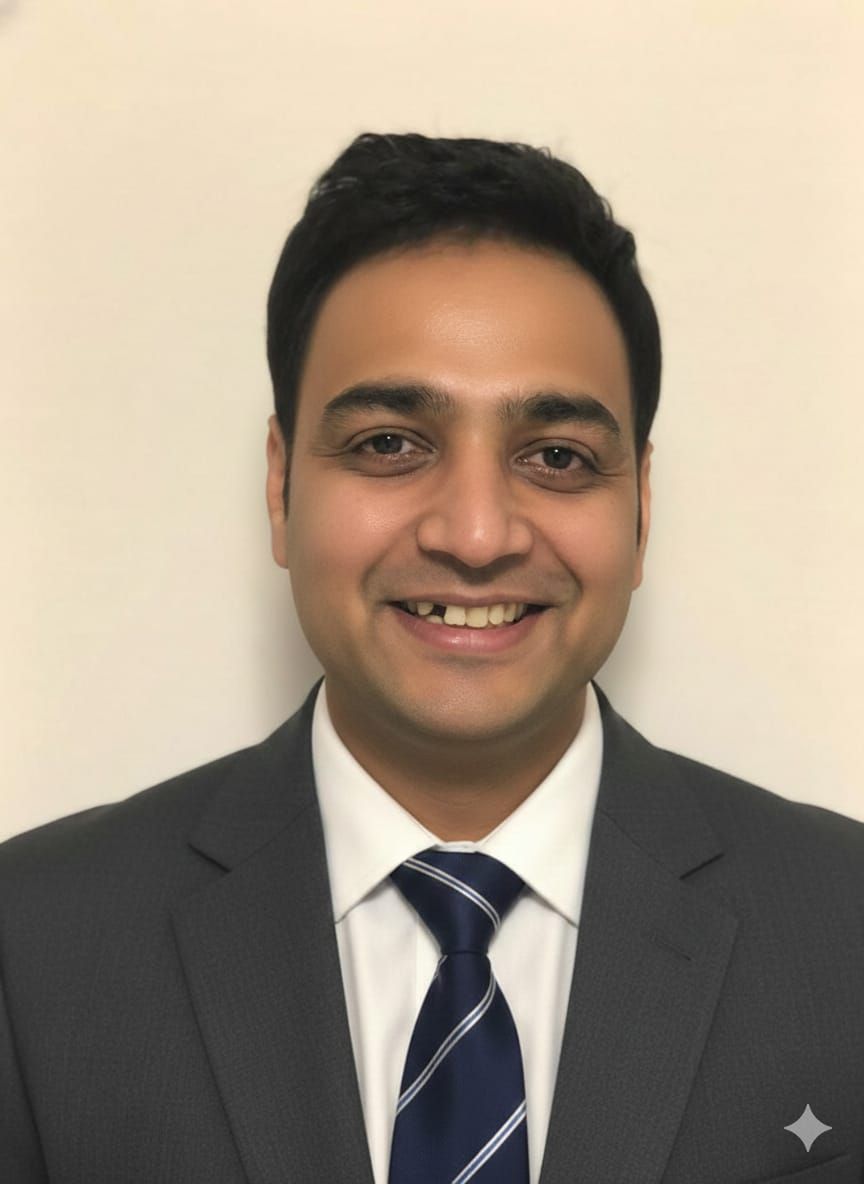
About Dr. Nishant Mittal
Dr. Nishant Mittal is a highly accomplished researcher with over 13 years of experience in the fields of cardiovascular biology and cancer research. Significant contributions to stem cell biology, developmental biology, and innovative research techniques mark his career. Research Highlights Dr. Mittal's research has focused on several key areas: 1) Cardio…
✓ Reviewed for medical accuracy by the CancerFax review panel.
Medical Disclaimer
This article is for educational purposes only and should not replace medical advice, diagnosis, or treatment from a qualified oncology specialist. Every patient's case is different. Treatment decisions should always be made after a review of complete medical records by the treating medical team.
Treatment availability, eligibility, timelines, and access can change. Any clinical trial participation depends on detailed review and approval by the trial hospital or investigator.