

In this article
FDA Approval of Afami-cel: First Engineered T-Cell Therapy for Solid Tumors
August 2024: The United States Food and Drug Administration (FDA) awarded fast approval late last week to the immunotherapy afamitresgene autoleucel (afami-cel) for the treatment of adults with synovial sarcoma, a rare soft tissue cancer. Afami-cel is the first engineered T cell therapy approved by the FDA for treating solid tumors.
“This treatment offers an important new option for people with this rare cancer,” said Sandra D’Angelo, MD, a sarcoma specialist who led the clinical trial at Memorial Sloan Kettering Cancer Center (MSK). “It is also an important step forward in the development of T cell therapies for solid tumors, which has been a major challenge.”
Understanding Afami-cel TCR Therapy and MAGE-A4 Targeting
Since 2017, chimeric antigen receptor (CAR) T cell therapy has been used successfully to treat many types of blood cancer by targeting proteins on cancer cells’ surfaces. However, the development of CAR T treatments for solid tumors has encountered various hurdles to effectiveness, including off-target effects caused by a lack of precise target antigens, T cell depletion, and tumor heterogeneity, among others.
Afami-cel is not a CAR T cell therapy but rather a TCR therapy. TCRs, like CAR Ts, can target proteins within cells, whereas CAR T therapies only target proteins on the cell surface. However, the cell engineering method for afami-cel is nearly identical to that for CAR T cell therapies: a patient’s T cells are harvested from their blood and altered to detect and fight a specific target in cancer cells before being reinfused into the patient.
The target for afami-cel is a protein called MAGE-A4.
SPEARHEAD-1 Clinical Trial Results and Treatment Efficacy
The FDA approved afami-cel based on the results of Adaptimmune’s pivotal SPEARHEAD-1 study for metastatic synovial sarcoma and myxoid round cell liposarcoma (MRCLS), which were published in The Lancet in April. MRCLS is a separate illness that has clinical and molecular similarities to synovial sarcoma, including the expression of the MAGE-A4 cancer antigen.
Afami-cel was administered to 52 patients in total (44 with synovial sarcoma and eight with myxoid round cell liposarcoma). Not all patients have responded to previous lines of treatment. According to the trial results, 37% of the patients’ tumors shrank after getting a single dose. The efficacy rate was 39% in synovial sarcoma patients and 25% in those with MRCLS.
Patient Response, Safety Profile, and Future Directions
Patients with synovial sarcoma responded to treatment for an average of 11.6 months, while those with MRCLS reacted for an average of 4.2 months. D’Angelo, the lead author of the Lancet article, stated that these reactions were significant for this group of patients because many had exhausted all other therapeutic choices.
Prior to receiving the medication, all trial participants had chemotherapy. Hematologic toxicities were the most common side effects, as expected given the lymphodepletion that occurs in chemotherapy patients. 71% of trial participants suffered cytokine release syndrome (CRS), a potentially significant side effect; however, the symptoms were mild for the majority of individuals.
With this first approval, the goal is that afami-cel will be approved for additional indications in which the tumor contains the mutant MAGE-A4 protein. Immunotherapy is now being researched in pediatric sarcomas.
How CancerFax Helps
CancerFax is a specialist cancer access and patient-navigation platform. We help patients and families understand their options, organise medical records, coordinate hospital communication, and support cross-border treatment planning where appropriate.
We help collect and organise reports, scans, pathology, biomarker results, and treatment history for structured case review.
We communicate with hospitals or trial teams to assess whether a case may be suitable for further screening.
We support appointment coordination, document submission, translation, and direct communication with international departments.
For international patients, we help with practical coordination — travel planning, hospital admission guidance, and local support.
If this option is not suitable, we help explore other relevant treatments, clinical trials, or advanced care pathways.
From inquiry through to follow-up, our coordinators provide a single point of contact for the family.
CancerFax does not guarantee treatment access, eligibility, or clinical outcome. Our role is to help patients access accurate information, structured review, and appropriate specialist pathways.
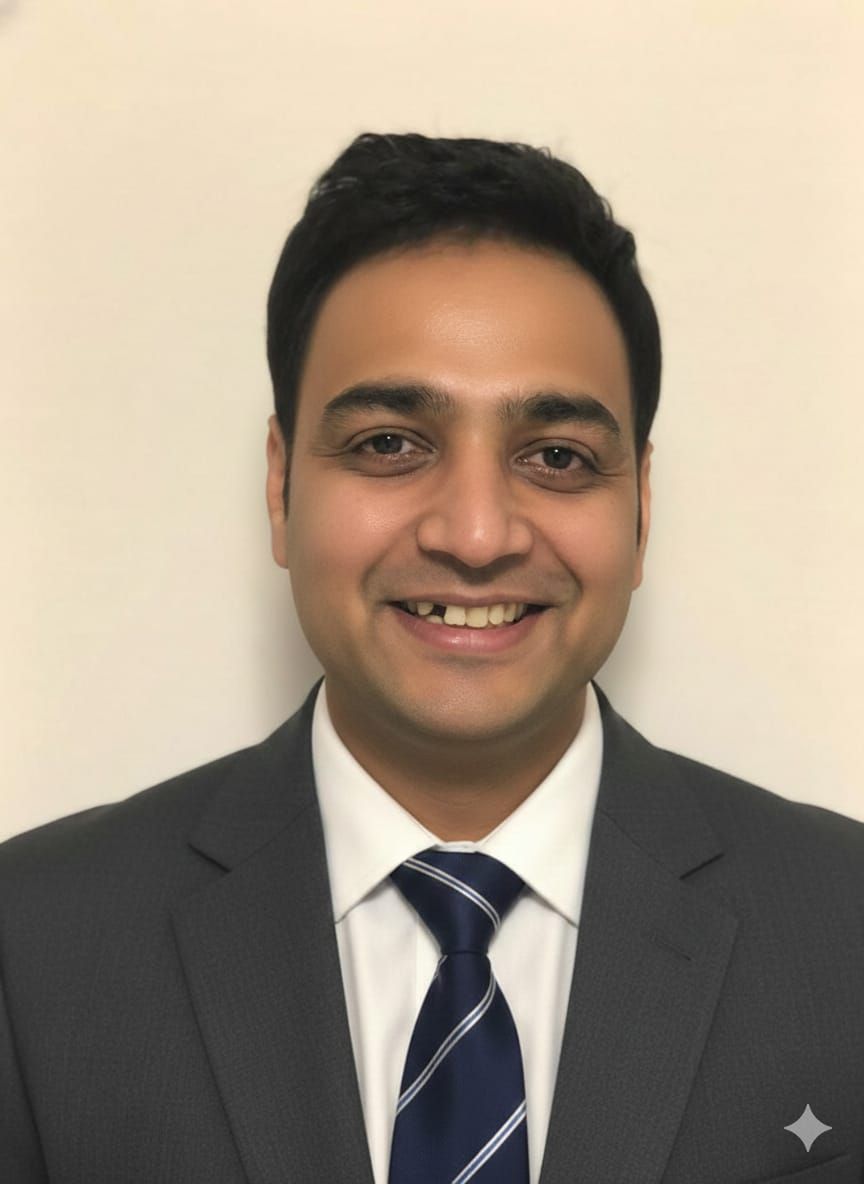
About Dr. Nishant Mittal
Dr. Nishant Mittal is a highly accomplished researcher with over 13 years of experience in the fields of cardiovascular biology and cancer research. Significant contributions to stem cell biology, developmental biology, and innovative research techniques mark his career. Research Highlights Dr. Mittal's research has focused on several key areas: 1) Cardio…
✓ Reviewed for medical accuracy by the CancerFax review panel.
Medical Disclaimer
This article is for educational purposes only and should not replace medical advice, diagnosis, or treatment from a qualified oncology specialist. Every patient's case is different. Treatment decisions should always be made after a review of complete medical records by the treating medical team.
Treatment availability, eligibility, timelines, and access can change. Any clinical trial participation depends on detailed review and approval by the trial hospital or investigator.