
In this article
FDA Approval of Taletrectinib for ROS1-Positive NSCLC
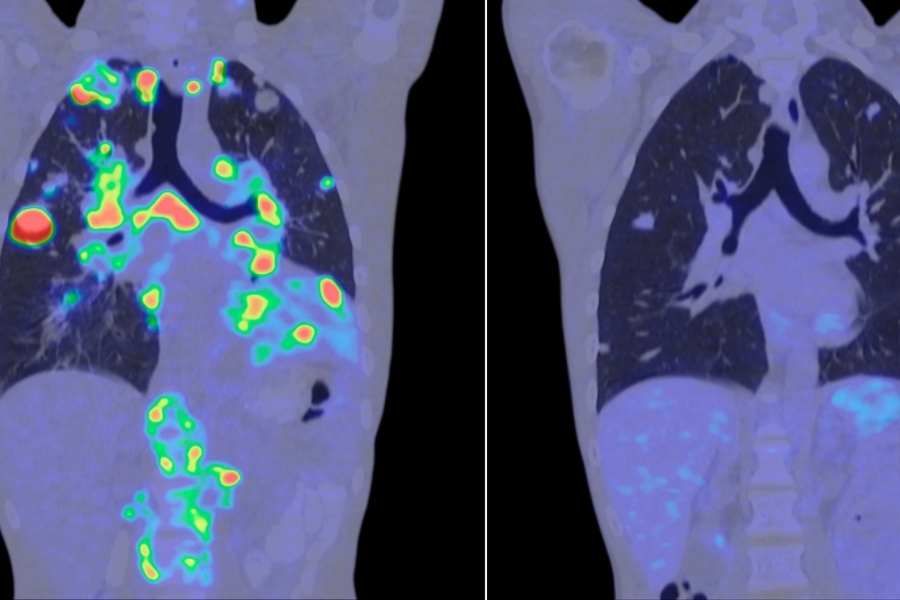
On June 11, 2025, the Food and Drug Administration approved taletrectinib (Ibtrozi, Nuvation Bio Inc.), a type of medicine that blocks certain enzymes, for people with advanced or spreading ROS1-positive non-small cell lung cancer (NSCLC).
Clinical Trial Results and Efficacy Outcomes
The effectiveness was evaluated in patients with locally advanced or metastatic, ROS1-positive non-small cell lung cancer (NSCLC) who took part in two large clinical trials, TRUST-I (NCT04395677) and TRUST-II (NCT04919811). The efficacy population included 157 patients (103 in TRUST-I and 54 in TRUST-II) who had never received a ROS1 tyrosine kinase inhibitor (TKI) and 113 patients (66 in TRUST-I and 47 in TRUST-II) who had previously received one ROS1 TKI. Patients may have undergone previous treatment for advanced illness.
The main goals for measuring effectiveness were the overall response rate (ORR) and how long the response lasted (DOR), which were evaluated by an independent review team following RECIST v1.1 guidelines. In patients who had not received treatment before, the overall response rate (ORR) was 90% in TRUST-I and 85% in TRUST-II, with 72% and 63% of those who responded having a duration of response (DOR) of at least 12 months, respectively. In patients who had already received TKI treatment, the overall response rate (ORR) was 52% in TRUST-I and 62% in TRUST-II, with 74% and 83% of those who responded having a duration of response (DOR) of six months or more, respectively.
The prescribing information for taletrectinib includes warnings about liver damage, lung disease, heart rhythm changes, high uric acid levels, muscle pain with high creatine phosphokinase, bone fractures, and risks to unborn babies.
The recommended dose of taletrectinib is 600 mg taken by mouth once a day on an empty stomach, meaning no food should be eaten at least 2 hours before and 2 hours after taking it, until the disease gets worse or side effects become too severe.
How CancerFax Helps
CancerFax is a specialist cancer access and patient-navigation platform. We help patients and families understand their options, organise medical records, coordinate hospital communication, and support cross-border treatment planning where appropriate.
We help collect and organise reports, scans, pathology, biomarker results, and treatment history for structured case review.
We communicate with hospitals or trial teams to assess whether a case may be suitable for further screening.
We support appointment coordination, document submission, translation, and direct communication with international departments.
For international patients, we help with practical coordination — travel planning, hospital admission guidance, and local support.
If this option is not suitable, we help explore other relevant treatments, clinical trials, or advanced care pathways.
From inquiry through to follow-up, our coordinators provide a single point of contact for the family.
CancerFax does not guarantee treatment access, eligibility, or clinical outcome. Our role is to help patients access accurate information, structured review, and appropriate specialist pathways.

About Sai Sree
✓ Reviewed for medical accuracy by the CancerFax review panel.
Medical Disclaimer
This article is for educational purposes only and should not replace medical advice, diagnosis, or treatment from a qualified oncology specialist. Every patient's case is different. Treatment decisions should always be made after a review of complete medical records by the treating medical team.
Treatment availability, eligibility, timelines, and access can change. Any clinical trial participation depends on detailed review and approval by the trial hospital or investigator.