

In this article
Shifting the Screening Age Recommendation
A new study reported at the European Digestive Disease Week (UEG) shows that regardless of family history, colorectal cancer screening has doubled since the age of 45 rather than 50. (UEG 2017)
The researchers pointed out that the general population of the colonoscopy screening program recommends screening for people over the age of 50, but the incidence of colorectal cancer under the age of 50 has increased.
Colonoscopy Detection Rates by Age Group
This prospective study evaluated 6027 cases of colonoscopy. The detection rates of polyps, adenomas, large polyps and cancer were 34.0%, 32.0%, 8.0% and 3.6%, respectively. One of the more important findings of this study is that when the risk of adenoma and cancer detection is analyzed by different age groups, the detection rate of people under 30 years old is very low, and it is relatively low before 45 years old. There is a very significant increase.
The average polyp detection rate of 4438 patients over 50 years old was over 35%, and the cancer detection rate exceeded 5%. The average polyps detection rate of 515 patients aged 45-49 years was 26%, and the cancer detection rate was nearly 4%. The detection rate of 1076 subjects ≤44 years old was very low. Even after excluding high-risk populations with a family history, the detection rate of polyps or cancer was still high among people aged 45 to 49 years.
Implications for Preventive Screening
The researchers believe that the research population is a real practice population, so the research conclusions are applicable to the general screening population. 50-year-old should not be used as the starting age for screening, and colorectal cancer screening should be started from 45-year-old to better prevent colorectal cancer. The results of the study suggest that, even if there is no family history, the risk of disease will increase greatly after the age of 45, which is more critical.
How CancerFax Helps
CancerFax is a specialist cancer access and patient-navigation platform. We help patients and families understand their options, organise medical records, coordinate hospital communication, and support cross-border treatment planning where appropriate.
We help collect and organise reports, scans, pathology, biomarker results, and treatment history for structured case review.
We communicate with hospitals or trial teams to assess whether a case may be suitable for further screening.
We support appointment coordination, document submission, translation, and direct communication with international departments.
For international patients, we help with practical coordination — travel planning, hospital admission guidance, and local support.
If this option is not suitable, we help explore other relevant treatments, clinical trials, or advanced care pathways.
From inquiry through to follow-up, our coordinators provide a single point of contact for the family.
CancerFax does not guarantee treatment access, eligibility, or clinical outcome. Our role is to help patients access accurate information, structured review, and appropriate specialist pathways.
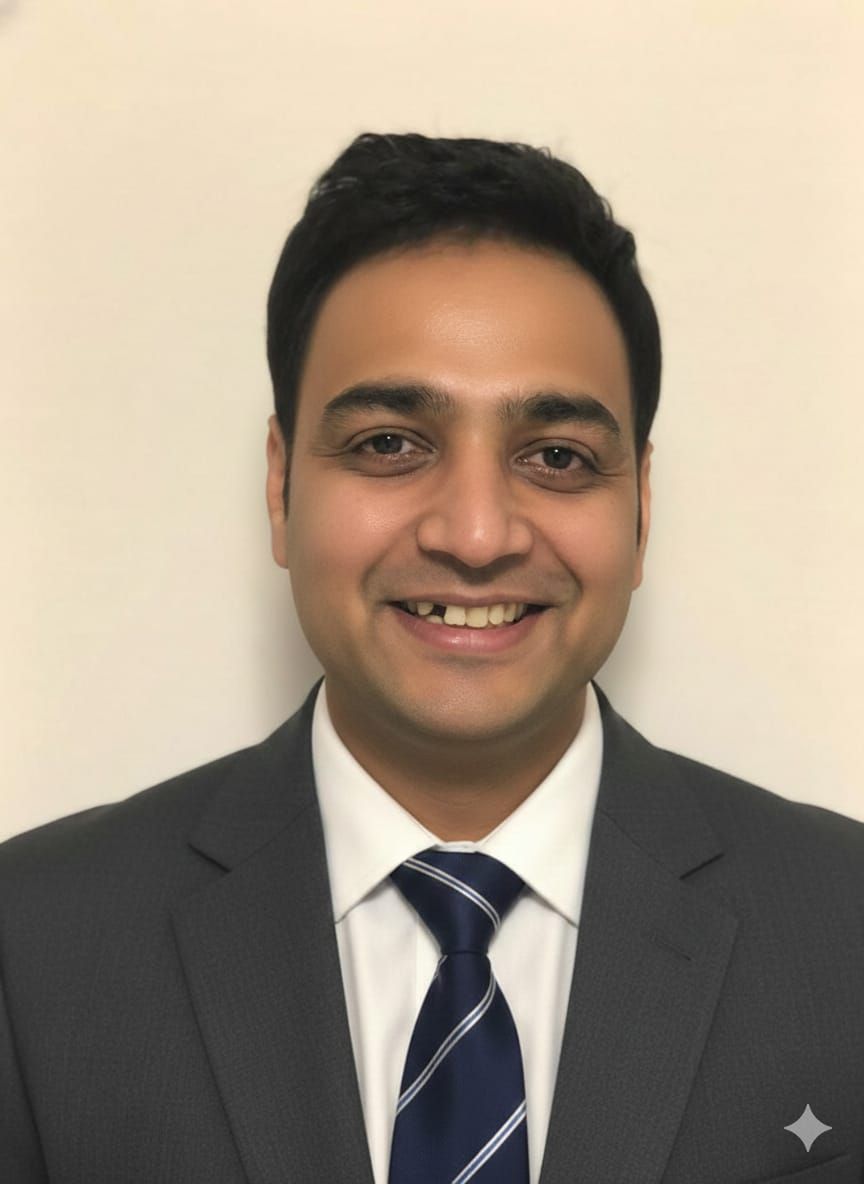
About Dr. Nishant Mittal
Dr. Nishant Mittal is a highly accomplished researcher with over 13 years of experience in the fields of cardiovascular biology and cancer research. Significant contributions to stem cell biology, developmental biology, and innovative research techniques mark his career. Research Highlights Dr. Mittal's research has focused on several key areas: 1) Cardio…
✓ Reviewed for medical accuracy by the CancerFax review panel.
Medical Disclaimer
This article is for educational purposes only and should not replace medical advice, diagnosis, or treatment from a qualified oncology specialist. Every patient's case is different. Treatment decisions should always be made after a review of complete medical records by the treating medical team.
Treatment availability, eligibility, timelines, and access can change. Any clinical trial participation depends on detailed review and approval by the trial hospital or investigator.