

In this article
Matthew is a 27-year-old patient with Acute Lymphoblastic Leukemia who was diagnosed in 2015. Unfortunately, the standard treatment of chemotherapy and bone marrow transplantation failed. He qualified for a clinical trial at London's Kings College Hospital, where he underwent CAR-T therapy. "I'm concerned that blast cells make up almost half of your bone marrow." After undergoing UKALL14 induction, two rounds of FLAG-Ida, and a non-related donor bone marrow transplant to treat your acute lymphoblastic leukaemia, that's not exactly the news you want to hear.
Regardless, these were the words I heard. Rather than being irritated, I instantly began to consider how I could solve this challenge. While people around me were stunned and upset, I took this as a challenge. Except for the pioneering CAR-T therapy I had heard so much about in the press, I disregarded all of my options after being presented with them. This was not only the treatment I desired, but it was also the treatment I required! The only issue was that it was still in phase one and two clinical trials, the majority of which were in the United States and cost roughly £500,000, all of which had to be paid for by the patient!
I was recommended to two doctors who were conducting clinical trials, but neither of them were appropriate for me. Meanwhile, I was taking vincristine and prednisone to keep the disease at bay. My consultant worked hard to put together a protocol and ensure the proper care was in place for me to receive blinatumomab, but it was not to be. I found a link to the Leukemia & Lymphoma Society in the United States after doing a lot of research and contacting many relevant people. I went to the website and discovered that there was an immediate chat facility. I typed in a message describing my condition and my desire for CAR-T therapy. I received a response within a few minutes, much to my amazement. A trial was running in London, according to the message, and there was a link to the experiment on the clinical trials website! It was unbelievable!
The study was headquartered in London, and I appeared to be eligible based on the description. I recognized the lead doctor's name and emailed him. I wrote the email on a Saturday afternoon, so I didn't expect a response until the following week, but I was pleasantly surprised to receive one the same day! It stated that I appeared to be suitable, but that no guarantees could be provided, and that the treatment was very experimental because it employed donor T-cells rather than other treatments.
I got a bone marrow biopsy and various blood tests to confirm I met the study criteria after some conversation between the trial doctor and my specialists. All of the tests revealed that I was eligible for the trial, which gave me great relief. But there was one more stumbling block. Antifungal prophylaxis was given to me when I was on vincristine and prednisone. One of my liver enzyme readings had risen above the trial's permitted range. Unfortunately, I lost my spot, but my liver enzyme levels improved over the next two weeks, and I was fortunate enough to be offered another position.
When I arrived at Kings College Hospital in London, I underwent five days of chemotherapy to prepare my body for the CAR-T cells. After that, I took a day off before getting the cells the next day. It was an amazing moment for me after all of the buildup. As I watched those cells being injected into my PICC line, I felt a surge of hope that they might just be the key to reclaiming my life.
There had been no trace of activity from the cells for about a week. Then, about a week after the infusion, I had a fever. Only paracetamol was able to reduce the fever, which lasted for several days. When my temperature began to rise as the paracetamol wore off, I remember it being uncomfortable but not unbearable. After experiencing pain in my lower abdomen a few days later, I was referred for an ultrasound. I developed appendicitis, to everyone's surprise! I was anaemic, neutropenic, and had a low platelet count at this point, so operating was dangerous, but a ruptured appendix was also not ideal.
The surgeons and the haematology physicians had a brief chat. Haematology wanted to give me antibiotics to see if it would help my appendix settle down because they thought it was a side effect of the CAR-T cells, but the surgeons wanted to operate. I was transferred to intensive care. I recall going there with a sweltering warmth and trying to remain cool with damp paper towels. I was asleep when I arrived at intensive care, fully expecting to wake up in a few hours with my temperature rising. My temperature, however, remained normal. The physicians were amazed to notice that I no longer had a temperature and that the discomfort in my side had gone when they came to visit me the next morning; I'd made a miraculous recovery!
I was released from critical care a few days later. I developed a rash on the back of my hand after about a week. After a few more days, the rash began to spread across my entire body. Steroid creams were prescribed, but they didn't seem to help much. I was quite uncomfortable because of the rash, and it was difficult for me not to scratch. I noticed the lower area of my back was swollen and felt full of fluid one weekend. I called the on-call haematologist, who recommended that I go to A&E. I was admitted to the hospital after being examined by a doctor, just a few days ahead of schedule for my second bone marrow transplant. I was given oral steroids, which helped to reduce the rash.
I was finally able to return home after another arduous bone marrow transplant. Since then, I've continued to restore my mental and physical health and vigour. I was fortunate enough to avoid significant infections until 11 months after the second transplant, when I acquired a fungal chest infection that required me to return to the hospital for 10 days. Aside from that, I've continued to reconstruct my life, returning to work, beginning to exercise, and finding my new normal, which is different from my previous one but equally fantastic!
Finally, I want to express my gratitude to everyone mentioned in this narrative — my family and friends, all of the doctors, nurses, and medical personnel who looked after me, all of the scientists and researchers who contributed to the development of the drugs and therapies I received, all blood donors, my two stem cell donors, and those who donate to and work for the organizations that create the stem cell registry.
How CancerFax Helps
CancerFax is a specialist cancer access and patient-navigation platform. We help patients and families understand their options, organise medical records, coordinate hospital communication, and support cross-border treatment planning where appropriate.
We help collect and organise reports, scans, pathology, biomarker results, and treatment history for structured case review.
We communicate with hospitals or trial teams to assess whether a case may be suitable for further screening.
We support appointment coordination, document submission, translation, and direct communication with international departments.
For international patients, we help with practical coordination — travel planning, hospital admission guidance, and local support.
If this option is not suitable, we help explore other relevant treatments, clinical trials, or advanced care pathways.
From inquiry through to follow-up, our coordinators provide a single point of contact for the family.
CancerFax does not guarantee treatment access, eligibility, or clinical outcome. Our role is to help patients access accurate information, structured review, and appropriate specialist pathways.
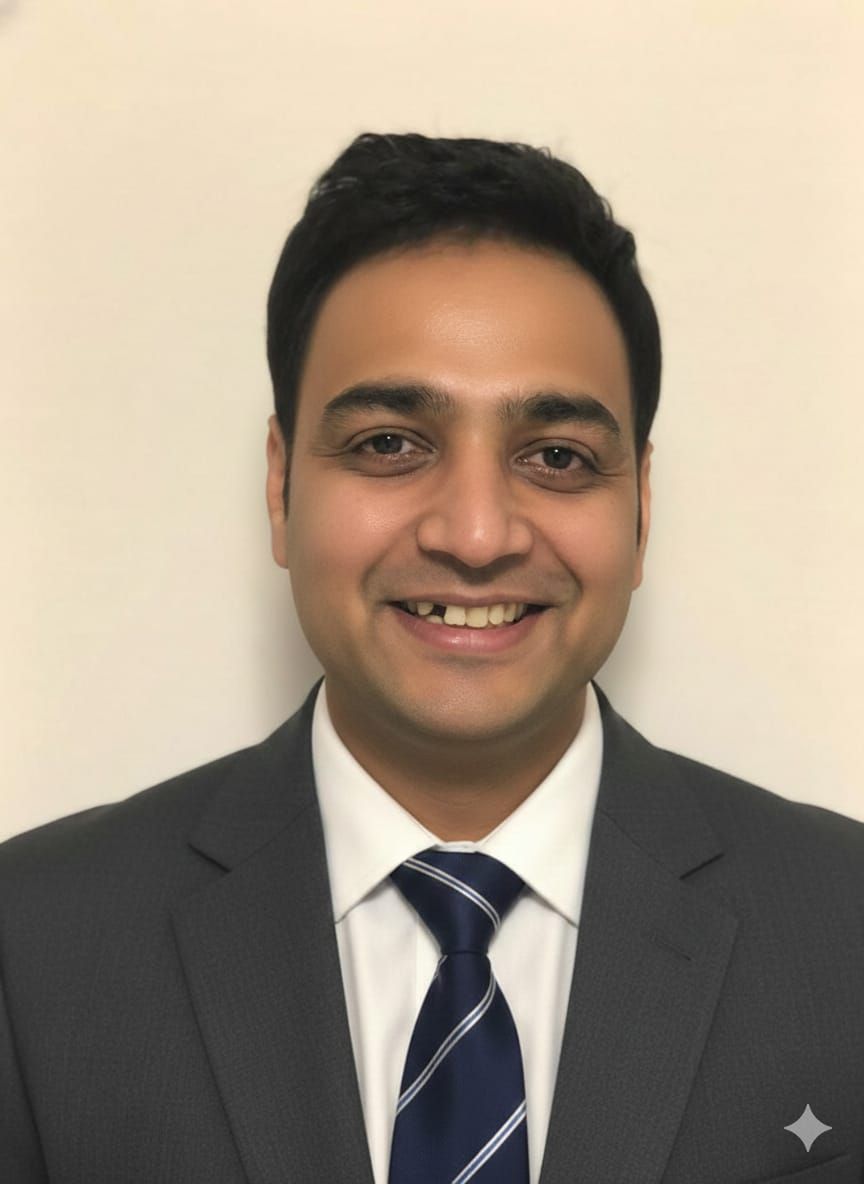
About Dr. Nishant Mittal
Dr. Nishant Mittal is a highly accomplished researcher with over 13 years of experience in the fields of cardiovascular biology and cancer research. Significant contributions to stem cell biology, developmental biology, and innovative research techniques mark his career. Research Highlights Dr. Mittal's research has focused on several key areas: 1) Cardio…
✓ Reviewed for medical accuracy by the CancerFax review panel.
Medical Disclaimer
This article is for educational purposes only and should not replace medical advice, diagnosis, or treatment from a qualified oncology specialist. Every patient's case is different. Treatment decisions should always be made after a review of complete medical records by the treating medical team.
Treatment availability, eligibility, timelines, and access can change. Any clinical trial participation depends on detailed review and approval by the trial hospital or investigator.