

In this article
FDA Approval for First-Line ESCC Treatment
June 2022: For the first-line therapy of individuals with advanced or metastatic esophageal squamous cell carcinoma (ESCC), the Food and Drug Administration has approved the following:
In combination with fluoropyrimidine- and platinum-based chemotherapy, nivolumab (Opdivo, Bristol-Myers Squibb Company) and a combination of nivolumab and ipilimumab (Yervoy, Bristol-Myers Squibb Company)
CHECKMATE-648 Clinical Trial Overview
Efficacy was assessed in 970 patients with previously untreated unresectable advanced, recurrent, or metastatic ESCC in the CHECKMATE-648 (NCT03143153) randomised, active-controlled, open-label trial. Prior curative treatment was permitted if finished more than six months prior to study enrolment. Those with symptomatic brain metastases, active autoimmune illness, receiving systemic corticosteroids or immunosuppressants, or patients at high risk of bleeding or fistula due to evident tumour invasion to organs adjacent to the esophageal tumour were excluded from the study. Patients were assigned to one of the following treatments at random (1:1:1):
240 mg nivolumab intravenously on days 1 and 15, 800 mg/m2/day fluorouracil intravenously on days 1 through 5 (for 5 days), and 80 mg/m2 cisplatin intravenously on day 1 (of a 4-week cycle).
Nivolumab 3 mg/kg every two weeks, and ipilimumab 1 mg/kg every six weeks
On days 1 through 5 (for 5 days), fluorouracil 800 mg/m2/day intravenously, and cisplatin 80 mg/m2 intravenously (of a 4-week cycle).
Survival Rates and Treatment Efficacy
Overall survival (OS) and progression-free survival as judged by a blinded independent central review (BICR) were the main efficacy outcome measures (PFS). When both nivolumab-containing regimens were separately compared to chemotherapy, CHECKMATE-648 revealed statistically significant increases in OS in all randomised participants and in the subpopulation with tumour cell (TC) PD-L1 1%.
OS results in the ITT group (all participants randomised) revealed:
Nivolumab, fluorouracil, and cisplatin had an HR of 0.74 (95 percent CI 0.61, 0.90; p=0.0021) when compared to chemotherapy.
When nivolumab and ipilimumab were compared to chemotherapy, the HR was 0.78 (95 percent CI 0.65, 0.95; p=0.0110).
In the ITT group, the median OS for the nivolumab, fluorouracil, and cisplatin arm was 13.2 months (95 percent CI: 11.1, 15.7), 12.8 months (95 percent CI: 11.3, 15.5) for the nivolumab and ipilimumab arm, and 10.7 months (95 percent CI: 9.4, 11.9) for the fluorouracil and cisplatin arm.
The OS results in the TC PD-L1 1% population revealed:
Nivolumab, fluorouracil, and cisplatin had an HR of 0.54 (95 percent confidence interval: 0.41, 0.71; p0.0001) when compared to treatment alone.
When nivolumab and ipilimumab were compared to chemotherapy, the HR was 0.64 (95 percent CI: 0.49, 0.84; p=0.0010).
Adverse Events and Side Effects
Nausea, decreased appetite, lethargy, constipation, stomatitis, diarrhoea, and vomiting were the most prevalent adverse events (20%) in patients treated with nivolumab with fluoropyrimidine- and platinum-containing treatment in CHECKMATE-648. Rashes, lethargy, pyrexia, nausea, diarrhoea, and constipation were the most prevalent adverse events (20%) in individuals treated with nivolumab plus ipilimumab in CHECKMATE-648.
Recommended Nivolumab Dosage and Administration
The recommended nivolumab dose is:
240 mg every 2 weeks or 480 mg every 4 weeks in combination with fluoropyrimidine- and platinum-containing chemotherapy, or
3 mg/kg every 2 weeks or 360 mg every 3 weeks with ipilimumab 1 mg/kg every 6 weeks.
View full prescribing information for Opdivo.
How CancerFax Helps
CancerFax is a specialist cancer access and patient-navigation platform. We help patients and families understand their options, organise medical records, coordinate hospital communication, and support cross-border treatment planning where appropriate.
We help collect and organise reports, scans, pathology, biomarker results, and treatment history for structured case review.
We communicate with hospitals or trial teams to assess whether a case may be suitable for further screening.
We support appointment coordination, document submission, translation, and direct communication with international departments.
For international patients, we help with practical coordination — travel planning, hospital admission guidance, and local support.
If this option is not suitable, we help explore other relevant treatments, clinical trials, or advanced care pathways.
From inquiry through to follow-up, our coordinators provide a single point of contact for the family.
CancerFax does not guarantee treatment access, eligibility, or clinical outcome. Our role is to help patients access accurate information, structured review, and appropriate specialist pathways.
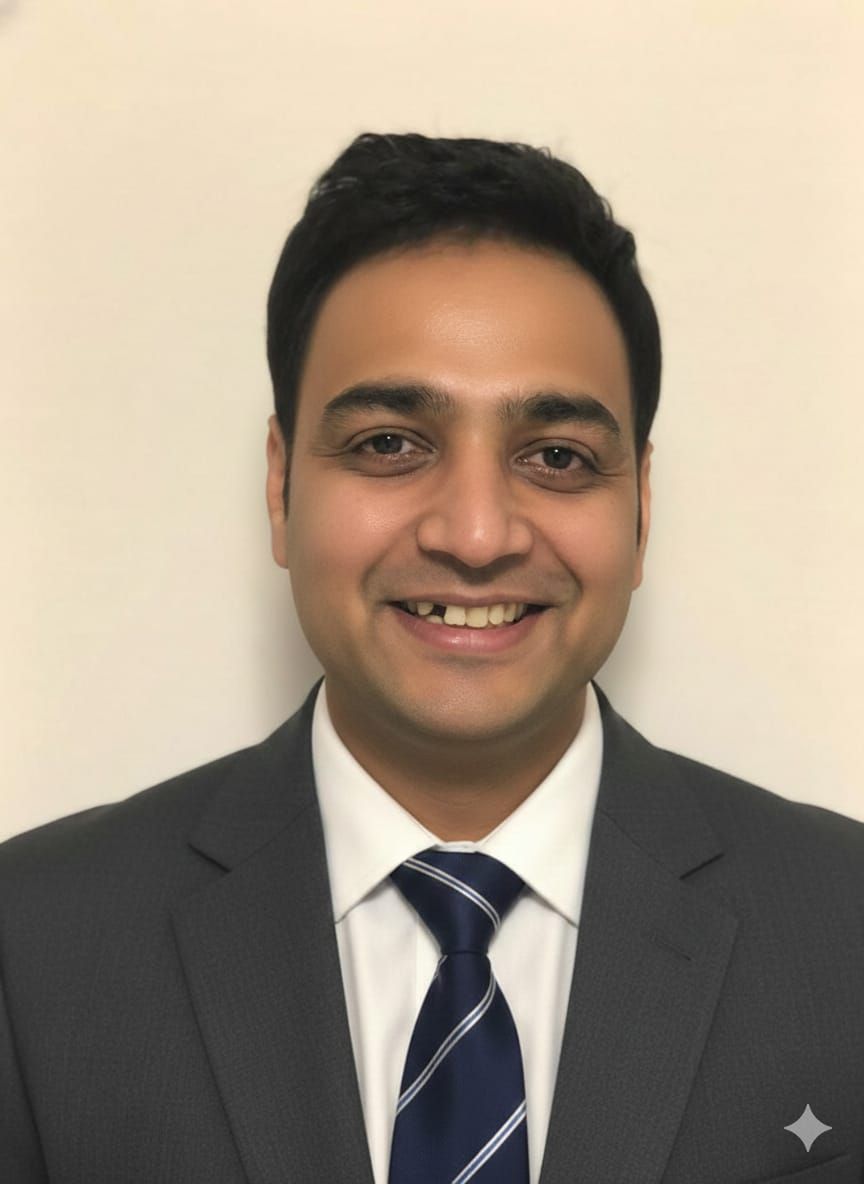
About Dr. Nishant Mittal
Dr. Nishant Mittal is a highly accomplished researcher with over 13 years of experience in the fields of cardiovascular biology and cancer research. Significant contributions to stem cell biology, developmental biology, and innovative research techniques mark his career. Research Highlights Dr. Mittal's research has focused on several key areas: 1) Cardio…
✓ Reviewed for medical accuracy by the CancerFax review panel.
Medical Disclaimer
This article is for educational purposes only and should not replace medical advice, diagnosis, or treatment from a qualified oncology specialist. Every patient's case is different. Treatment decisions should always be made after a review of complete medical records by the treating medical team.
Treatment availability, eligibility, timelines, and access can change. Any clinical trial participation depends on detailed review and approval by the trial hospital or investigator.