

In this article
On November 8, 2024, the Food and Drug Administration sanctioned obecabtagene autoleucel (Aucatzyl, Autolus Inc.), a CD19-targeted genetically engineered autologous CAR T cell therapy, for people with relapsed or refractory B-cell precursor acute lymphoblastic leukemia (ALL).
The efficacy was assessed in FELIX (NCT04404660), an open-label, multicenter, single-arm trial involving people with relapsed or refractory CD19-positive B-cell acute lymphoblastic leukemia (ALL). Enrolled patients were mandated to have experienced a relapse after a remission of 12 months or less, relapsed or refractory acute lymphoblastic leukemia (ALL) after two or more prior systemic therapies, or a relapse or refractory condition occurring three or more months post-allogeneic stem cell transplantation.
The primary efficacy outcome indicators were the rate and duration of complete remission (CR) attained within three months post-infusion. The supplementary outcome measures included the rate and duration of overall complete remission, encompassing both full remission and complete remission with incomplete hematologic recovery (CRi), at any point.
Among the 65 patients assessed for effectiveness, 27 patients (42%; 95% confidence interval [CI]: 29%, 54%) attained complete response (CR) within 3 months. The median duration of complete response attained within 3 months was 14.1 months (95% CI: 6.1, not reached).
The prescribing material includes a boxed warning for cytokine release syndrome (CRS), immune effector cell-associated neurotoxicity syndrome (ICANS), and T cell malignancies. Cytokine Release Syndrome (CRS) manifested in 75% of cases (Grade 3, 3%), whereas neurological toxicities were observed in 64% (Grade ≥3, 12%), with Immune Effector Cell-Associated Neurotoxicity Syndrome (ICANS) occurring in 24% (Grade ≥3, 7%).
The predominant non-laboratory adverse reactions (incidence ≥ 20%) encompassed CRS, unspecified infections, musculoskeletal pain, viral infections, fever, nausea, bacterial infections, diarrhea, febrile neutropenia, ICANS, hypotension, pain, fatigue, headache, encephalopathy, and hemorrhage.
The total recommended dosage of obecabtagene autoleucel is 410 x 10^6 CD19 chimeric antigen receptor (CAR)-positive viable T cells, to be administered as a split-dose infusion on Day 1 and Day 10 (±2 days), contingent upon an evaluation of bone marrow blasts and preceded by fludarabine and cyclophosphamide lymphodepleting chemotherapy.
How CancerFax Helps
CancerFax is a specialist cancer access and patient-navigation platform. We help patients and families understand their options, organise medical records, coordinate hospital communication, and support cross-border treatment planning where appropriate.
We help collect and organise reports, scans, pathology, biomarker results, and treatment history for structured case review.
We communicate with hospitals or trial teams to assess whether a case may be suitable for further screening.
We support appointment coordination, document submission, translation, and direct communication with international departments.
For international patients, we help with practical coordination — travel planning, hospital admission guidance, and local support.
If this option is not suitable, we help explore other relevant treatments, clinical trials, or advanced care pathways.
From inquiry through to follow-up, our coordinators provide a single point of contact for the family.
CancerFax does not guarantee treatment access, eligibility, or clinical outcome. Our role is to help patients access accurate information, structured review, and appropriate specialist pathways.
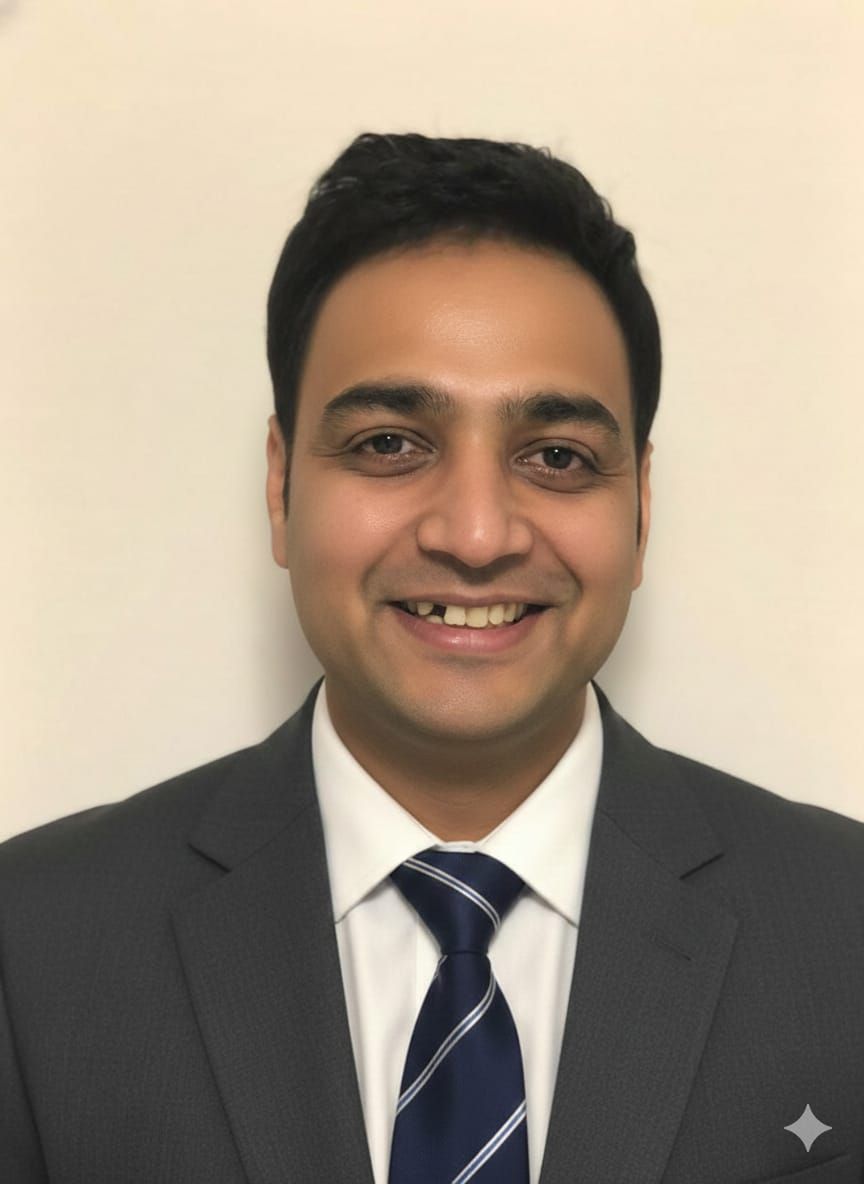
About Dr. Nishant Mittal
Dr. Nishant Mittal is a highly accomplished researcher with over 13 years of experience in the fields of cardiovascular biology and cancer research. Significant contributions to stem cell biology, developmental biology, and innovative research techniques mark his career. Research Highlights Dr. Mittal's research has focused on several key areas: 1) Cardio…
✓ Reviewed for medical accuracy by the CancerFax review panel.
Medical Disclaimer
This article is for educational purposes only and should not replace medical advice, diagnosis, or treatment from a qualified oncology specialist. Every patient's case is different. Treatment decisions should always be made after a review of complete medical records by the treating medical team.
Treatment availability, eligibility, timelines, and access can change. Any clinical trial participation depends on detailed review and approval by the trial hospital or investigator.