
In this article
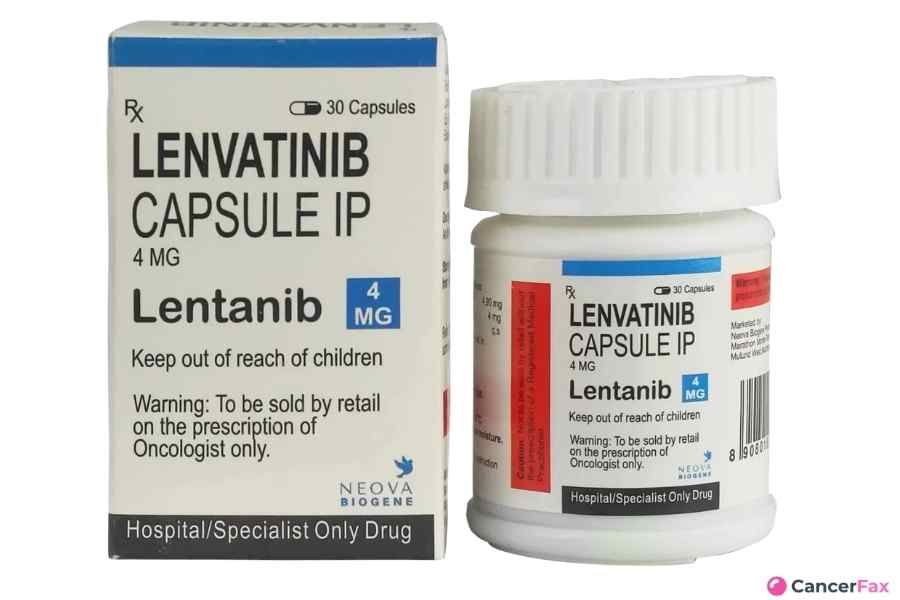
Lenvatinib (Lenvima)
The new oral anticancer drug Lenvima (lenvatinib) has recently been approved by Japan for the treatment of unresectable thyroid cancer. This is another important market that the drug has captured since it was approved by the United States in February of this year. Previously, lenvatinib was granted orphan drug status and priority review qualifications in the United States, Japan, and the European Union. The drug, as an innovative drug with significant public health benefits, will help address the severe unmet medical needs in the field of thyroid cancer.
Eisai said Lenvima will become the new standard for clinical treatment of unresectable thyroid cancer. The industry is very optimistic about Lenvima, and it is expected that the drug will become a new cash cow for Eisai, with annual sales peaking at more than $1 billion.
According to Eisai’s official information, in a large phase III SELECT study, lenvatinib significantly prolonged the progression-free survival of radioiodine-refractory differentiated thyroid cancer compared to placebo (PFS: 18.3 months vs 3.6 months). At the same time, a significantly higher proportion of patients in the lenvatinib treatment group achieved tumor volume reduction (65% vs 2%). In addition, in another phase II study in Japan, lenvatinib also showed good efficacy and tolerance for medullary thyroid cancer and undifferentiated thyroid cancer.
Based on these results, Lenvima was approved by the Japanese regulatory agency to become the first molecular targeted therapy for unresectable thyroid cancer (including differentiated thyroid cancer, medullary thyroid cancer, and undifferentiated thyroid cancer).
Currently, although most types of thyroid cancer can be treated, there are few options for treatment once it gets worse. Differential thyroid cancer (DTC) is the most common malignant thyroid tumor, and its incidence has steadily increased in recent years.
Lenvatinib is an oral multi-receptor tyrosine kinase (RTK) inhibitor with a novel binding mode. In addition to inhibiting other RTKs involved in tumor proliferation and oncogenic signaling pathways, it can also selectively inhibit vascular endothelial growth factor (VEGF) receptor kinase activity.
How CancerFax Helps
CancerFax is a specialist cancer access and patient-navigation platform. We help patients and families understand their options, organise medical records, coordinate hospital communication, and support cross-border treatment planning where appropriate.
We help collect and organise reports, scans, pathology, biomarker results, and treatment history for structured case review.
We communicate with hospitals or trial teams to assess whether a case may be suitable for further screening.
We support appointment coordination, document submission, translation, and direct communication with international departments.
For international patients, we help with practical coordination — travel planning, hospital admission guidance, and local support.
If this option is not suitable, we help explore other relevant treatments, clinical trials, or advanced care pathways.
From inquiry through to follow-up, our coordinators provide a single point of contact for the family.
CancerFax does not guarantee treatment access, eligibility, or clinical outcome. Our role is to help patients access accurate information, structured review, and appropriate specialist pathways.

About Susan Hau
Susan Hau is a distinguished researcher in the field of cancer cell therapy, with a particular focus on T cell-based approaches and cancer vaccines. Her work spans several innovative treatment modalities, including CAR T-cell therapy, TIL (Tumor-Infiltrating Lymphocyte) therapy, and NK (Natural Killer) cell therapy. Hau's expertise lies in cancer cell biolo…
✓ Reviewed for medical accuracy by the CancerFax review panel.
Medical Disclaimer
This article is for educational purposes only and should not replace medical advice, diagnosis, or treatment from a qualified oncology specialist. Every patient's case is different. Treatment decisions should always be made after a review of complete medical records by the treating medical team.
Treatment availability, eligibility, timelines, and access can change. Any clinical trial participation depends on detailed review and approval by the trial hospital or investigator.