

In this article
Researchers Ruiwen Zhang and Robert L. Boblitt from the University of Houston have developed a new pancreatic cancer drug, with findings published in the Journal of Cancer Research. The drug targets two genes simultaneously, making it a significant breakthrough in the treatment of aggressive and deadly pancreatic cancer. Pancreatic cancer occurs when pancreatic cells begin to multiply out of control and develop into lumps, with most cancers starting in the area of the pancreas that produces digestive enzymes. Symptoms include back or stomach pain, unexpected weight loss, jaundice, dark yellow urine, and itchy skin.
Two oncogenes are closely associated with pancreatic cancer. The first is NFAT1 (nuclear factor of T cell 1), and the second is MDM2 (murine double microparticle 2), which regulates a tumor suppressor gene called p53. When the tumor suppressor p53 is absent, MDM2 can cause cancer, and NFAT1 further promotes tumor growth by up-regulating MDM2 expression. Dietary, nutritional, and environmental factors can all contribute to elevated levels of these proteins within cells.
The new drug, a synthetic compound called MA242, is able to deplete both NFAT1 and MDM2 proteins simultaneously, improving tumor-killing efficiency in a way that most existing drugs cannot. As Dr. Zhang explained, most drugs only target one factor, whereas MA242 was identified as a compound capable of targeting two cancer-related genes at the same time. This dual-targeting approach represents a major advancement in cancer research and addresses the unmet clinical need for new, effective, and safe drugs for pancreatic cancer treatment. Beyond pancreatic cancer, the drug is also expected to serve as a framework for developing treatments for other forms of cancer and disease.
How CancerFax Helps
CancerFax is a specialist cancer access and patient-navigation platform. We help patients and families understand their options, organise medical records, coordinate hospital communication, and support cross-border treatment planning where appropriate.
We help collect and organise reports, scans, pathology, biomarker results, and treatment history for structured case review.
We communicate with hospitals or trial teams to assess whether a case may be suitable for further screening.
We support appointment coordination, document submission, translation, and direct communication with international departments.
For international patients, we help with practical coordination — travel planning, hospital admission guidance, and local support.
If this option is not suitable, we help explore other relevant treatments, clinical trials, or advanced care pathways.
From inquiry through to follow-up, our coordinators provide a single point of contact for the family.
CancerFax does not guarantee treatment access, eligibility, or clinical outcome. Our role is to help patients access accurate information, structured review, and appropriate specialist pathways.
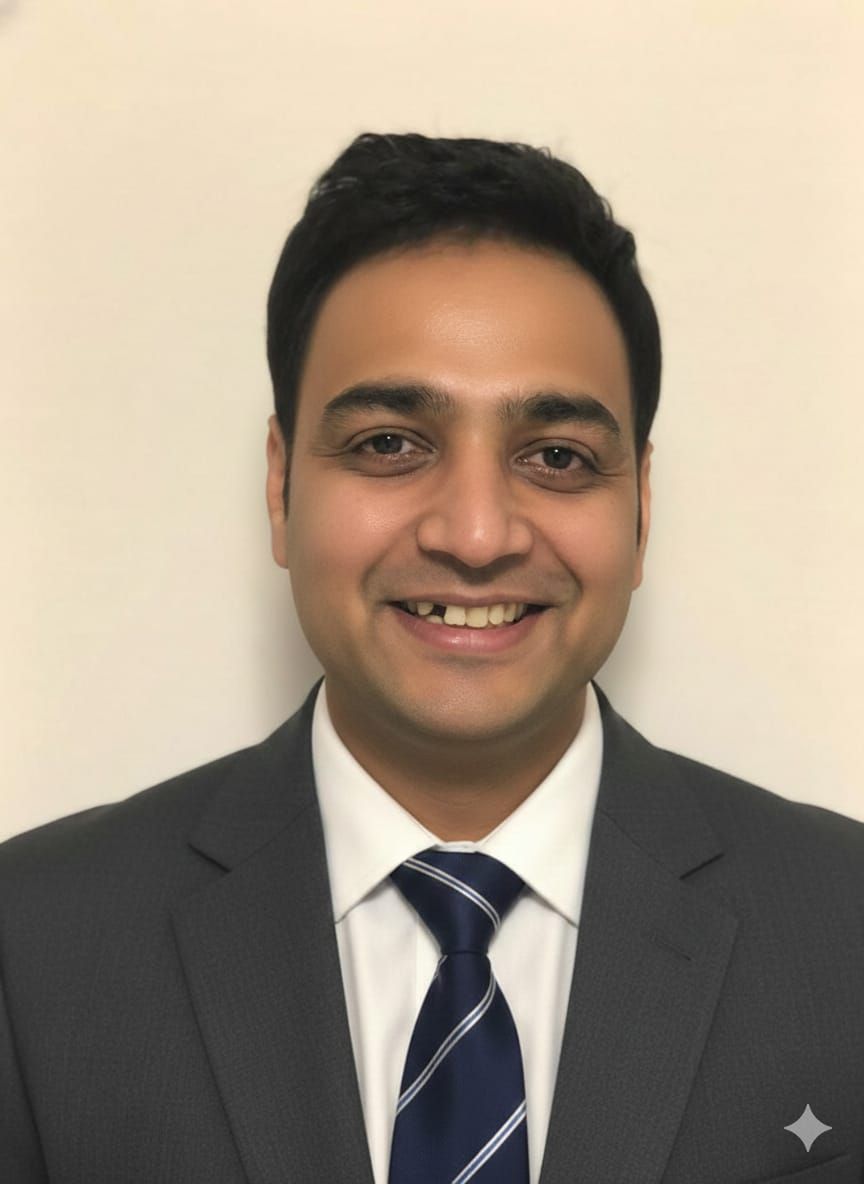
About Dr. Nishant Mittal
Dr. Nishant Mittal is a highly accomplished researcher with over 13 years of experience in the fields of cardiovascular biology and cancer research. Significant contributions to stem cell biology, developmental biology, and innovative research techniques mark his career. Research Highlights Dr. Mittal's research has focused on several key areas: 1) Cardio…
✓ Reviewed for medical accuracy by the CancerFax review panel.
Medical Disclaimer
This article is for educational purposes only and should not replace medical advice, diagnosis, or treatment from a qualified oncology specialist. Every patient's case is different. Treatment decisions should always be made after a review of complete medical records by the treating medical team.
Treatment availability, eligibility, timelines, and access can change. Any clinical trial participation depends on detailed review and approval by the trial hospital or investigator.