

In this article
India declared cancer capital of the world
India was designated as the “cancer capital of the world” in the 4th edition of Apollo Hospitals’ Health of the Nation Report, which was published on World Health Day 2024.
According to a report by PTI, this study on India’s health situation revealed concerning patterns in non-communicable diseases (NCDs), with a significant increase in cancer incidence around the country.
As per the 4th edition of the Health of Nation Report by Apollo Hospitals, on World Health Day 2024, almost 33% of Indians have pre-diabetes, 66% have pre-hypertension, and 10% are now dealing with depression.
The research emphasizes the alarming increase of non-communicable diseases (NCDs) in India, including cancer, diabetes, hypertension, cardiovascular illnesses, and mental health disorders, all of which have a substantial impact on the country’s health. India is experiencing a significant increase in cancer cases compared to global rates, which has led to the country being referred to as the “cancer capital of the world.”
Moreover, the paper predicts a possible rise in healthcare expenses caused by illnesses such as pre-diabetes, pre-hypertension, and mental health disorders manifesting in younger individuals. The paper highlights the significance of frequent health screenings in reducing blood pressure (BP) and body mass index (BMI) levels, hence lowering the risk of cardiac-related diseases.
The prevalent cancers in India, ranked by frequency, among women are breast, cervix, and ovary, and among men, they are lung, mouth, and prostate. Nevertheless, despite the comparatively younger age at which cancer is diagnosed in India in comparison to other nations, the rates of cancer screening are still disturbingly low, as stated in the hospital’s announcement.
Health screening and unified action are the needs of the hour
The analysis underscores the need for routine health exams to mitigate the likelihood of cardiac-related illnesses through the monitoring of blood pressure and body mass index values. Although there is an increasing recognition of the need for health checks, there is still a requirement to broaden their coverage throughout India.
Dr. Preetha Reddy, Vice Chairperson of Apollo Hospitals, emphasized the significance of collectively combating non-communicable diseases (NCDs). She emphasized the necessity of nationwide endeavors to properly address these diseases through education and tailored preventative healthcare solutions.
“It is imperative for the healthcare ecosystem and the nation to unite and adopt a cohesive approach in order to effectively address non-communicable diseases.” The findings revealed a pressing requirement for prompt therapies to combat, prevent, and reverse the escalating epidemic of cancer, diabetes, hypertension, and obesity, among other conditions. According to Dr. Reddy, there is an urgent requirement to provide education to the general public and develop personalized preventative healthcare strategies.
She advocated for the prioritization of investments in health infrastructure, the promotion of preventative healthcare measures, and the resolution of health inequities, in order to facilitate sustainable development in the health sector.
Dr. Madhu Sasidhar, President and CEO of Apollo Hospitals, emphasized the need for innovation in preventive healthcare and enhanced accessibility. He stressed the importance of using technology to improve illness prevention, increase the accuracy of diagnoses, and develop patient-centered treatment methods.
How CancerFax Helps
CancerFax is a specialist cancer access and patient-navigation platform. We help patients and families understand their options, organise medical records, coordinate hospital communication, and support cross-border treatment planning where appropriate.
We help collect and organise reports, scans, pathology, biomarker results, and treatment history for structured case review.
We communicate with hospitals or trial teams to assess whether a case may be suitable for further screening.
We support appointment coordination, document submission, translation, and direct communication with international departments.
For international patients, we help with practical coordination — travel planning, hospital admission guidance, and local support.
If this option is not suitable, we help explore other relevant treatments, clinical trials, or advanced care pathways.
From inquiry through to follow-up, our coordinators provide a single point of contact for the family.
CancerFax does not guarantee treatment access, eligibility, or clinical outcome. Our role is to help patients access accurate information, structured review, and appropriate specialist pathways.
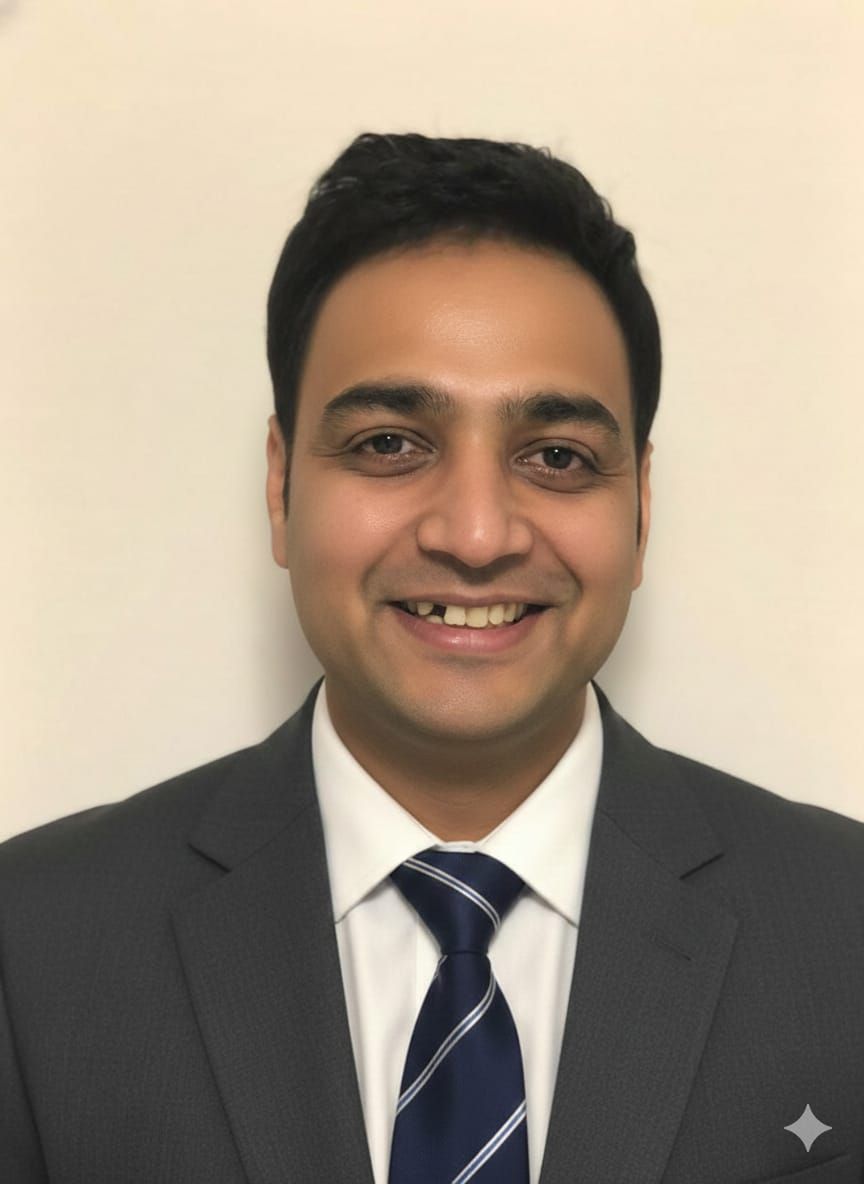
About Dr. Nishant Mittal
Dr. Nishant Mittal is a highly accomplished researcher with over 13 years of experience in the fields of cardiovascular biology and cancer research. Significant contributions to stem cell biology, developmental biology, and innovative research techniques mark his career. Research Highlights Dr. Mittal's research has focused on several key areas: 1) Cardio…
✓ Reviewed for medical accuracy by the CancerFax review panel.
Medical Disclaimer
This article is for educational purposes only and should not replace medical advice, diagnosis, or treatment from a qualified oncology specialist. Every patient's case is different. Treatment decisions should always be made after a review of complete medical records by the treating medical team.
Treatment availability, eligibility, timelines, and access can change. Any clinical trial participation depends on detailed review and approval by the trial hospital or investigator.