
In this article
FDA Approval of Nivolumab for High-Risk Urothelial Carcinoma
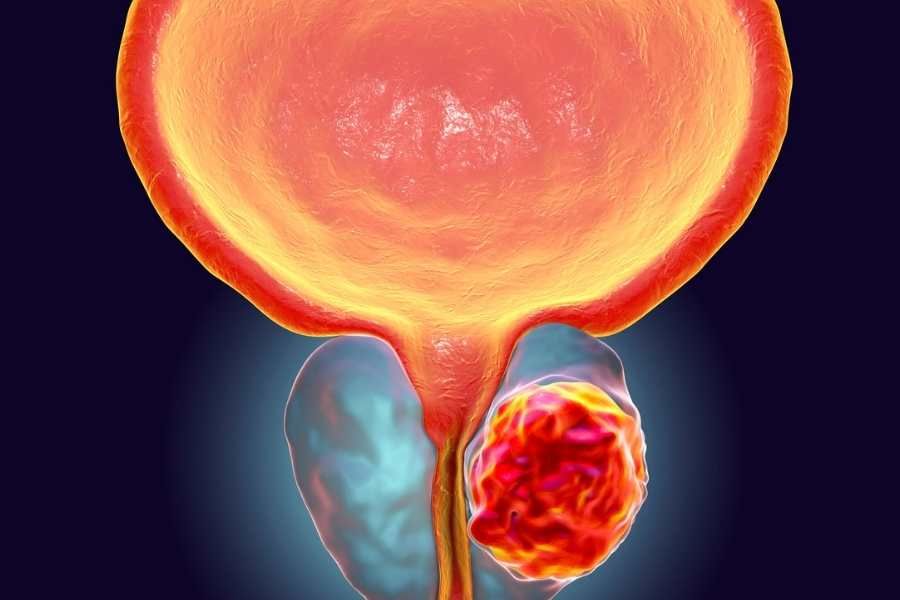
August 2021: Nivolumab (Opdivo, Bristol-Myers Squibb Co.) has been approved by the Food and Drug Administration for the adjuvant treatment of patients with urothelial carcinoma (UC) who are at high risk of recurrence following radical resection.
This is the first time the FDA has approved an adjuvant treatment for high-risk UC patients. The findings also backed up the decision to convert nivolumab’s accelerated authorisation for advanced/metastatic UC to a standard approval.
CHECKMATE-274 Trial: Improved Disease-Free Survival
Nivolumab was studied in CHECKMATE-274 (NCT02632409), a randomised, double-blind, placebo-controlled trial in patients with UC of the bladder or upper urinary tract (renal pelvis or ureter) who were at high risk of recurrence within 120 days of radical resection. Patients were randomly assigned (1:1) to receive nivolumab 240 mg or placebo by intravenous infusion every two weeks until recurrence or intolerable toxicity, with a maximum treatment period of one year.
In the intent-to-treat (ITT) group and in patients with tumours expressing PD-L1 less than 1%, the primary effectiveness objective was investigator-assessed disease-free survival (DFS). Time to first recurrence (local urothelial tract, local non-urothelial tract, or distant metastatic) or death was used to determine DFS. For all primary objectives, a statistically significant improvement in DFS was reported in participants on the nivolumab arm vs. placebo at a prespecified interim analysis. In the ITT analysis, patients who got nivolumab had a median DFS of 20.8 months (95 percent CI: 16.5, 27.6) compared to 10.8 months (95 percent CI: 8.3, 13.9) in patients who received placebo (HR 0.70; 95 percent CI: 0.57, 0.86; p=0.0008). Patients who received nivolumab had a median DFS of not achieved (95 percent confidence interval: 21.2, not estimable) compared to 8.4 months (95 percent confidence interval: 5.6, 21.2) for those who got placebo (HR 0.55; 95 percent confidence interval: 0.39, 0.77; p=0.0005).
Safety Profile and Dosing Guidelines
The unstratified DFS hazard ratio estimate was 0.83 in an exploratory examination of patients with PD-L1-negative tumours (58 percent) (95 percent CI: 0.64, 1.08). With 33 percent of deaths in the entire randomised population, OS data is still in its infancy. There were 37 deaths in the UTUC subpopulation (20 in the nivolumab arm, 17 in the placebo arm).
Rashes, weariness, diarrhoea, pruritus, musculoskeletal pain, and urinary tract infection were the most prevalent adverse effects observed in approximately 20% of participants who received nivolumab in CHECKMATE-274.
Nivolumab is prescribed at a dose of 240 mg every two weeks or 480 mg every four weeks for the adjuvant treatment of UC.
Reference: Check details .
Take second opinion on urothelial carcinoma treatment
How CancerFax Helps
CancerFax is a specialist cancer access and patient-navigation platform. We help patients and families understand their options, organise medical records, coordinate hospital communication, and support cross-border treatment planning where appropriate.
We help collect and organise reports, scans, pathology, biomarker results, and treatment history for structured case review.
We communicate with hospitals or trial teams to assess whether a case may be suitable for further screening.
We support appointment coordination, document submission, translation, and direct communication with international departments.
For international patients, we help with practical coordination — travel planning, hospital admission guidance, and local support.
If this option is not suitable, we help explore other relevant treatments, clinical trials, or advanced care pathways.
From inquiry through to follow-up, our coordinators provide a single point of contact for the family.
CancerFax does not guarantee treatment access, eligibility, or clinical outcome. Our role is to help patients access accurate information, structured review, and appropriate specialist pathways.
Related Articles


About Susan Hau
Susan Hau is a distinguished researcher in the field of cancer cell therapy, with a particular focus on T cell-based approaches and cancer vaccines. Her work spans several innovative treatment modalities, including CAR T-cell therapy, TIL (Tumor-Infiltrating Lymphocyte) therapy, and NK (Natural Killer) cell therapy. Hau's expertise lies in cancer cell biolo…
✓ Reviewed for medical accuracy by the CancerFax review panel.
Medical Disclaimer
This article is for educational purposes only and should not replace medical advice, diagnosis, or treatment from a qualified oncology specialist. Every patient's case is different. Treatment decisions should always be made after a review of complete medical records by the treating medical team.
Treatment availability, eligibility, timelines, and access can change. Any clinical trial participation depends on detailed review and approval by the trial hospital or investigator.