

In this article
Cancer treatment has, of course, evolved a long way since immunotherapy's advent, specifically with the Chimeric Antigen Receptor (CAR) T-cell therapy. The innovative therapy, which has emerged in Mumbai, India, gives patients afflicted with aggressive and treatment-refractory cancers new life. Below, we'll talk through the science of CAR T-cell therapy and availability within Mumbai, which will also revolutionize things for the patient.
CAR T-cell therapy is a type of immunotherapy that involves re-engineering a patient's T cells to recognize and kill cancer cells. T cells are a kind of white blood cell, which are necessary components of the immune system that fight infections and abnormal cells. In CAR T-cell therapy, these cells are derived from the blood of patients, genetically altered in the laboratory to possess a CAR that can be recognized as specific proteins expressed on the surface of the cancer cell, and readministered into the patient's body. They multiply when inside the body and kill cancer cells with unmatched precision.
This therapy has been remarkable in its efficacy for hematological malignancies, such as B-cell ALL and some types of non-Hodgkin lymphoma. For solid tumors, it is still in its infancy, but the pace of research and clinical trials is accelerating.
Mumbai is often referred to as the medical hub of India. This advanced therapy has been adopted by this city, and it has been made available to patients across the country and beyond. Several leading hospitals and research institutions in Mumbai have established state-of-the-art facilities to offer CAR T-cell therapy. Some of the notable centers are Tata Memorial Hospital, Kokilaben Dhirubhai Ambani Hospital, and HCG Cancer Centre.
Key Features of CAR T-Cell Therapy in Mumbai:
- World-Class Infrastructure: Mumbai's top cancer hospitals are equipped with cutting-edge laboratories for genetic modification and expansion of T cells, ensuring adherence to international standards.
- Expertise: The city boasts a pool of highly trained oncologists, immunologists, and researchers who specialize in CAR T-cell therapy.
- Cost-Effectiveness: While CAR T-cell therapy is expensive globally, efforts are underway in India to make it more affordable without compromising on quality. Mumbai's centers are at the forefront of this initiative.
- Accessibility: With direct flights and excellent connectivity, Mumbai serves as a convenient destination for domestic and international patients seeking advanced cancer treatment.
CAR T-cell therapy in Mumbai typically costs anywhere between INR 30 and 50 lakhs ($40,000 and $60,000 USD), depending upon the case complexity and hospital. Even though this is significantly cheaper than international rates, this is still an issue for most patients. But biotech companies from India and research institutions abroad are currently working on initiatives to lower the cost. Some hospitals also have financial aid programs or collaborate with charities to make the treatment more affordable. The effort to develop indigenous CAR T-cell therapies is expected to significantly reduce costs in the coming years.
The therapy involves several critical steps, typically completed over a few weeks:
- T-Cell Collection: Blood is drawn from the patient through a process called leukapheresis to isolate T cells.
- Genetic Engineering: The collected T cells are modified in a laboratory to express CARs that can recognize cancer cells.
- Expansion: The modified T cells are multiplied to produce millions of cancer-fighting cells.
- Conditioning Therapy: Before reinfusion, the patient undergoes lymphodepleting chemotherapy to prepare the body to accept and support the modified cells.
- Reinfusion: The engineered CAR T cells are infused back into the patient, where they begin targeting and destroying cancer cells.
While CAR T-cell therapy represents a significant advancement, it is not without challenges.
Cost: The therapy remains prohibitively expensive for many patients. In India, treatment costs range between INR 30 to 50 lakhs, though initiatives to lower prices are in progress.
Side Effects: Patients may experience severe side effects, including cytokine release syndrome (CRS) and neurotoxicity, necessitating close monitoring.
Limited Awareness: Many patients and healthcare providers are still unfamiliar with the therapy and its benefits.
Despite these challenges, the potential benefits far outweigh the risks. For patients with cancers unresponsive to conventional treatments, CAR T-cell therapy can be life-saving.
Mumbai is all set to be a global leader in CAR T-cell therapy. Collaborative efforts between government bodies, private healthcare institutions, and biotech companies are driving innovation and accessibility. Initiatives to develop indigenously produced CAR T-cell therapies are expected to further reduce costs and enhance availability.
The further expansion of CAR T-cell therapy into solid tumors, autoimmune diseases, and infectious diseases is under continuous clinical trials. Research institutes in Mumbai are contributing a lot to these developments and make this city the only one where all the advanced treatments in cancer care are available.
Stories of patients who have undergone CAR T-cell therapy in Mumbai are a testimony to the transformative impact. For example, people with refractory leukemia or lymphoma have gone into complete remission and are living normal lives after years of battling aggressive cancer.
CAR T-cell therapy stands out as a ray of hope in the fight against cancer. The healthcare ecosystem of Mumbai, with all its advanced infrastructure and professionals, is leading the revolution in bringing this therapy to the patient's doorstep. As awareness spreads and costs decrease, CAR T-cell therapy may help alter the course for countless cancer patients, from treatment to a cure. For those seeking cutting-edge cancer care, Mumbai stands as a symbol of innovation, compassion, and excellence.
How CancerFax Helps
CancerFax is a specialist cancer access and patient-navigation platform. We help patients and families understand their options, organise medical records, coordinate hospital communication, and support cross-border treatment planning where appropriate.
We help collect and organise reports, scans, pathology, biomarker results, and treatment history for structured case review.
We communicate with hospitals or trial teams to assess whether a case may be suitable for further screening.
We support appointment coordination, document submission, translation, and direct communication with international departments.
For international patients, we help with practical coordination — travel planning, hospital admission guidance, and local support.
If this option is not suitable, we help explore other relevant treatments, clinical trials, or advanced care pathways.
From inquiry through to follow-up, our coordinators provide a single point of contact for the family.
CancerFax does not guarantee treatment access, eligibility, or clinical outcome. Our role is to help patients access accurate information, structured review, and appropriate specialist pathways.
Related Articles
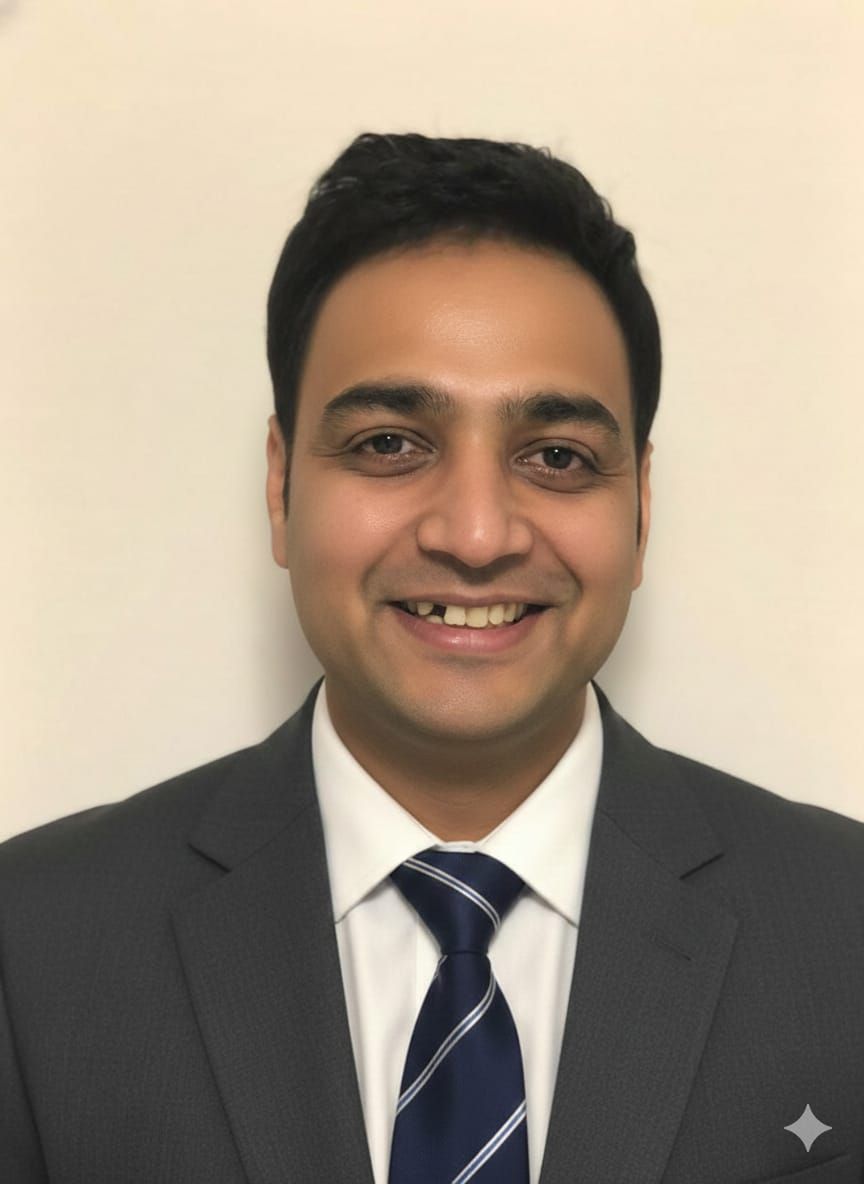
About Dr. Nishant Mittal
Dr. Nishant Mittal is a highly accomplished researcher with over 13 years of experience in the fields of cardiovascular biology and cancer research. Significant contributions to stem cell biology, developmental biology, and innovative research techniques mark his career. Research Highlights Dr. Mittal's research has focused on several key areas: 1) Cardio…
✓ Reviewed for medical accuracy by the CancerFax review panel.
Medical Disclaimer
This article is for educational purposes only and should not replace medical advice, diagnosis, or treatment from a qualified oncology specialist. Every patient's case is different. Treatment decisions should always be made after a review of complete medical records by the treating medical team.
Treatment availability, eligibility, timelines, and access can change. Any clinical trial participation depends on detailed review and approval by the trial hospital or investigator.