

In this article
A hospital in China has developed CAR T-cell therapy for T-cell acute lymphoblastic leukaemia (T-ALL) using CD7 as the expressing protein, with all five patients tested achieving complete remission after treatment, marking a significant advancement beyond the existing use of CAR T-cell therapy for B-cell acute lymphoblastic leukaemia, lymphoma, and multiple myeloma. T-ALL is an aggressive and rapidly progressing type of acute leukaemia that affects lymphoid-cell-producing stem cells, specifically T lymphocytes, and has historically been more difficult to treat than B-cell variants. CAR T-cell therapy works by isolating immune T cells from patients, genetically engineering them with chimeric antigen receptors that recognize cancer cell surface antigens, expanding them extensively in the laboratory, and then reinfusing them into the patient where they function like a well-trained army equipped to launch a relentless attack on cancer cells.
At present FDA has approved CAR T-Cell therapy for some forms of aggressive and refractory Non-Hodgkin lymphoma and relapsed and refractory acute lymphoblastic leukemia. Patient need to send full medical reports to ascertain the use of CAR T-Cell therapy for his treatment.
Inclusion criteria for CAR T-cell therapy:
- Patients with CD19+ B-cell Lymphoma (At least 2 prior combination chemotherapy regimens)
- To be aged 3 to 75 years
- ECOG score ≤2
- Women of childbearing potential must have a urine pregnancy test taken and proven negative prior to the treatment. All patients agree to use reliable methods of contraception during the trial period and until follow-up for the last time.
- Exclusion criteria for CAR T-cell therapy:
- Intracranial hypertension or unconsciousness
- Respiratory failure
- Disseminated intravascular coagulation
- Hematosepsis or Uncontrolled active infection
- Uncontrolled diabetes
Treatment process for CAR T-Cell therapy:
- Complete evaluation of the patient
- T-cell collection from the body
- T-cells are then engineered in the lab
- Genetically engineered T-Cells are then multiplied by using growing them in the laboratory. These cells are frozen and then sent to the treating centres.
- Prior to infusing, patient may be given chemotherapy for their cancer. This helps the therapy work in a better way.
- Soon after chemotherapy CAR T-Cells are infused by a process which is similar to blood infusion.
- There is a 2-3 month of recovery period for the patient.
Time frame for CAR T-Cell therapy:
- Examination & test: one week
- Pre-treatment & T-Cell Collection: one week
- T-Cell preparation & return: two-three weeks
- 1st Effectiveness analysis: three weeks
- 2nd Effectiveness analysis: three weeks
The common side effects of CAR T-cell therapy include:
- Cytokine release syndrome — In some cases, patients may develop flu-like symptoms such as fever, chills, headache, nausea, vomiting, loose stools, and muscle or joint pains. It may also cause low blood pressure, difficulty in breathing, and a fast heart rate. These side effects are due to the release of cytokines by the immune cells during CAR T-cell therapy. These symptoms are usually mild, but can be serious and life threatening in some patients.
- Neurological events — Neurological events can occur and can be serious in some patients. Such events include encephalopathy (brain injury and malfunction), confusion, difficulty speaking, agitation, seizures, drowsiness, altered state of consciousness, and loss of balance.
- Neutropaenia and Anaemia — Some patients may develop neutropenia or low white cell count. Similarly, anaemia or low red blood cell count may also occur due to this therapy.
Fortunately, most of these side effects usually resolve on their own or can be managed with the use of medications.
CAR T-cell therapy for the treatment of lymphoma and other blood cancers has shown promising outcomes. Since CAR T-cell treatment, many patients who had previously relapsed blood tumours had promising results and no evidence of cancer. It has also aided in the rehabilitation of patients who have previously failed to respond to most traditional cancer therapies. However, longer-term studies for a larger patient population are needed to validate the efficacy of this treatment. Large-scale experiments would also aid in determining the likelihood of side effects and the right ways to deal with them. CAR T-cell therapy is currently available at leading cancer institutes in the USA, UK, China, and Israel, with countries such as India, Japan, Singapore, and South Korea expected to begin offering the therapy in the near future. The cost of CAR T-cell therapy varies significantly by country:
- USA – $500,000 – $700,000 USD
- UK – $400,000 – $500,000 USD
- Israel – $100,000 – $150,000 USD
- Singapore – $400,000 – $500,000 USD
- Korea – $400,000 – $500,000 USD
- Japan – $500,000 – $700,000 USD
- China – $40,000 – $80,000 USD
How CancerFax Helps
CancerFax is a specialist cancer access and patient-navigation platform. We help patients and families understand their options, organise medical records, coordinate hospital communication, and support cross-border treatment planning where appropriate.
We help collect and organise reports, scans, pathology, biomarker results, and treatment history for structured case review.
We communicate with hospitals or trial teams to assess whether a case may be suitable for further screening.
We support appointment coordination, document submission, translation, and direct communication with international departments.
For international patients, we help with practical coordination — travel planning, hospital admission guidance, and local support.
If this option is not suitable, we help explore other relevant treatments, clinical trials, or advanced care pathways.
From inquiry through to follow-up, our coordinators provide a single point of contact for the family.
CancerFax does not guarantee treatment access, eligibility, or clinical outcome. Our role is to help patients access accurate information, structured review, and appropriate specialist pathways.
Related Articles
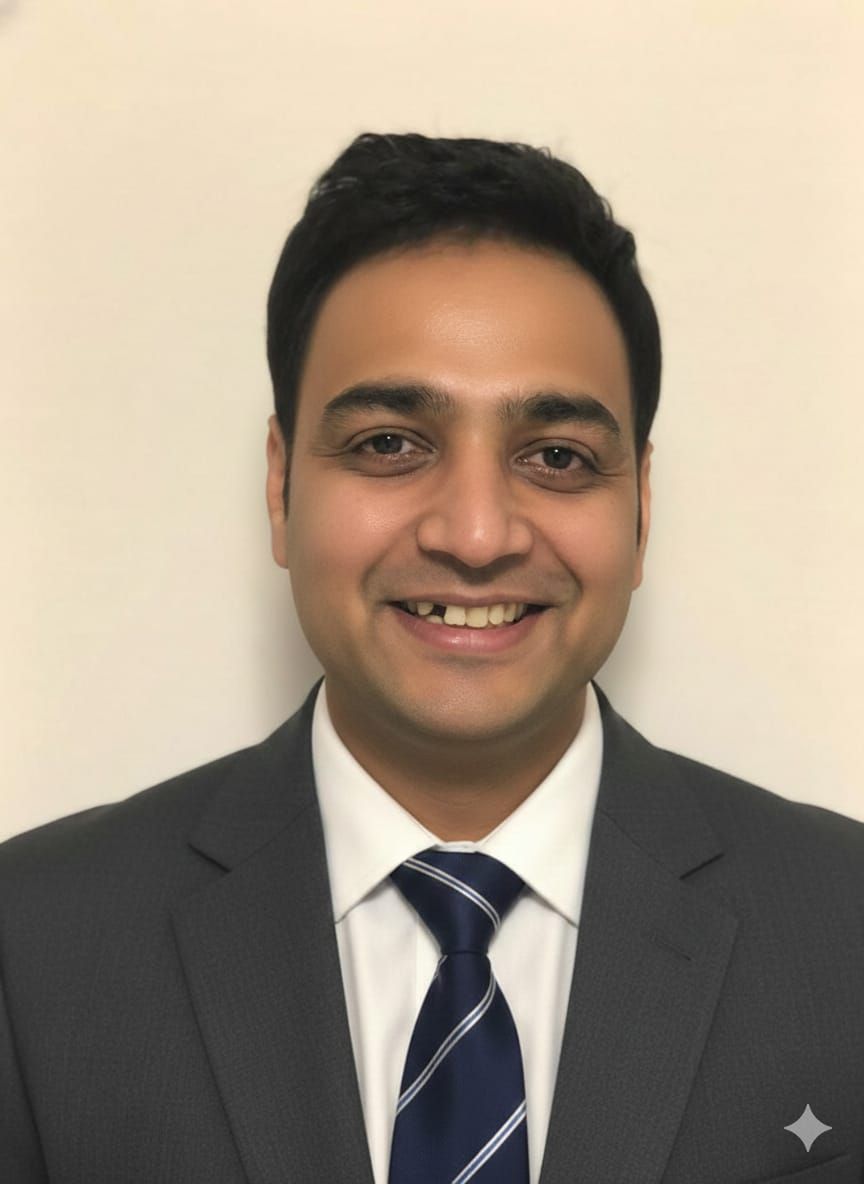
About Dr. Nishant Mittal
Dr. Nishant Mittal is a highly accomplished researcher with over 13 years of experience in the fields of cardiovascular biology and cancer research. Significant contributions to stem cell biology, developmental biology, and innovative research techniques mark his career. Research Highlights Dr. Mittal's research has focused on several key areas: 1) Cardio…
✓ Reviewed for medical accuracy by the CancerFax review panel.
Medical Disclaimer
This article is for educational purposes only and should not replace medical advice, diagnosis, or treatment from a qualified oncology specialist. Every patient's case is different. Treatment decisions should always be made after a review of complete medical records by the treating medical team.
Treatment availability, eligibility, timelines, and access can change. Any clinical trial participation depends on detailed review and approval by the trial hospital or investigator.