

In this article
Introduction
Diffuse midline glioma (DMG) remains one of the most aggressive and devastating brain tumors in children and young adults. Surgical removal is often impossible due to its deep-seated midline location in the brain or spinal cord. At the forefront of combating this lethal disease is Dr. Zhang Wei, Deputy Chief Physician at Tsinghua University School of Medicine, whose pioneering work in epigenetic-based immunotherapy is offering renewed hope.
Medical Expertise and Vision
Dr. Zhang Wei is an acclaimed neurosurgeon with extensive experience in minimally invasive surgery for central nervous system tumors. As the head of Tsinghua’s first disease-centric interdisciplinary team for DMG, he combines clinical precision with molecular science to explore cutting-edge treatment modalities.
His team’s work at Tsinghua Chang Gung Memorial Hospital represents a transformative approach—merging personalized medicine with translational research.
Research Focus: A New Frontier in DMG Therapy
Dr. Zhang’s research spans several high-impact areas, including:
Epigenetic Mechanisms of DMG: Exploring how DNA methylation and histone modification drive tumor growth.
Immunotherapy Based on Epigenetic Reprogramming: Developing therapies that make tumors more susceptible to immune attack.
DMG Liquid Biopsy & Molecular Imaging: Innovating less invasive diagnostics and real-time monitoring tools.
Biomarker Discovery: Identifying early detection and prognosis markers for effective disease management.
His projects have received funding from national bodies,s including the National Natural Science Foundation of China, and he has contributed over 50 SCI-indexed publications.
Academic and Global Collaborations
Dr. Zhang’s academic pedigree includes training at Harvard University’s Massachusetts General Hospital, where he completed postdoctoral research and a joint doctoral program. He has also held prominent academic and clinical roles at the Fourth Military Medical University.
He is actively involved in national and international neurosurgical societies, contributing to the fields of neuro-oncology, spinal neurosurgery, and neurorepair.
Recognition and Awards
Dr. Zhang’s groundbreaking work has garnered:
Multiple government-backed research grants
Two second-place awards for scientific progress in Shaanxi Province
Several patents in neurosurgical techniques and diagnostics
Why Dr. Zhang Wei Matters to Global Cancer Patients
Patients and families battling DMG often face bleak prognoses due to limited treatment options. Dr. Zhang Wei’s integrative strategy—combining epigenetics, immunotherapy, and precision diagnostics—may redefine how this cancer is treated worldwide.
Through his leadership at Tsinghua University, China is becoming a pivotal player in brain cancer innovation, making advanced clinical trials and therapies more accessible to international patients.
Conclusion
Dr. Zhang Wei stands at the intersection of hope and science. His commitment to improving outcomes in Diffuse Midline Glioma through novel epigenetic-based therapies makes him a global pioneer in neuro-oncology.
If you or your loved one is facing DMG or another complex brain tumor, CancerFax can connect you to Tsinghua University’s advanced research teams and global experts like Dr. Zhang Wei.
How CancerFax Helps
CancerFax is a specialist cancer access and patient-navigation platform. We help patients and families understand their options, organise medical records, coordinate hospital communication, and support cross-border treatment planning where appropriate.
We help collect and organise reports, scans, pathology, biomarker results, and treatment history for structured case review.
We communicate with hospitals or trial teams to assess whether a case may be suitable for further screening.
We support appointment coordination, document submission, translation, and direct communication with international departments.
For international patients, we help with practical coordination — travel planning, hospital admission guidance, and local support.
If this option is not suitable, we help explore other relevant treatments, clinical trials, or advanced care pathways.
From inquiry through to follow-up, our coordinators provide a single point of contact for the family.
CancerFax does not guarantee treatment access, eligibility, or clinical outcome. Our role is to help patients access accurate information, structured review, and appropriate specialist pathways.
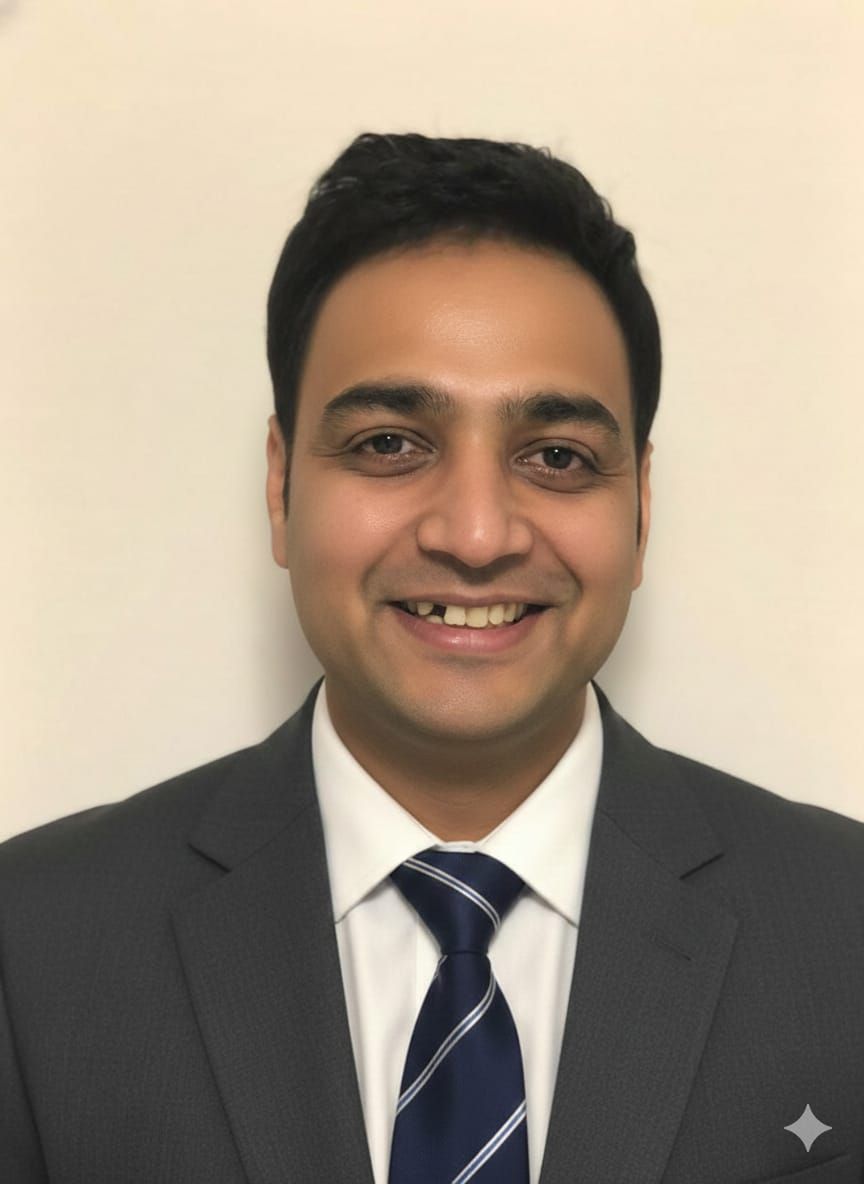
About Dr. Nishant Mittal
Dr. Nishant Mittal is a highly accomplished researcher with over 13 years of experience in the fields of cardiovascular biology and cancer research. Significant contributions to stem cell biology, developmental biology, and innovative research techniques mark his career. Research Highlights Dr. Mittal's research has focused on several key areas: 1) Cardio…
✓ Reviewed for medical accuracy by the CancerFax review panel.
Medical Disclaimer
This article is for educational purposes only and should not replace medical advice, diagnosis, or treatment from a qualified oncology specialist. Every patient's case is different. Treatment decisions should always be made after a review of complete medical records by the treating medical team.
Treatment availability, eligibility, timelines, and access can change. Any clinical trial participation depends on detailed review and approval by the trial hospital or investigator.