
In this article
Neuroblastoma and Childhood Cancer Differences
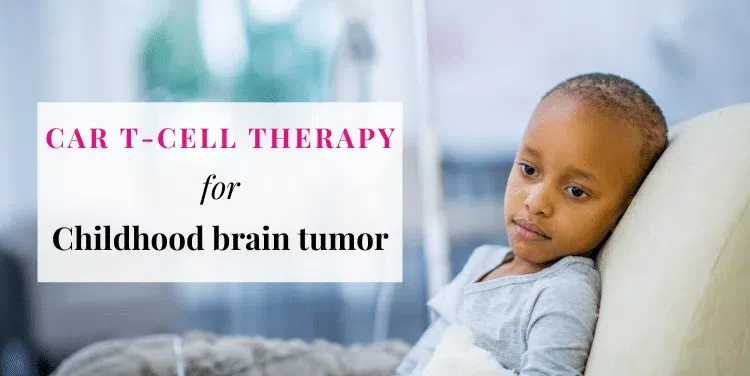
Dec 2021: CAR T-Cell therapy is currently approved for some forms of leukemia, lymphoma, and multiple myeloma. Researchers have now also developed the corresponding GD2 CAR T-cell therapy for the treatment of neuroblastoma, i.e., childhood brain tumors. Lung cancer, stomach cancer, liver cancer, breast cancer, and other adult cancers have the highest incidence. When discussing children’s cancer, many people instinctively believe that it is identical to adult cancer.
However, whether it is the cause of cancer or the type of cancer, there is a significant difference between childhood cancer and adult cancer. The most frequent childhood tumour is neuroblastoma, which is more common than lung cancer, gastric cancer, and other cancers. Neuroblastoma can account for half of all cancers in children under the age of five, greatly exceeding the proportion of various malignancies in adult cancers.
However, the 5-year survival rate for neuroblastoma patients is still not particularly great, and close to 40% to 50% of patients are still unable to achieve a long-term cure. Similarly, if the tumour returns, the child is still at risk, similar to what happens when an adult cancer returns.
Is there a new treatment available?
CAR-T cell therapy has opened up a whole new universe in the field of advanced relapse and refractory B-cell cancers in recent years, and it has also allowed people to witness how effective it can be.
As a result, researchers have created a GD2-CAR-T cell therapy for the treatment of neuroblastoma for the matching target of neuroblastoma. The findings of the clinical study were published in the most recent issue of “Science Translational Medicine.”
This trial included a total of 12 children with relapsed/refractory neuroblastoma. Overall, the medication was well tolerated, and no off-target effects were seen. Despite the fact that it did not reach an objective clinical response, researchers noticed a real therapeutic benefit in some individuals.
Patient Case Studies and Clinical Responses
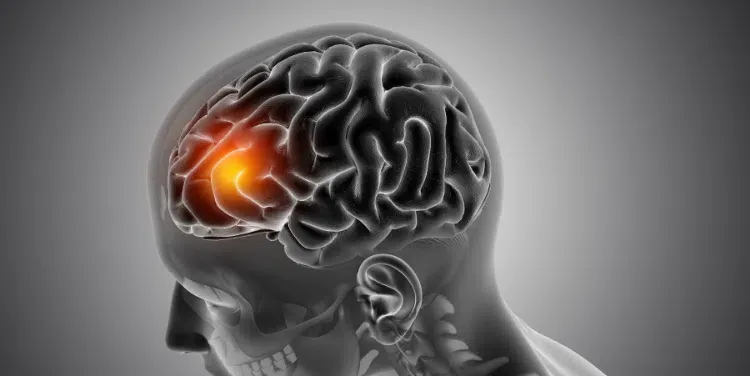
Patient 25/010 is an 8-year-old girl with large-scale neuroblastoma metastases, including significant bone metastases (recurrence after fourth-line treatment). The general condition has improved dramatically after 28 days of CAR-T cell therapy, and the tumour tissue has also shown widespread tumour necrosis.
Patient 25/013 is a 10-year-old girl who has had five treatments for multiple recurrent localised neuroblastomas. There were tumour nodules in the neck before therapy, but no distant metastases. An MRI showed that the tumour had shrunk after treatment. Following a tumour biopsy, it was discovered that the tumour had significant necrosis.
Patient 25/018 is a 10-year-old child who has recurrent neuroblastoma that has spread throughout his body. He had three sessions before and after, and his problems were eased as a result of the therapies.
Long-term Efficacy and Future Combinations
However, while this study has demonstrated that the treatment is effective, after experiencing the peak of CAR-T cell therapy, the long-term expansion of CAR-T cells is not visible, making the treatment effect ineffective. It finally resulted in tumour recurrence, however, before that, this therapy helped 013 and 018 live for approximately 5 months longer.
Although this new CAR-T cell therapy cannot match the efficacy and durability of CD19-CAR-T cell therapy in haematological cancers, it demonstrates that CAR-T cell therapy can still be employed in the entity once a suitable target is identified. In the treatment of tumours, it has potent anti-tumor effects. To improve its therapeutic efficacy in solid malignancies, researchers will combine CAR-T activation with immune checkpoint drugs (PD-1 inhibitors).
The safety of this solid tumour CAR-T cell treatment is currently assured. The patient got CRS as a result of the medication, although no major neurotoxic reactions occurred. Medical teams receiving CAR-T cell therapy may soon have to respond to CRS as a matter of course. CAR-T cell therapy still has a long way to go in terms of overcoming solid tumours, but it will get there someday.
How CancerFax Helps
CancerFax is a specialist cancer access and patient-navigation platform. We help patients and families understand their options, organise medical records, coordinate hospital communication, and support cross-border treatment planning where appropriate.
We help collect and organise reports, scans, pathology, biomarker results, and treatment history for structured case review.
We communicate with hospitals or trial teams to assess whether a case may be suitable for further screening.
We support appointment coordination, document submission, translation, and direct communication with international departments.
For international patients, we help with practical coordination — travel planning, hospital admission guidance, and local support.
If this option is not suitable, we help explore other relevant treatments, clinical trials, or advanced care pathways.
From inquiry through to follow-up, our coordinators provide a single point of contact for the family.
CancerFax does not guarantee treatment access, eligibility, or clinical outcome. Our role is to help patients access accurate information, structured review, and appropriate specialist pathways.

About Susan Hau
Susan Hau is a distinguished researcher in the field of cancer cell therapy, with a particular focus on T cell-based approaches and cancer vaccines. Her work spans several innovative treatment modalities, including CAR T-cell therapy, TIL (Tumor-Infiltrating Lymphocyte) therapy, and NK (Natural Killer) cell therapy. Hau's expertise lies in cancer cell biolo…
✓ Reviewed for medical accuracy by the CancerFax review panel.
Medical Disclaimer
This article is for educational purposes only and should not replace medical advice, diagnosis, or treatment from a qualified oncology specialist. Every patient's case is different. Treatment decisions should always be made after a review of complete medical records by the treating medical team.
Treatment availability, eligibility, timelines, and access can change. Any clinical trial participation depends on detailed review and approval by the trial hospital or investigator.