

In this article
CAR T-cell immunotherapy has proven to be the most successful treatment for B-cell leukaemia and lymphoma patients, but extending its benefits to solid tumours such as breast cancer has remained a significant challenge. Unlike non-solid malignancies where CAR T cells can effectively target the bone marrow and lymphatic system, solid tumours present a hostile microenvironment that prevents infused T cells from persisting and expanding at the tumour site, even when they do manage to migrate there. Jonathan S. Serody, MD, the Elizabeth Thomas Professor of Medicine, Microbiology, and Immunology and director of UNC Lineberger's Immunotherapy Program, noted that while CAR T cells have been shown to be safe for patients with solid tumours, they have not been able to cause significant tumour regression in the vast majority of treated patients, making the development of new strategies to improve their effectiveness a critical area of research.
Researchers at the UNC Lineberger Comprehensive Cancer Center focused their efforts on Th17 and Tc17 cells, which demonstrate superior survival capacities and have been shown to persist longer in the tumour microenvironment, using two small compounds known as STING agonists — DMXAA and cGAMP — to promote their accumulation around solid tumours. While DMXAA performed well in mouse models, it failed to show benefit in human clinical trials because it does not activate human STING, whereas cGAMP activates human STING, has been shown to improve human immunity, and is also effective in mice. In Serody's experiments, mice injected with cGAMP showed increased T cell proliferation and migration to the tumour location, resulting in significantly slowed tumour growth and improved survival, findings published in the Journal of Experimental Medicine that researchers believe could be a game-changer for cancer therapy targeting a large variety of solid tumour diseases.
How CancerFax Helps
CancerFax is a specialist cancer access and patient-navigation platform. We help patients and families understand their options, organise medical records, coordinate hospital communication, and support cross-border treatment planning where appropriate.
We help collect and organise reports, scans, pathology, biomarker results, and treatment history for structured case review.
We communicate with hospitals or trial teams to assess whether a case may be suitable for further screening.
We support appointment coordination, document submission, translation, and direct communication with international departments.
For international patients, we help with practical coordination — travel planning, hospital admission guidance, and local support.
If this option is not suitable, we help explore other relevant treatments, clinical trials, or advanced care pathways.
From inquiry through to follow-up, our coordinators provide a single point of contact for the family.
CancerFax does not guarantee treatment access, eligibility, or clinical outcome. Our role is to help patients access accurate information, structured review, and appropriate specialist pathways.
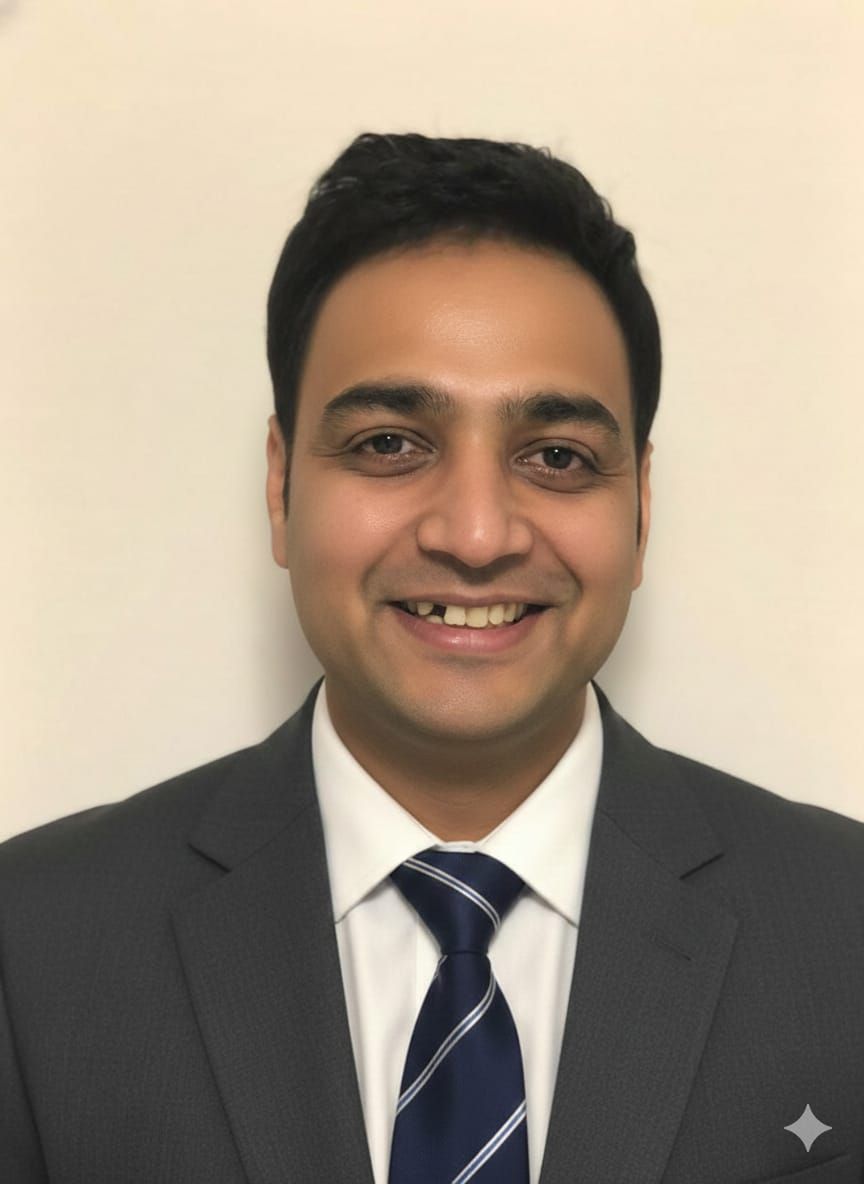
About Dr. Nishant Mittal
Dr. Nishant Mittal is a highly accomplished researcher with over 13 years of experience in the fields of cardiovascular biology and cancer research. Significant contributions to stem cell biology, developmental biology, and innovative research techniques mark his career. Research Highlights Dr. Mittal's research has focused on several key areas: 1) Cardio…
✓ Reviewed for medical accuracy by the CancerFax review panel.
Medical Disclaimer
This article is for educational purposes only and should not replace medical advice, diagnosis, or treatment from a qualified oncology specialist. Every patient's case is different. Treatment decisions should always be made after a review of complete medical records by the treating medical team.
Treatment availability, eligibility, timelines, and access can change. Any clinical trial participation depends on detailed review and approval by the trial hospital or investigator.