

In this article
Due to long-term irregular diets or a preference for spicy and irritating foods, many people face gastroenteritis that, if left unattended, can lead to cell mutation and eventually gastric cancer. Understanding which dietary habits contribute to this risk is an important first step in prevention.
Frequently eating smoked foods is one significant risk factor, as carcinogen benzopyrene is produced in large quantities during the smoking process, and proteins are easily decomposed to produce mutagens in high-temperature environments. The nitrate and nitrite content in drinking water and food is another concern — in areas with high incidence of gastric cancer, the levels of these substances in tap water and grains are significantly higher than in low-incidence areas, as they can form nitrosamines in the stomach, which are highly carcinogenic compounds. Regularly eating preserved foods also elevates risk considerably. Studies show that those who consume westernized diets — which include more fruits and vegetables such as lettuce and celery rich in vitamin C, as well as dairy products like milk — have a much lower incidence of stomach cancer compared to those who rely heavily on pickled and preserved foods.
The EDGE tumor non-invasive radiosurgery treatment system, approved by the US FDA in 2014, is currently regarded as one of the most effective tumor radiosurgery systems available. It delivers radiation therapy that uses high-precision beams — including α, β, and γ rays from radioisotopes, as well as x-rays, electron rays, and proton beams — to target and destroy tumor cells with minimal damage to surrounding healthy tissue. About 70% of cancer patients require radiation therapy during their treatment, and approximately 40% of cancers can be cured by radiotherapy, making it one of the primary tools in the fight against malignant tumors.
The speed knife system is particularly effective for solid tumors that are difficult to treat with conventional surgery, including head tumors, lung cancer, breast cancer, spinal tumors, and liver cancer. It offers treatment outcomes that are difficult to achieve with conventional surgery and radiotherapy equipment, making it a valuable option for patients who are not surgical candidates. However, as with any treatment method, certain side effects may occur, and patients must follow their doctor's pre-operative and post-operative guidance closely. Maintaining a relaxed and positive mental state throughout treatment is also considered important in supporting the body's ability to manage and control cancer cell spread.
How CancerFax Helps
CancerFax is a specialist cancer access and patient-navigation platform. We help patients and families understand their options, organise medical records, coordinate hospital communication, and support cross-border treatment planning where appropriate.
We help collect and organise reports, scans, pathology, biomarker results, and treatment history for structured case review.
We communicate with hospitals or trial teams to assess whether a case may be suitable for further screening.
We support appointment coordination, document submission, translation, and direct communication with international departments.
For international patients, we help with practical coordination — travel planning, hospital admission guidance, and local support.
If this option is not suitable, we help explore other relevant treatments, clinical trials, or advanced care pathways.
From inquiry through to follow-up, our coordinators provide a single point of contact for the family.
CancerFax does not guarantee treatment access, eligibility, or clinical outcome. Our role is to help patients access accurate information, structured review, and appropriate specialist pathways.
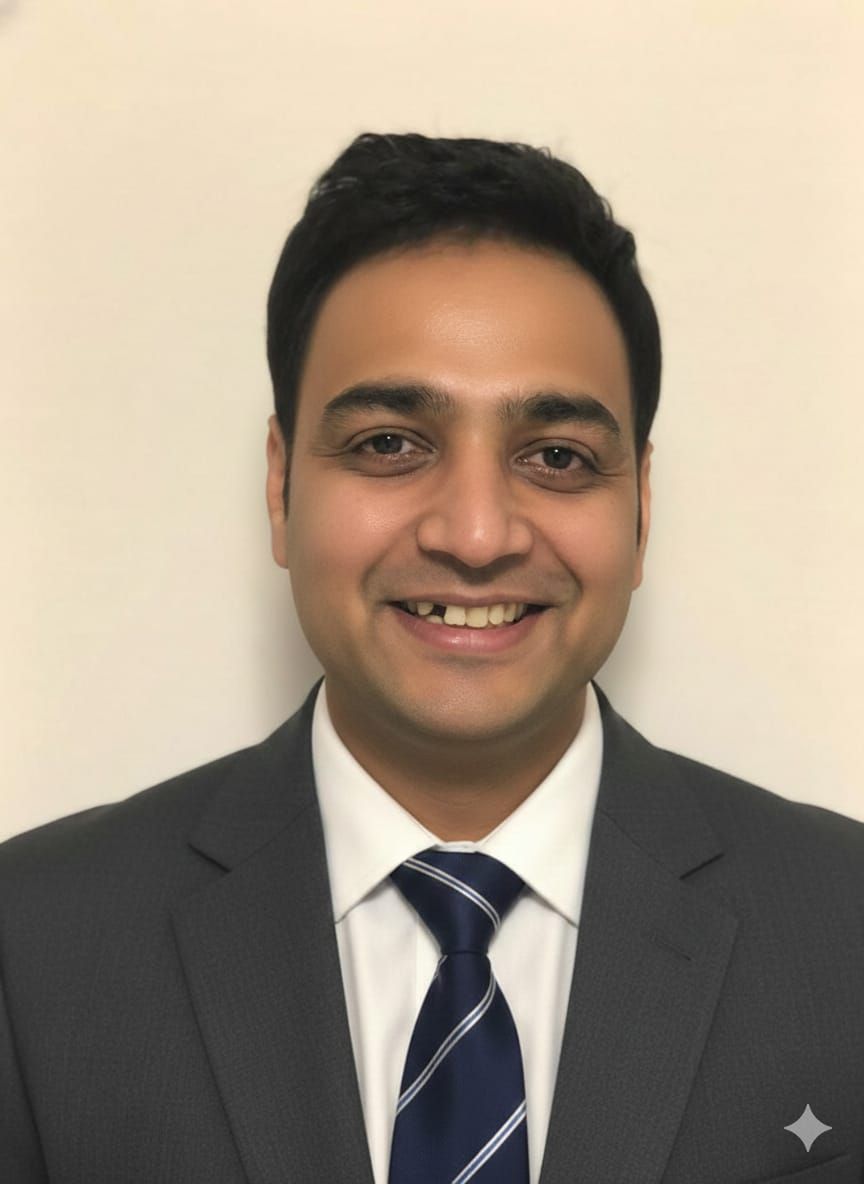
About Dr. Nishant Mittal
Dr. Nishant Mittal is a highly accomplished researcher with over 13 years of experience in the fields of cardiovascular biology and cancer research. Significant contributions to stem cell biology, developmental biology, and innovative research techniques mark his career. Research Highlights Dr. Mittal's research has focused on several key areas: 1) Cardio…
✓ Reviewed for medical accuracy by the CancerFax review panel.
Medical Disclaimer
This article is for educational purposes only and should not replace medical advice, diagnosis, or treatment from a qualified oncology specialist. Every patient's case is different. Treatment decisions should always be made after a review of complete medical records by the treating medical team.
Treatment availability, eligibility, timelines, and access can change. Any clinical trial participation depends on detailed review and approval by the trial hospital or investigator.