

In this article
Hepatitis C is primarily to blame for liver cancer, one of the deadliest cancers. In addition, complications of fatty liver disease are also a cause of liver cancer. At present, researchers are trying to treat liver cancer by improving microbubbles. Microbubbles, including a sturdy outer shell and small gas bubbles inside, work by inserting glass radiation beads into the liver and then injecting the microbubbles into the blood. The therapy is usually used in combination with radiation therapy for the treatment of advanced liver cancer.
Dr. John Eisenbrey, a radiology researcher at Thomas Jefferson University, explained: "Focusing the ultrasound beam on the liver tumor, the bubbles participate in the blood circulation in the body. The ultrasound only focuses on the tumor itself and does not affect the surrounding healthy tissue, generating bubbles only inside the tumor. The blood supply through the catheter is deposited solely in the tumor. When the bubbles burst, it enhances the radiation effect." The therapy works by destroying the blood supply and starving the tumor, causing it to shrink over time. It is still in the early stages of clinical trials but has already shown good results.
Currently, researchers are using commercial bubbles outside the label while simultaneously working with chemists and engineers to load chemotherapy drugs, oxygen, and other compositions into microbubbles so they can circulate in the blood. The goal is to achieve a dual effect — shrinking tumors and extending the life of patients — by making microbubbles not just a radiation enhancer but also a precision drug delivery system. This next phase of development could represent a significant leap forward in non-invasive, targeted liver cancer treatment.
How CancerFax Helps
CancerFax is a specialist cancer access and patient-navigation platform. We help patients and families understand their options, organise medical records, coordinate hospital communication, and support cross-border treatment planning where appropriate.
We help collect and organise reports, scans, pathology, biomarker results, and treatment history for structured case review.
We communicate with hospitals or trial teams to assess whether a case may be suitable for further screening.
We support appointment coordination, document submission, translation, and direct communication with international departments.
For international patients, we help with practical coordination — travel planning, hospital admission guidance, and local support.
If this option is not suitable, we help explore other relevant treatments, clinical trials, or advanced care pathways.
From inquiry through to follow-up, our coordinators provide a single point of contact for the family.
CancerFax does not guarantee treatment access, eligibility, or clinical outcome. Our role is to help patients access accurate information, structured review, and appropriate specialist pathways.
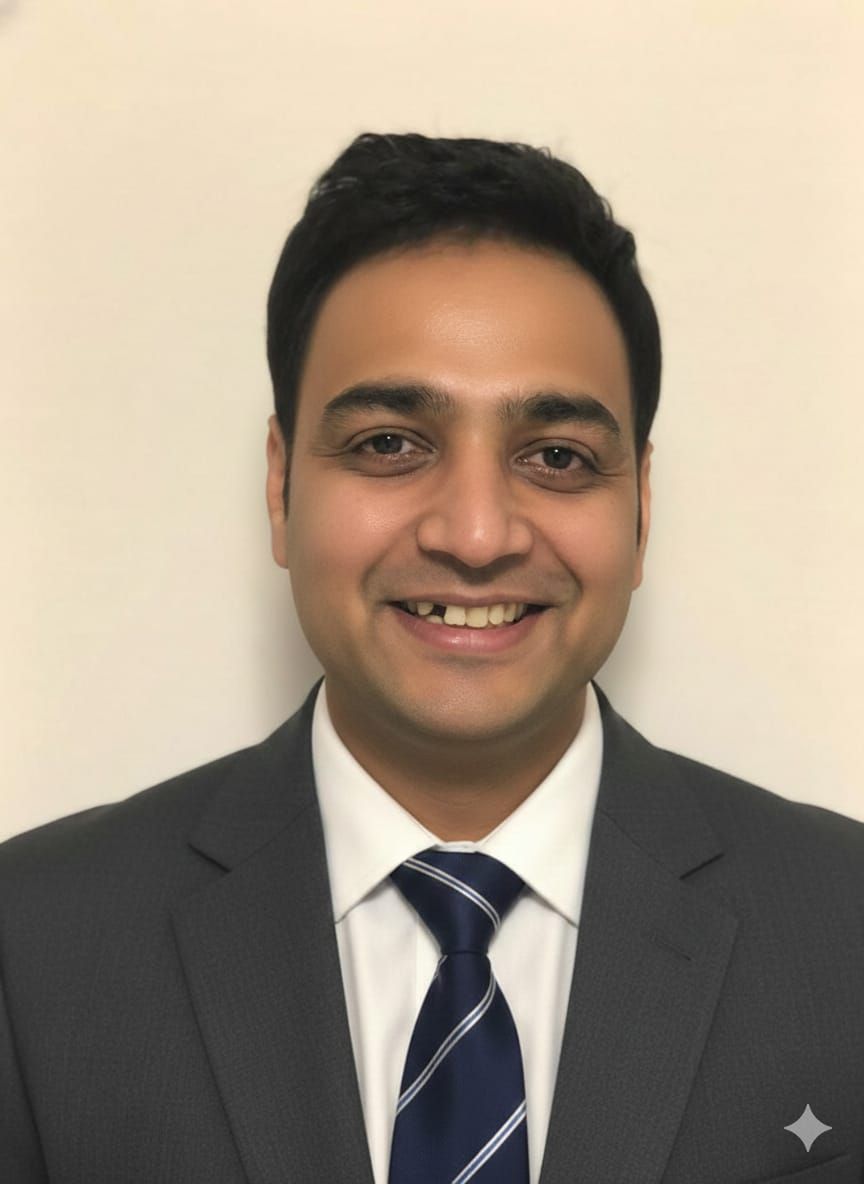
About Dr. Nishant Mittal
Dr. Nishant Mittal is a highly accomplished researcher with over 13 years of experience in the fields of cardiovascular biology and cancer research. Significant contributions to stem cell biology, developmental biology, and innovative research techniques mark his career. Research Highlights Dr. Mittal's research has focused on several key areas: 1) Cardio…
✓ Reviewed for medical accuracy by the CancerFax review panel.
Medical Disclaimer
This article is for educational purposes only and should not replace medical advice, diagnosis, or treatment from a qualified oncology specialist. Every patient's case is different. Treatment decisions should always be made after a review of complete medical records by the treating medical team.
Treatment availability, eligibility, timelines, and access can change. Any clinical trial participation depends on detailed review and approval by the trial hospital or investigator.