

In this article
Liver cancer is a typical vascular-rich tumor, and tumor blood vessels play a very important role in its development. Therefore, current targeted therapy for liver cancer is carried out around anti-angiogenesis, which has become a very important strategy in clinical practice.
The REACH-2 trial was carried out on the basis of the earlier REACH trial, with Professor Andrew X. Zhu of Massachusetts General Hospital at Harvard University serving as the global principal investigator. For liver cancer patients who failed Sorafenib treatment, the REACH trial compared Ramucirumab with placebo in second-line treatment but did not achieve the expected overall results. However, its subgroup analysis revealed that patients with AFP (alpha-fetoprotein) levels over 400 ng/mL could specifically benefit from Ramucirumab treatment. This led Professor Zhu to lead the REACH-2 trial, which confirmed that Ramucirumab benefits patients in both overall survival and progression-free survival time compared with placebo. This trial has landmark significance, further proving that anti-angiogenesis treatment with macromolecular monoclonal antibodies can achieve clinically meaningful survival benefits in the second-line treatment of liver cancer.
At present, oxaliplatin has been approved as a standard treatment plan in both domestic and European settings. For small-molecule targeted drugs, sorafenib and lenvatinib are used for first-line therapy, while regorafenib and cabozantinib are used for second-line therapy. For large-molecule drugs, both Nivolumab and Ramucirumab are available treatment choices.
In addition, many liver cancer patients also have underlying hepatitis, meaning the same patient faces two completely different diseases in the same organ at the same time — basic liver disease including viral hepatitis, alcoholic liver disease, fatty liver, or cirrhosis on one hand, and advanced liver cancer on the other. These two diseases affect each other and form a vicious cycle, making it essential to give due consideration to both during the diagnosis and treatment process. In recent years, it has been increasingly advocated that antiviral treatment and liver protection treatment be carried out simultaneously, representing another meaningful step forward in the comprehensive management of liver cancer.
How CancerFax Helps
CancerFax is a specialist cancer access and patient-navigation platform. We help patients and families understand their options, organise medical records, coordinate hospital communication, and support cross-border treatment planning where appropriate.
We help collect and organise reports, scans, pathology, biomarker results, and treatment history for structured case review.
We communicate with hospitals or trial teams to assess whether a case may be suitable for further screening.
We support appointment coordination, document submission, translation, and direct communication with international departments.
For international patients, we help with practical coordination — travel planning, hospital admission guidance, and local support.
If this option is not suitable, we help explore other relevant treatments, clinical trials, or advanced care pathways.
From inquiry through to follow-up, our coordinators provide a single point of contact for the family.
CancerFax does not guarantee treatment access, eligibility, or clinical outcome. Our role is to help patients access accurate information, structured review, and appropriate specialist pathways.
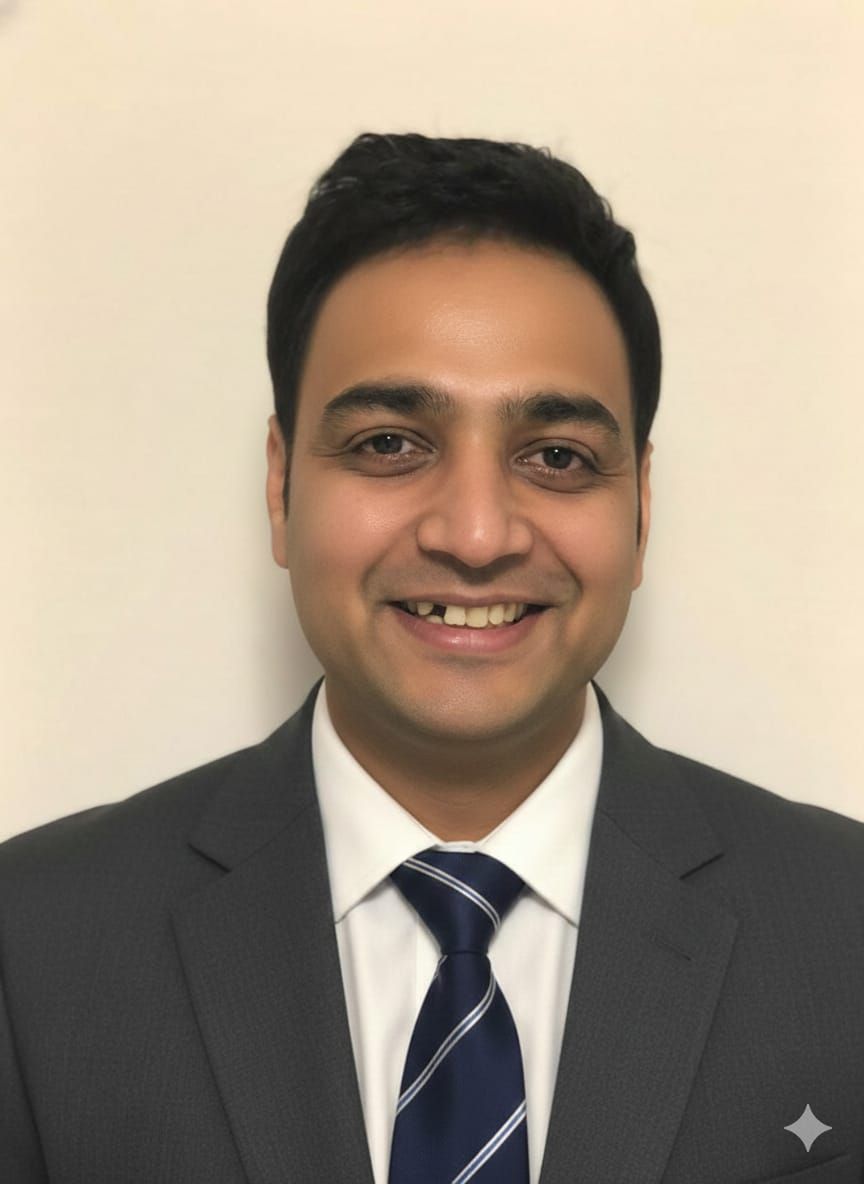
About Dr. Nishant Mittal
Dr. Nishant Mittal is a highly accomplished researcher with over 13 years of experience in the fields of cardiovascular biology and cancer research. Significant contributions to stem cell biology, developmental biology, and innovative research techniques mark his career. Research Highlights Dr. Mittal's research has focused on several key areas: 1) Cardio…
✓ Reviewed for medical accuracy by the CancerFax review panel.
Medical Disclaimer
This article is for educational purposes only and should not replace medical advice, diagnosis, or treatment from a qualified oncology specialist. Every patient's case is different. Treatment decisions should always be made after a review of complete medical records by the treating medical team.
Treatment availability, eligibility, timelines, and access can change. Any clinical trial participation depends on detailed review and approval by the trial hospital or investigator.