

In this article
Stereotactic body radiation therapy
Stereotactic body radiation therapy (SBRT), also known as stereotactic ablative radiotherapy (SABR). Since its application in the mid-1990s, SBRT has distinguished itself in the radical treatment of most tumors because of its high tumor control rate, good tolerance of normal tissues, long survival time and extremely convenient patients. Early lung cancer has become a beneficiary of this technology. SBRT is an effective low-segment non-invasive ablation treatment that can be performed in an outpatient clinic. It is usually treated 1-5 times, once a day or every other day.
The EDGE radiosurgery system applied by Henry Ford Hospital in the United States is a generation of SBRT. It is the most cutting-edge non-invasive tumor clearing technology to date. It can shorten the radiotherapy treatment time for lung cancer to 10-15 minutes, and the entire treatment is completed in 5 days. . Most patients can return to normal life immediately after treatment.
SBRT for lung cancer that cannot be surgically removed
RTOG 0236 is the first multi-center clinical study in North America to treat SBRT for clinically inoperable early lung cancer. The RTOG 0236 clinical study started in 2004 and treated 57 patients in total. In 2006, patients were enrolled. The clinical results are quite good: the 3-year primary tumor control rate reaches 98%, and the survival rate is 56%.
Applying SBRT to surgically resected lung cancer
The treatment results of SBRT for inoperable lung cancer show that it can effectively eliminate the primary tumor, and the tolerance is also better in this part of high-risk population. In view of this, the possibility of its application in patients with operable lung cancer has received attention. The clinical results show that as long as a reasonable radiation dose is given, SBRT treatment can obtain a therapeutic effect that is quite close to that of surgical resection or even lobectomy.
Speed front knife is the most advanced SBRT treatment technology to date
The EDGE tumor noninvasive radiosurgery treatment system is a cancer treatment system approved by the US FDA in 2014. It is by far the most effective tumor radiosurgery system. It is difficult to perform routine surgery on tumors such as head tumors, lung cancer, and spine tumors. , Liver cancer and other solid tumors have treatment effects that are difficult to achieve with conventional surgery and radiotherapy equipment, and are the best choice for cancer patients to remove tumor lesions so far.
Since April 2014, the world’s first EDGE tumor noninvasive radiotherapy system has been operating in the entire system of Henry Ford Hospital in the United States. It has treated more than 400 tumor patients, and the treatment satisfaction rate (Tumor Co ntrol Rate) is greater than 95%. And no adverse reactions occurred. Among these tumor patients, brain tumors (including primary and metastatic brain tumors) accounted for 31%, lung cancer accounted for 29%, spinal tumors accounted for 23%, gastrointestinal tumors accounted for 9%, and adrenal cancer accounted for 7%.
How CancerFax Helps
CancerFax is a specialist cancer access and patient-navigation platform. We help patients and families understand their options, organise medical records, coordinate hospital communication, and support cross-border treatment planning where appropriate.
We help collect and organise reports, scans, pathology, biomarker results, and treatment history for structured case review.
We communicate with hospitals or trial teams to assess whether a case may be suitable for further screening.
We support appointment coordination, document submission, translation, and direct communication with international departments.
For international patients, we help with practical coordination — travel planning, hospital admission guidance, and local support.
If this option is not suitable, we help explore other relevant treatments, clinical trials, or advanced care pathways.
From inquiry through to follow-up, our coordinators provide a single point of contact for the family.
CancerFax does not guarantee treatment access, eligibility, or clinical outcome. Our role is to help patients access accurate information, structured review, and appropriate specialist pathways.
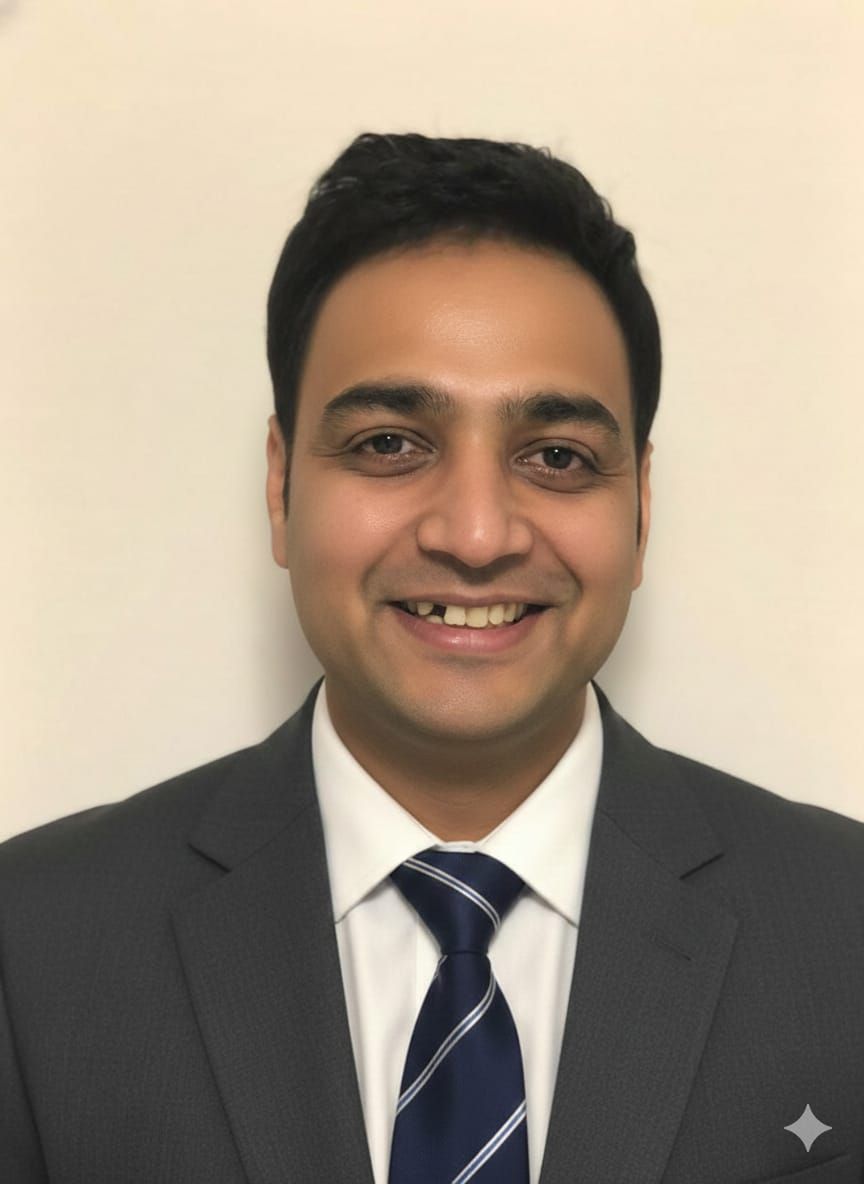
About Dr. Nishant Mittal
Dr. Nishant Mittal is a highly accomplished researcher with over 13 years of experience in the fields of cardiovascular biology and cancer research. Significant contributions to stem cell biology, developmental biology, and innovative research techniques mark his career. Research Highlights Dr. Mittal's research has focused on several key areas: 1) Cardio…
✓ Reviewed for medical accuracy by the CancerFax review panel.
Medical Disclaimer
This article is for educational purposes only and should not replace medical advice, diagnosis, or treatment from a qualified oncology specialist. Every patient's case is different. Treatment decisions should always be made after a review of complete medical records by the treating medical team.
Treatment availability, eligibility, timelines, and access can change. Any clinical trial participation depends on detailed review and approval by the trial hospital or investigator.