

In this article
- Liver Transplantation for Alcohol-Related Cirrhosis: Eligibility and Outcomes
- Eligibility Criteria for Liver Transplantation in Alcohol-Related Cirrhosis
- The Liver Transplant Process for Alcohol-Related Cirrhosis
- Outcomes and Success Rates of Liver Transplantation for Alcohol-Related Cirrhosis
- Ethical Considerations and Prevention of Alcohol-Related Cirrhosis
- Liver Transplant in India for Alcohol-Related Cirrhosis
- How CancerFax Helps
Liver transplantation is a life-saving intervention for end-stage liver disease patients, including alcohol-related cirrhosis (ALC) patients. Alcohol-related cirrhosis is the result of chronic excessive alcohol use, which causes permanent damage to the liver and eventually, liver failure.
Although a liver transplant can provide a second chance at life, strict criteria for eligibility and post-transplant management are required to guarantee successful results. This blog discusses the candidacy criteria, the transplant procedure, and long-term results for alcoholic cirrhosis patients.
Cirrhosis happens when liver tissue is replaced with scar tissue, which renders the organ ineffective. Chronic alcohol use is one of the top causes of cirrhosis and is responsible for nearly half of all deaths due to liver disease globally. The process of the disease goes through a number of stages, from fatty liver disease to alcoholic hepatitis and finally cirrhosis. Once cirrhosis sets in advanced, liver transplant is the only effective form of treatment.
Eligibility for a liver transplant in alcohol-related cirrhosis patients is determined through a comprehensive evaluation process. The primary considerations include:
1. Alcohol Abstinence Period (The 6-Month Rule)
Many transplant centers follow the "6-month rule," requiring patients to demonstrate complete abstinence from alcohol for at least six months before being considered for a transplant. This period allows for some liver function improvement and assesses the patient's commitment to long-term sobriety.
2. Psychosocial Evaluation
A thorough psychosocial evaluation is conducted to determine whether the patient can maintain lifelong abstinence post-transplant. Psychological assessments, counseling, and support from family members are crucial components of this evaluation.
3. Medical Evaluation
Patients undergo a series of medical tests, including liver function tests, imaging scans, and cardiac assessments, to ensure they are healthy enough to undergo surgery and recovery.
4. Absence of Other Major Contraindications
Some conditions disqualify a patient from receiving a liver transplant, such as active infections, advanced cancers, or severe coexisting medical conditions like uncontrolled diabetes or heart disease.
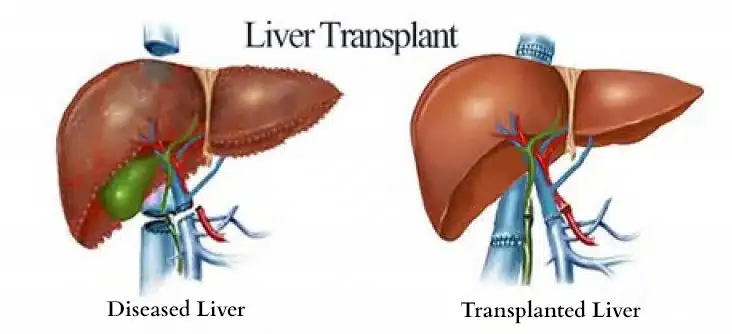
The liver transplantation procedure involves removing the diseased liver and replacing it with a healthy donor liver. The donor liver may come from either a deceased donor (cadaveric transplant) or a living donor. The transplant surgery itself takes about 6-12 hours and is followed by an extensive recovery period.
1. Pre-Transplant Preparation
Once a patient is deemed eligible, they are placed on a transplant waiting list. The waiting period varies depending on the severity of the disease and organ availability. Some patients opt for a living donor transplant, which can reduce waiting time significantly.
2. The Surgery
During the procedure, the surgeon removes the damaged liver and replaces it with the donor liver. The new liver is then connected to the patient's blood vessels and bile ducts. The success of the transplant depends on factors such as the compatibility of the donor liver and the patient's overall health.
3. Post-Transplant Care
After surgery, patients require intensive medical supervision to prevent complications. Immunosuppressive medications are prescribed to prevent organ rejection, and regular follow-ups are necessary to monitor liver function.
Liver transplantation for alcohol-related cirrhosis has shown excellent success rates when patients adhere to post-transplant care guidelines. The key factors influencing outcomes include:
1. Survival Rates
Studies indicate that the one-year survival rate after liver transplantation for ALC patients is around 85-90%, with five-year survival rates reaching 70-75%. Patients who remain abstinent from alcohol have significantly better long-term survival.
2. Risk of Alcohol Relapse
One of the biggest concerns post-transplant is the risk of alcohol relapse. Studies suggest that approximately 20-30% of ALC patients relapse at some point after transplantation. However, strong psychological support and rehabilitation programs help reduce this risk.
3. Quality of Life Improvement
Patients who successfully undergo liver transplantation experience a dramatic improvement in their quality of life. Fatigue, jaundice, and other complications associated with liver failure typically resolve, allowing patients to return to a relatively normal lifestyle.
Liver transplantation among ALC patients is ethically problematic, specifically with respect to organ allocation. Since donor organs are scarce globally, some hold the opinion that patients with alcoholic liver disease must not take precedence over patients with non-alcoholic liver diseases. Nevertheless, it has been proven that properly selected ALC patients have outcomes equal to patients who undergo transplantations for other forms of liver diseases, which merits their acceptance in liver transplant programs.
Prevention is still the best prevention against alcohol-related cirrhosis. Public health strategies, such as taxation of alcohol, awareness campaigns, and availability of addiction treatment programs, are very effective in lowering the prevalence of ALC. Those at risk should be evaluated with a medical and psychological intervention to avoid disease progression to end-stage liver disease.
Liver transplant provides a life-saving intervention for alcohol-induced liver cirrhosis patients. Nonetheless, strict selection criteria, such as abstinence, are necessary to achieve good long-term outcomes. Technological improvements in transplant medicine, surgical care, and psychosocial support have enhanced survival and the quality of life of ALC patients receiving transplantation.
Liver transplant in India has made great progress, with various hospitals providing state-of-the-art facilities. The price of a liver transplant in India is dependent on the hospital and condition of the patient, usually ranging from $25,000 to $40,000. The patients seeking the best hospital for liver transplant in India can opt for top hospitals such as Apollo Hospitals, Medanta, Venkateswara, and Max Healthcare, which have high success rates.
The success rate of liver transplants in India is at par with international standards, with survival rates being more than 85% in top centers. As the experience in the field keeps increasing, liver transplant in India is becoming increasingly popular, hence making India a top destination for patients searching for cheap yet quality medical services.
How CancerFax Helps
CancerFax is a specialist cancer access and patient-navigation platform. We help patients and families understand their options, organise medical records, coordinate hospital communication, and support cross-border treatment planning where appropriate.
We help collect and organise reports, scans, pathology, biomarker results, and treatment history for structured case review.
We communicate with hospitals or trial teams to assess whether a case may be suitable for further screening.
We support appointment coordination, document submission, translation, and direct communication with international departments.
For international patients, we help with practical coordination — travel planning, hospital admission guidance, and local support.
If this option is not suitable, we help explore other relevant treatments, clinical trials, or advanced care pathways.
From inquiry through to follow-up, our coordinators provide a single point of contact for the family.
CancerFax does not guarantee treatment access, eligibility, or clinical outcome. Our role is to help patients access accurate information, structured review, and appropriate specialist pathways.

About Dr. Nishant Mittal
Dr. Nishant Mittal is a highly accomplished researcher with over 13 years of experience in the fields of cardiovascular biology and cancer research. Significant contributions to stem cell biology, developmental biology, and innovative research techniques mark his career. Research Highlights Dr. Mittal's research has focused on several key areas: 1) Cardio…
✓ Reviewed for medical accuracy by the CancerFax review panel.
Medical Disclaimer
This article is for educational purposes only and should not replace medical advice, diagnosis, or treatment from a qualified oncology specialist. Every patient's case is different. Treatment decisions should always be made after a review of complete medical records by the treating medical team.
Treatment availability, eligibility, timelines, and access can change. Any clinical trial participation depends on detailed review and approval by the trial hospital or investigator.