

In this article
At the end of 2015, science research claimed that high doses of vitamin C can effectively kill colon cancer cells carrying common carcinogenic mutations in KRAS and BRAF. In March 2017, "Cancer Cell" magazine confirmed that regularly injecting 800–1000 times the recommended daily dose of vitamin C is safe in patients with brain and lung cancer, and can change iron metabolism and cause specific DNA damage in cancer cells, leading to cell death and effective cancer treatment. In August of the same year, journals "Cell" and "Nature" demonstrated that vitamin C can control the occurrence of hematological tumors and reverse leukemia by activating the activity of an epigenetic modification enzyme called TET2.
At the beginning of 2018, in the "Npj-Precision Medical Oncology" sub-journal of Nature, the research team of Academician Wang Hongyang from the Eastern Hepatobiliary Surgery Hospital of the Naval Military Medical University brought exciting progress — vitamin C was shown to preferentially kill cancer stem cells of liver cancer and improve the prognosis of patients.
However, only the high dose of vitamin C in the blood obtained through intravenous administration has been researched and confirmed to have an anti-cancer effect — it is not achieved by eating oranges or vitamin C tablets. When the body receives too much vitamin C through diet, it simply excretes the excess through urine, making dietary supplementation ineffective for anti-cancer purposes.
Although research has confirmed that injecting vitamin C can help fight liver cancer tumors, patients should not blindly supplement vitamin C, eat excessive amounts of vitamin C-rich fruits, or use these research findings as a basis for self-treatment. The key takeaway is clear: any use of vitamin C as part of cancer treatment should only be done under the direct guidance of a clinician.
How CancerFax Helps
CancerFax is a specialist cancer access and patient-navigation platform. We help patients and families understand their options, organise medical records, coordinate hospital communication, and support cross-border treatment planning where appropriate.
We help collect and organise reports, scans, pathology, biomarker results, and treatment history for structured case review.
We communicate with hospitals or trial teams to assess whether a case may be suitable for further screening.
We support appointment coordination, document submission, translation, and direct communication with international departments.
For international patients, we help with practical coordination — travel planning, hospital admission guidance, and local support.
If this option is not suitable, we help explore other relevant treatments, clinical trials, or advanced care pathways.
From inquiry through to follow-up, our coordinators provide a single point of contact for the family.
CancerFax does not guarantee treatment access, eligibility, or clinical outcome. Our role is to help patients access accurate information, structured review, and appropriate specialist pathways.
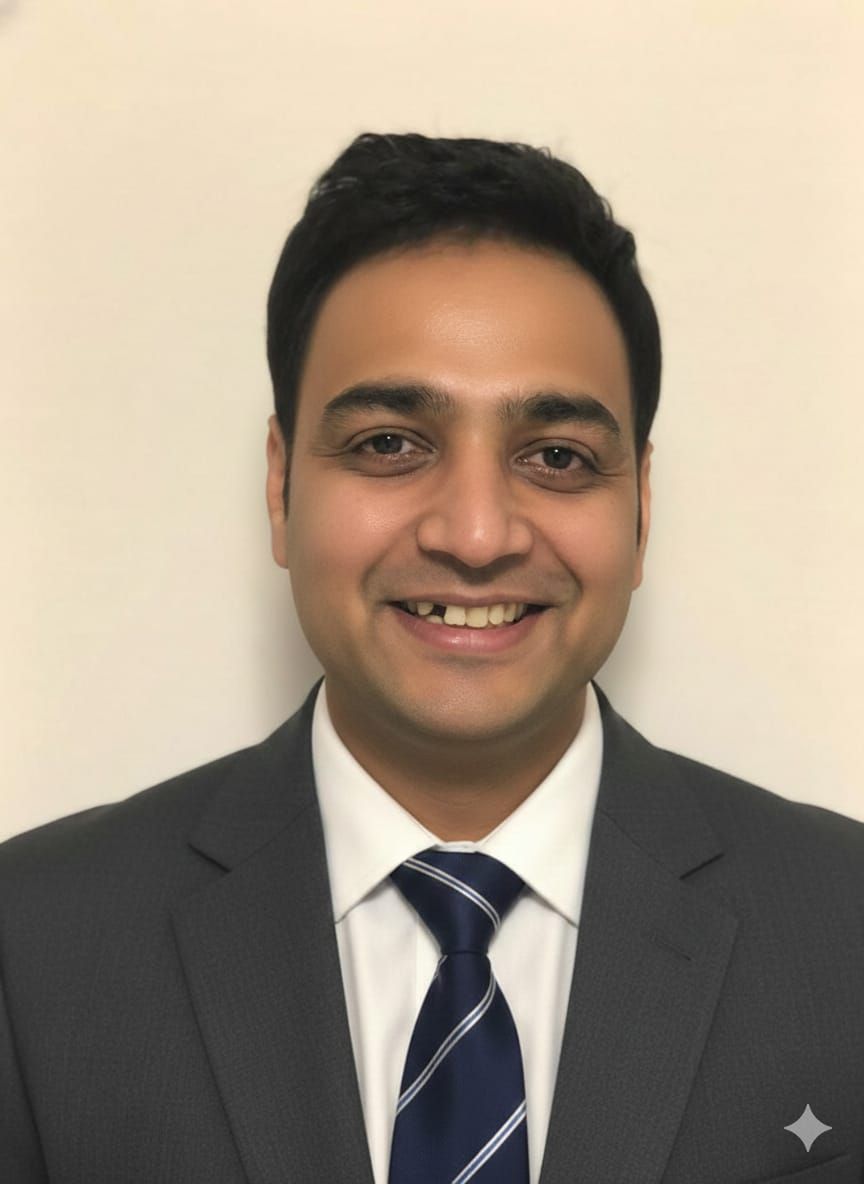
About Dr. Nishant Mittal
Dr. Nishant Mittal is a highly accomplished researcher with over 13 years of experience in the fields of cardiovascular biology and cancer research. Significant contributions to stem cell biology, developmental biology, and innovative research techniques mark his career. Research Highlights Dr. Mittal's research has focused on several key areas: 1) Cardio…
✓ Reviewed for medical accuracy by the CancerFax review panel.
Medical Disclaimer
This article is for educational purposes only and should not replace medical advice, diagnosis, or treatment from a qualified oncology specialist. Every patient's case is different. Treatment decisions should always be made after a review of complete medical records by the treating medical team.
Treatment availability, eligibility, timelines, and access can change. Any clinical trial participation depends on detailed review and approval by the trial hospital or investigator.