

In this article
Blinatumomab Improves Survival in MRD-Negative ALL
Results from a big clinical trial show that adding blinatumomab (Blincyto) to the treatment of people with acute lymphoblastic leukaemia (ALL) who are in remission, even if there are no signs of their disease, can help them live longer.
In the study, giving blinatumomab along with chemotherapy made people with cancer that had gone into remission live much longer than those who only got chemotherapy, which is the current standard treatment. Patients in the trial were not only in remission, but there was no sign of their cancer. This is called having minimum residual disease (MRD)-negative ALL.
The results of the trial were shown at the yearly meeting of the American Society of Haematology (ASH) in New Orleans in December 2022.
In 2018, the Food and Drug Administration (FDA) cleared blinatumomab to treat people with MRD-positive ALL who were in remission but still showed signs of cancer during follow-up tests. Even though recurrences after remission are always possible, people with MRD-positive ALL have a higher chance of their cancer coming back after their first treatment than those who do not have MRD.
At the ASH meeting, the results were shown for people who did not have MRD after their first medication.
At 3.5 years after starting post-remission therapy, 83% of patients treated with blinatumomab and chemotherapy were still alive, while only 65% of patients treated with chemotherapy alone were still alive.
Blinatumomab effective for MRD-negative ALL as well
B-cell ALL is the most common type of ALL in both adults and children. It is a type of blood cancer that spreads quickly and is very dangerous. Chemotherapy is the standard treatment, and it often leads to remission. However, a lot of people get sick again, even if tests done after treatment show no signs of disease.
Immunotherapy drugs have shown some promise as a way to treat cancer after it has gone into remission and lower the risk of it coming back.
A type of immunotherapy called a bispecific T-cell engager (BiTE) is what blinatumomab is. It sticks to both T cells and cancer cells at the same time. This makes it easy for T cells to find and kill the cancer cell by bringing them closer together. The drug, which is given through an IV, has been shown to be more effective than chemotherapy at treating B-ALL that has come back in children and young adults who have already been treated for it.
This trial, which is being run by the ECOG-ACRIN Cancer Research Group with help from the NCI, started in 2013 to see if blinatumomab could help people who had just been diagnosed with B-cell ALL.
Even though 488 people took part in the trial as a whole, the results shown at ASH were only for the 224 people who were in remission and MRD-negative after the usual initial chemotherapy regimens. The patients were given either more chemotherapy in addition to blinatumomab or just chemotherapy. Then, all of the subjects got chemotherapy every six months for 2.5 years. Some people also got bone marrow transplants if their doctor thought it was best.
Not only did adding blinatumomab to chemotherapy improve overall survival, but it also made patients live longer without their cancer coming back compared to those who only got chemotherapy.
Dr. Litzow said that none of the people who took blinatumomab had any unexpected side effects. Some of the most common side effects of blinatumomab are fever, responses to the infusion, headaches, infections, tremors, and chills.
How CancerFax Helps
CancerFax is a specialist cancer access and patient-navigation platform. We help patients and families understand their options, organise medical records, coordinate hospital communication, and support cross-border treatment planning where appropriate.
We help collect and organise reports, scans, pathology, biomarker results, and treatment history for structured case review.
We communicate with hospitals or trial teams to assess whether a case may be suitable for further screening.
We support appointment coordination, document submission, translation, and direct communication with international departments.
For international patients, we help with practical coordination — travel planning, hospital admission guidance, and local support.
If this option is not suitable, we help explore other relevant treatments, clinical trials, or advanced care pathways.
From inquiry through to follow-up, our coordinators provide a single point of contact for the family.
CancerFax does not guarantee treatment access, eligibility, or clinical outcome. Our role is to help patients access accurate information, structured review, and appropriate specialist pathways.
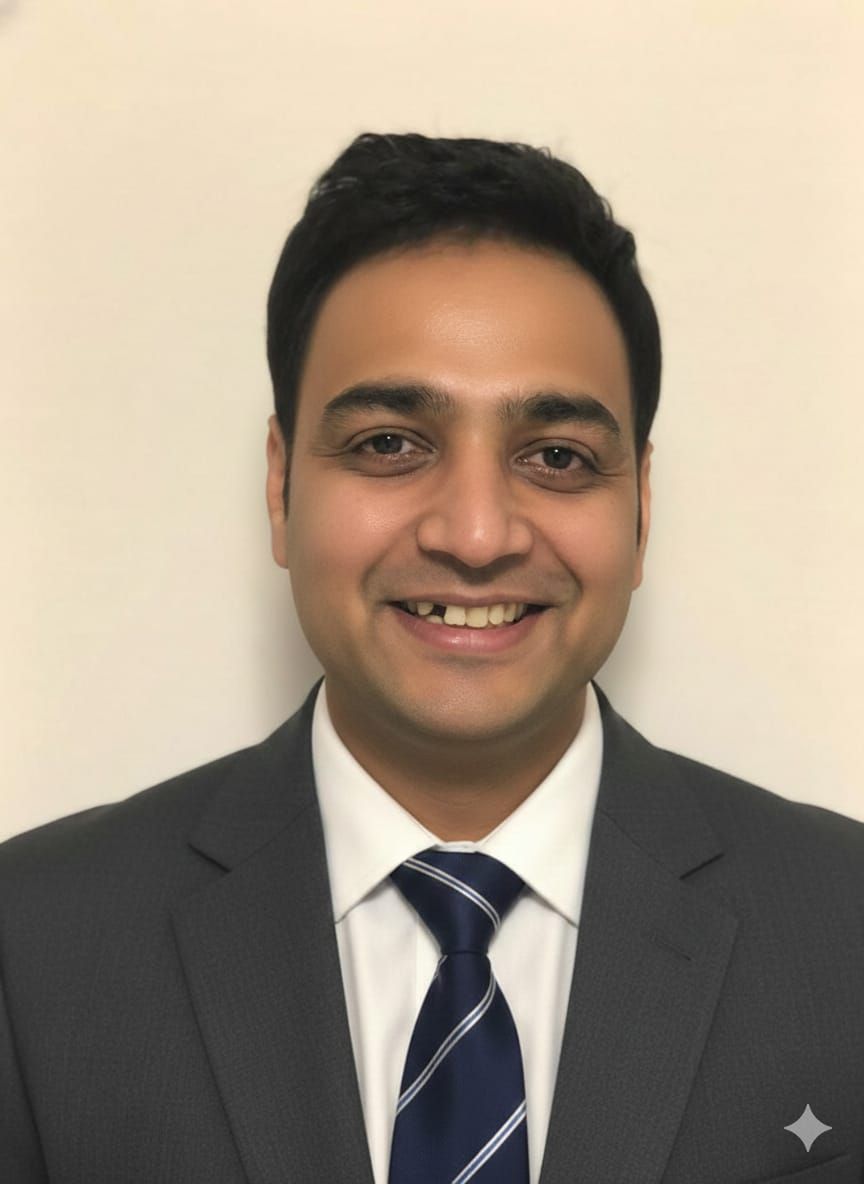
About Dr. Nishant Mittal
Dr. Nishant Mittal is a highly accomplished researcher with over 13 years of experience in the fields of cardiovascular biology and cancer research. Significant contributions to stem cell biology, developmental biology, and innovative research techniques mark his career. Research Highlights Dr. Mittal's research has focused on several key areas: 1) Cardio…
✓ Reviewed for medical accuracy by the CancerFax review panel.
Medical Disclaimer
This article is for educational purposes only and should not replace medical advice, diagnosis, or treatment from a qualified oncology specialist. Every patient's case is different. Treatment decisions should always be made after a review of complete medical records by the treating medical team.
Treatment availability, eligibility, timelines, and access can change. Any clinical trial participation depends on detailed review and approval by the trial hospital or investigator.