
A New Drug May Double Survival in Pancreatic Cancer: What Patients Need to Know
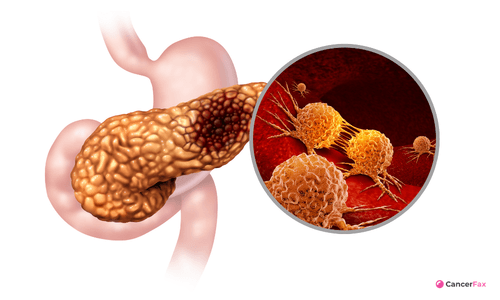
Pancreatic cancer has long been one of the most difficult cancers to treat. It is often diagnosed late, spreads quickly, and responds poorly to most available therapies. For decades, patients with metastatic pancreatic cancer who had already received one line of treatment had very few options left, and the ones available offered limited benefit with significant side effects.
That picture may be changing.
In June 2026, results from a landmark clinical trial called RASolute 302 were presented at the American Society of Clinical Oncology (ASCO) Annual Meeting in Chicago and simultaneously published in the New England Journal of Medicine. The trial tested a new oral drug called daraxonrasib in patients with previously treated metastatic pancreatic cancer. The results drew a standing ovation at ASCO, one of the most prestigious gatherings in global oncology.
The data showed that daraxonrasib nearly doubled survival in this patient population compared to standard chemotherapy, a result that oncologists are calling genuinely transformative.
What Is Daraxonrasib?
Daraxonrasib is a new type of targeted therapy developed by Revolution Medicines. It belongs to a class of drugs called RAS(ON) multi-selective inhibitors. In plain terms, it is designed to block a faulty molecular switch called RAS that drives the growth of many cancers, including the vast majority of pancreatic cancers.
RAS mutations, particularly KRAS mutations, are found in more than 90 percent of pancreatic cancers. For many years, RAS was considered an undruggable target, meaning scientists could not find a way to block it effectively. The development of drugs like daraxonrasib represents a major breakthrough in this area.
Unlike older RAS-targeted drugs that work only against specific mutation types, daraxonrasib is designed to work across multiple RAS variants, including the G12, G13, and Q61 mutations, as well as wild-type RAS. This broader activity is why it is called multi-selective.
Importantly, daraxonrasib is taken by mouth once daily, which makes it more convenient than the intravenous chemotherapy it was compared against in the trial.
The RASolute 302 Trial: What the Data Showed
The phase 3 RASolute 302 trial was a global, randomized study that enrolled 500 patients with metastatic pancreatic ductal adenocarcinoma who had previously received treatment. Patients were assigned to receive either daraxonrasib once daily or one of four standard chemotherapy regimens chosen by their doctor.
The results were striking.
Patients who received daraxonrasib had a median overall survival of 13.2 months, compared to 6.7 months for patients who received chemotherapy. This represents a hazard ratio of 0.40, meaning the risk of death was reduced by 60 percent in the daraxonrasib group.
Progression-free survival was also nearly doubled. The safety profile was generally manageable, and the rate of patients stopping treatment due to side effects was notably low compared to chemotherapy.
The trial included roughly equal numbers of men and women, with a median patient age of 66. The majority of participants had tumors with a RAS G12 variant, which is the most common mutation type seen in pancreatic cancer.
Lead investigator Dr. Brian Wolpin of Dana-Farber Cancer Institute at Harvard Medical School described the results as a clear and highly meaningful step forward for patients with pancreatic cancer who have progressed on prior treatment.
Revolution Medicines has stated that these data will be submitted to the U.S. Food and Drug Administration (FDA) as part of a future new drug application. FDA approval has not yet been granted, and the drug is not yet commercially available.
Why This Matters So Much
Pancreatic cancer remains one of the most serious cancers in the world. More than half of patients are diagnosed only after the disease has already spread to other organs. For metastatic pancreatic cancer, the five-year survival rate is approximately three percent.
Current second-line chemotherapy options offer modest benefit and can cause significant toxicity. Most patients experience disease progression within a few months. For this reason, the oncology community has been searching for a fundamentally different treatment approach for many years.
The RASolute 302 results represent the first time a targeted therapy has shown this level of survival benefit in previously treated metastatic pancreatic cancer in a large randomised phase 3 trial. Researchers and oncologists at ASCO 2026 are already describing this as the beginning of a new era for this disease.
There is also considerable excitement about what this drug might achieve in the first-line setting. Clinical trials testing daraxonrasib alongside chemotherapy as an initial treatment for pancreatic cancer are already underway.
Who May Be Eligible for This Treatment
At this stage, daraxonrasib is investigational and has not yet been approved by the FDA or any other regulatory body. It was tested in patients with metastatic pancreatic ductal adenocarcinoma who had previously received at least one line of systemic treatment.
Patients in the trial were required to have a good performance status, meaning they were able to carry out most of their daily activities. Most had tumours with a RAS G12 mutation.
Once the drug receives regulatory approval, eligibility will depend on:
- Confirmed diagnosis of metastatic pancreatic ductal adenocarcinoma
- Prior systemic treatment history
- RAS mutation status, as determined by molecular testing
- Performance status and organ function
- Oncologist assessment and treatment plan
Because the FDA submission is pending, patients who are interested in accessing daraxonrasib at this stage may want to explore whether any active clinical trials are available in their country or region, as the drug continues to be studied in multiple settings.
What Tests Might Be Relevant for Pancreatic Cancer Patients
Given that the majority of pancreatic cancers carry RAS mutations, molecular profiling is increasingly important for treatment planning.
Patients with pancreatic cancer may benefit from:
- NGS (Next Generation Sequencing): To identify KRAS, NRAS, and other relevant mutations
- Germline testing: To check for hereditary gene mutations such as BRCA1, BRCA2, PALB2, or ATM, which can affect eligibility for certain therapies
- PD-L1 and MSI testing: For patients who may be eligible for immunotherapy
- Liquid biopsy: For monitoring disease and detecting resistance mutations
A comprehensive molecular profile helps oncologists understand which treatment pathways may be most relevant for an individual patient.
The Broader Picture at ASCO 2026
The daraxonrasib results were the most prominent story at ASCO 2026, but the meeting delivered several other important updates across multiple cancer types.
In breast cancer, updated data from the DESTINY-Breast09 trial reinforced the role of trastuzumab deruxtecan, an antibody-drug conjugate, as a potential first-line treatment for HER2-positive metastatic disease. The ASCENT-03 and ASCENT-04 trials showed that sacituzumab govitecan is still effective in patients with different Trop-2 expression levels and HER2 subgroups. Vepdegestrant, the first PROTAC therapy approved for breast cancer, received FDA approval in May 2026 for ESR1-mutated ER-positive HER2-negative advanced breast cancer.
In endometrial cancer, updated overall survival data from the NRG-GY018 trial confirmed that adding pembrolizumab to carboplatin and paclitaxel improves survival in both mismatch repair-deficient and mismatch repair-proficient disease, with nearly four years of follow-up.
In lung cancer, emerging data on zongertinib in HER2-mutated non-small cell lung cancer showed promising response rates and meaningful improvements in patient-reported quality of life.
The broader theme across ASCO 2026 was clear: precision medicine has moved from an aspirational concept to the practical foundation of oncology. Molecular profiling, biomarker testing, and biology-driven treatment selection are no longer optional; they are central to how good cancer care is delivered.
What This Means for Patients Outside the United States
Patients in India, South Asia, Southeast Asia, the Middle East, and other regions may face challenges in accessing newly approved or investigational cancer therapies. Regulatory timelines vary by country. A drug approved by the FDA may take months or years to receive approval from other regulatory bodies such as CDSCO in India or EMA in Europe.
For patients with pancreatic cancer who are seeking the most current information about treatment options, clinical trial eligibility, and advanced care pathways, international cancer navigation can play an important role.
Second opinions from centers with active research programs in pancreatic cancer may also help patients understand whether emerging therapies are relevant to their specific diagnosis and mutation profile.
How CancerFax Can Help
CancerFax helps patients and families navigate complex oncology decisions. For patients with pancreatic cancer, this may include:
- Reviewing medical reports and helping identify whether molecular profiling has been completed
- Exploring whether active clinical trials for drugs like daraxonrasib may be relevant based on diagnosis, stage, and mutation status
- Connecting patients with oncology specialists who have expertise in pancreatic cancer and RAS-targeted therapy
- Exploring advanced treatment options available through international cancer centres, including those in China with active clinical trial programmes in gastrointestinal oncology
- Helping coordinate case reviews, hospital communication, documentation, translation, and second opinions
Treatment suitability depends on a complete medical review. CancerFax does not provide direct medical treatment but works to help patients access specialist guidance and explore available pathways.